Decentralized Social Media: What It Is, Why It Matters, and Where to Find Real Projects
When you post on Facebook, Instagram, or Twitter, you’re not the customer—you’re the product. Your attention, your data, your connections: all sold to advertisers. Decentralized social media, a network of platforms built on blockchain technology where users control their data and content without corporate middlemen. Also known as Web3 social networks, it flips the script: no ads, no shadow bans, no algorithms deciding what you see. Instead of one company owning your profile, your identity lives on a public ledger you control. That’s the promise. And yes, it’s already here—just not where most people are looking.
Real decentralized social media, a network of platforms built on blockchain technology where users control their data and content without corporate middlemen. Also known as Web3 social networks, it flips the script: no ads, no shadow bans, no algorithms deciding what you see. doesn’t rely on centralized servers. It uses blockchain to store posts, comments, and even likes as immutable records. Your profile is tied to a crypto wallet, not an email. That means you can move your audience from one app to another without losing followers. Platforms like Lens Protocol and Farcaster are leading this shift, letting users own their social graphs. But here’s the catch: most projects claiming to be decentralized are just rebranded apps with a token. True decentralization means no CEO can delete your post. No board can sell your data. And no ad buyer can influence your feed.
That’s why you’ll find posts here about fake airdrops, dead tokens, and platforms that vanished overnight. Decentralized identity, a system where users control their own digital credentials without relying on centralized authorities like Google or Facebook. Also known as self-sovereign identity, it’s the backbone of any real Web3 social platform. If a project asks for your private key to join a "social airdrop," it’s a scam. If it promises free tokens just for signing up, it’s probably a ghost. Real decentralized social networks reward participation with tokens that have actual use—like tipping creators, voting on features, or earning access to exclusive spaces. But those tokens only matter if the platform is alive, active, and built for people—not investors.
What you’ll find in these posts aren’t hype cycles. They’re after-the-fact breakdowns: which projects actually delivered, which ones collapsed, and which ones are still trying to build something real. You’ll see how Manna tried to give everyone free crypto but ended up with zero trading volume. You’ll see how BULL Finance and Swaperry never had airdrops at all—just scam websites copying their names. You’ll learn why validator nodes matter for blockchain networks, and why a platform with no users is just a digital ghost. This isn’t about chasing the next big token. It’s about understanding what makes a decentralized social network last—and what makes it die.
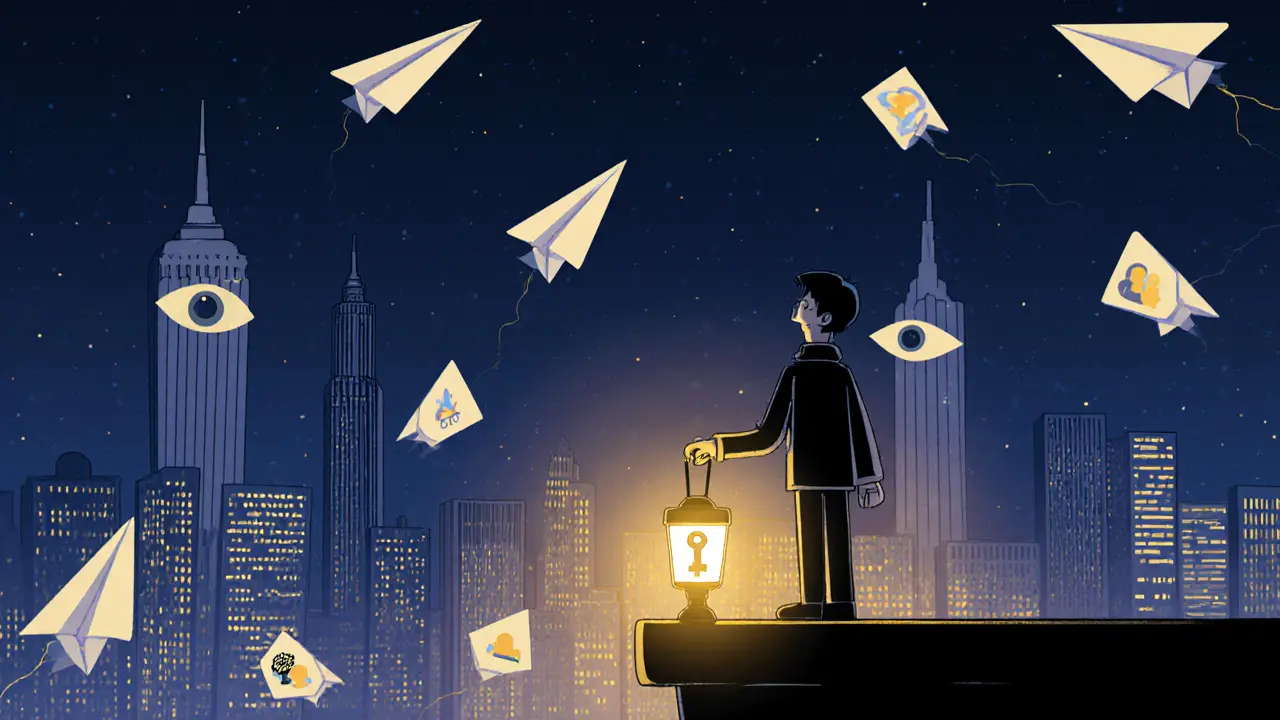
User Data Control on Blockchain Social Networks: Take Back Your Digital Identity
Caius Merrow Nov, 13 2025 0Blockchain social networks let you own your data instead of corporations. Learn how they work, their real pros and cons, and whether switching is worth it in 2025.
More Detail