Smart Contracts: Powering DeFi, NFTs, and Automated Agreements
When working with Smart Contracts, self‑executing code that lives on a blockchain and enforces agreement terms without a middle‑man. Also known as self‑executing contracts, they enable trustless transactions across many industries, you instantly see why they are the backbone of modern crypto projects. They run on Blockchain, a distributed ledger that guarantees immutability and transparency. Because the code is immutable once deployed, developers can build Decentralized Applications (dApps), which let users interact directly with the contract logic without a central server. And when you hear about NFT Tickets, remember they are just another flavor of smart contract‑driven token that proves ownership and prevents fraud.
Why Smart Contracts Matter for Everyday Crypto Users
First off, smart contracts cut out the middleman. Instead of trusting a company to honor a promise, the contract itself does the work—once the conditions are met, the outcome is automatic. This speeds up everything from token swaps on a decentralized exchange to claiming an airdrop. Second, they bring programmability to money. You can set up escrow, recurring payments, or even complex financial derivatives, all encoded in a few lines of Solidity or Rust. Third, they make new business models possible. Think of NFT tickets that let event organizers sell and verify entry without printing paper or worrying about scalpers. Or token creation platforms that let anyone launch a new coin with a single click, leveraging a pre‑built smart contract template.
But smart contracts aren’t a magic bullet. They need solid security practices because once a bug lands on chain, it’s there forever. That’s why many of the articles below dive deep into seed‑phrase safety, genesis block setup, and priority fee strategies—topics that directly affect how smart contracts are deployed and used. You’ll also find reviews of exchanges like MintMe and SundaeSwap that show how contract‑based trading differs from traditional order‑book models. And if you’re curious about real‑world examples, the guide on NFT tickets walks you through the exact contract functions that verify ownership and trigger entry scans at events.
All this means the collection you’re about to explore isn’t just random crypto news; it’s a curated set of resources that show smart contracts in action—from creating new tokens and launching airdrops to securing your wallet and understanding fee mechanics. Whether you’re a developer looking to write your first contract, an investor hunting the next DeFi opportunity, or a fan wanting to buy an NFT ticket, the posts below give you concrete steps, real‑world data, and practical tips you can apply right away.
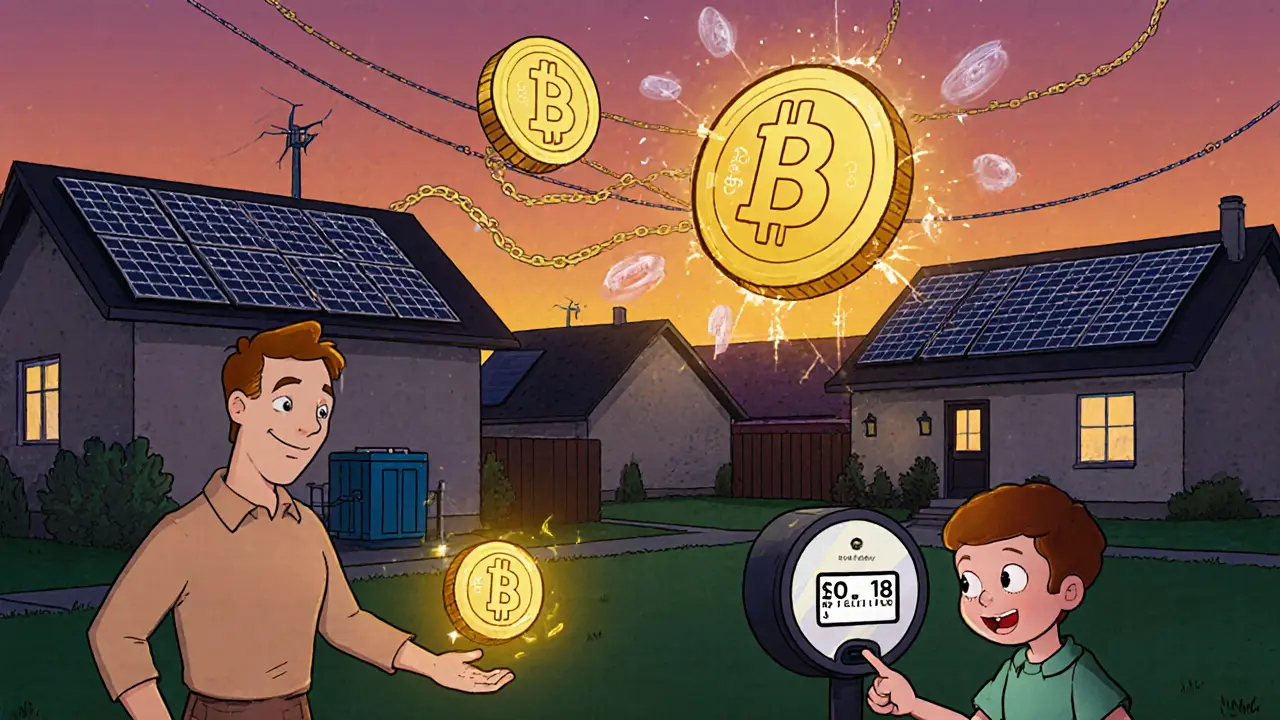
How Microgrids and Blockchain Technology Are Reshaping Local Energy Markets
Caius Merrow Nov, 3 2025 0Microgrids powered by blockchain enable peer-to-peer energy trading, automate payments with smart contracts, and make renewable energy more transparent and profitable for communities. This is the future of local power.
More Detail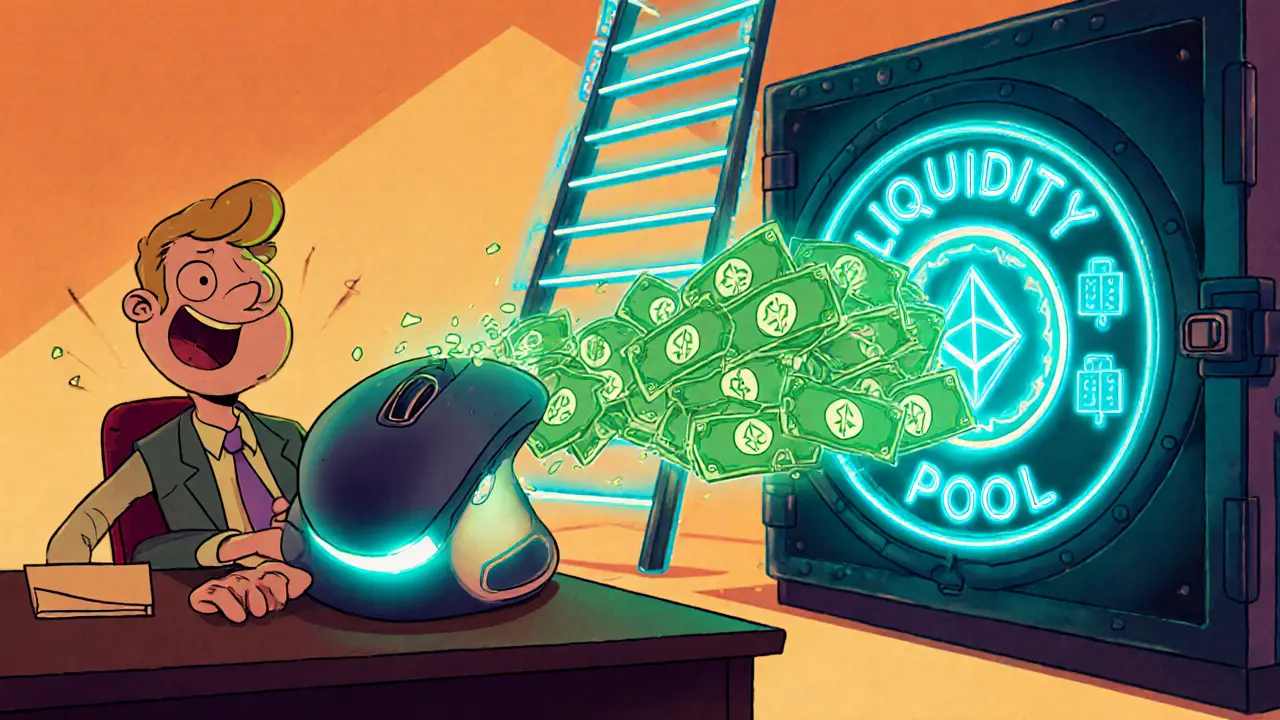
Flash Loans Explained: How They Work Without Collateral
Caius Merrow Oct, 19 2025 19Learn how flash loans let you borrow huge crypto sums without collateral, the atomic transaction trick behind them, real use cases, risks, and how to build your own contract.
More Detail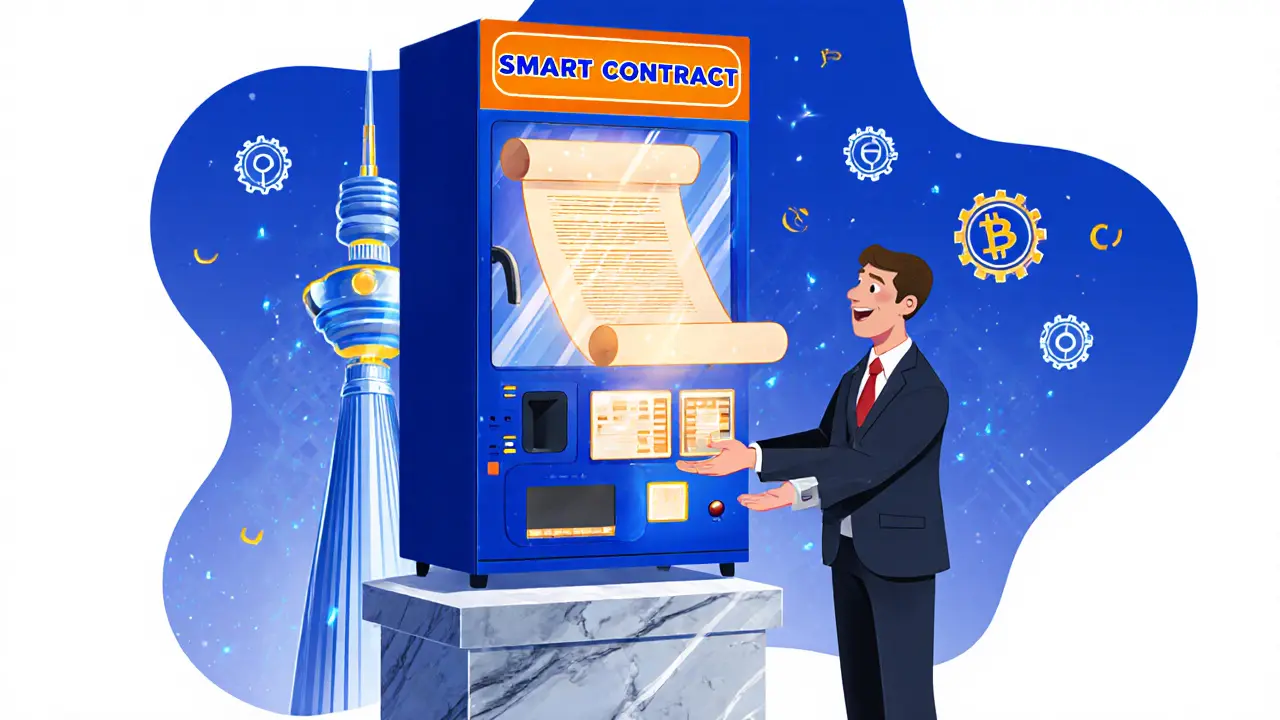
Smart Contracts in Financial Agreements: Benefits, Risks & Implementation Guide
Caius Merrow Jul, 18 2025 0Learn how smart contracts transform financial agreements, their benefits, risks, implementation steps, real‑world examples, and future trends in fintech.
More Detail
AI Blockchain Integration: How AI and Blockchain Combine for Secure, Automated Systems
Caius Merrow Apr, 4 2025 7Explore how artificial intelligence and blockchain combine to create secure, automated systems, covering architecture, benefits, real‑world uses, challenges, and future trends.
More Detail