Crypto Compliance: Rules, Taxes & Safety for Digital Assets
When dealing with Crypto Compliance, the set of rules and practices that keep cryptocurrency activities legal and secure. Also known as digital asset compliance, it guides everything from wallet handling to exchange listings.
Understanding Cryptocurrency Tax, how governments tax gains, airdrops and staking rewards is a core part of compliance. At the same time, AML (Anti‑Money‑Laundering), the processes that prevent illicit funds from entering the crypto ecosystem protects traders and platforms from criminal scrutiny. Both of these sit inside a broader Regulatory Framework, the collection of laws, licensing rules and oversight bodies that shape crypto markets worldwide. In practice, crypto compliance requires AML checks, tax reporting, and adherence to the regulatory framework, while the framework influences how tax rules are applied to digital assets.
Why This Matters Right Now
Recent moves in Taiwan, Japan, China, Colombia and Nigeria show how fast rules can shift. A Taiwan crypto tax guide explains new VAT and income‑tax obligations, while Japan’s consumer‑protection rules tighten exchange registration. China’s outright ban, Colombia’s banking restrictions, and Nigeria’s pressure on the naira all illustrate the global reach of crypto compliance. Whether you’re a casual holder, an airdrop hunter, or a developer launching a token, you’ll need to align with local tax codes, satisfy AML screening, and track the ever‑changing regulatory landscape.
The articles below dive deep into each of these angles. You’ll find step‑by‑step tax guides for specific countries, practical AML checklists for exchanges, and analyses of major regulatory shifts. Use them to build a compliance checklist that works for you, no matter where you trade or what projects you support.
Ready to see the full collection? Below you’ll discover practical guides, country‑specific tax rules, exchange reviews, and airdrop safety tips—all curated to help you stay compliant in the fast‑moving crypto world.
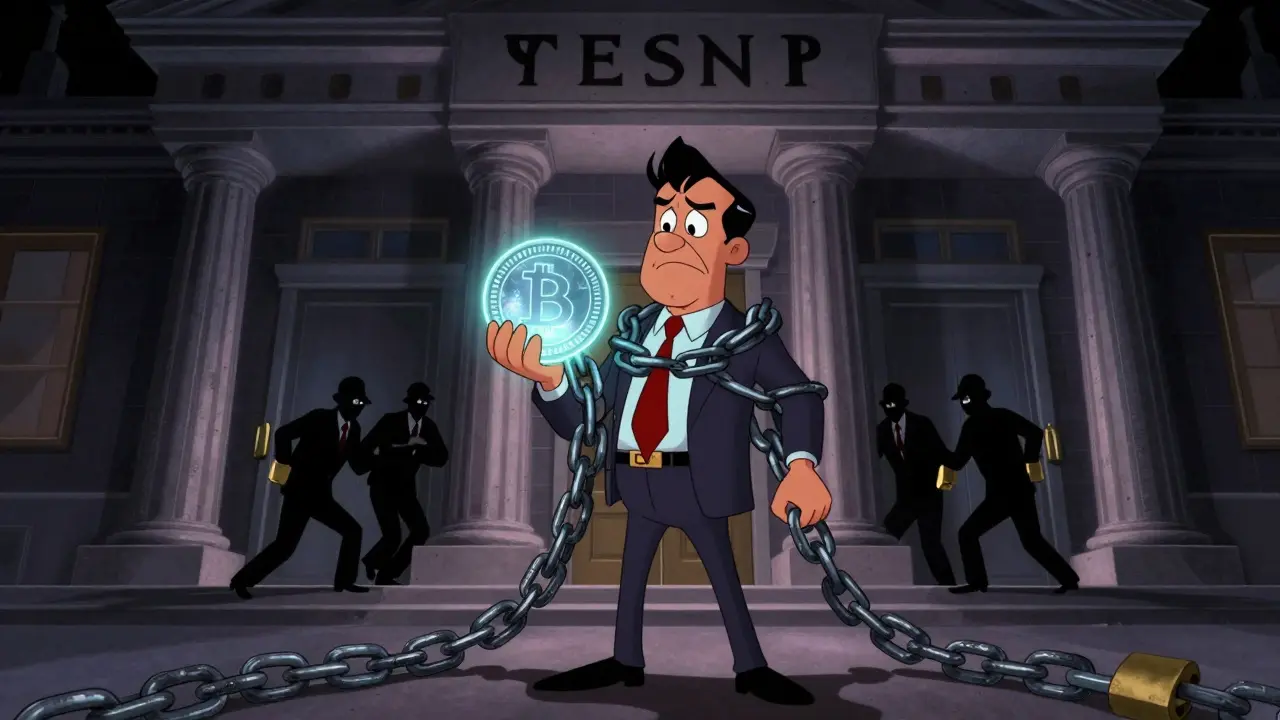
Why Banks Freeze Crypto Accounts in 2026: A Guide to Avoiding Lockouts
Caius Merrow May, 18 2026 0Discover why banks freeze crypto accounts in 2026 due to new AML rules and the GENIUS Act. Learn how to protect your funds and avoid lockouts.
More Detail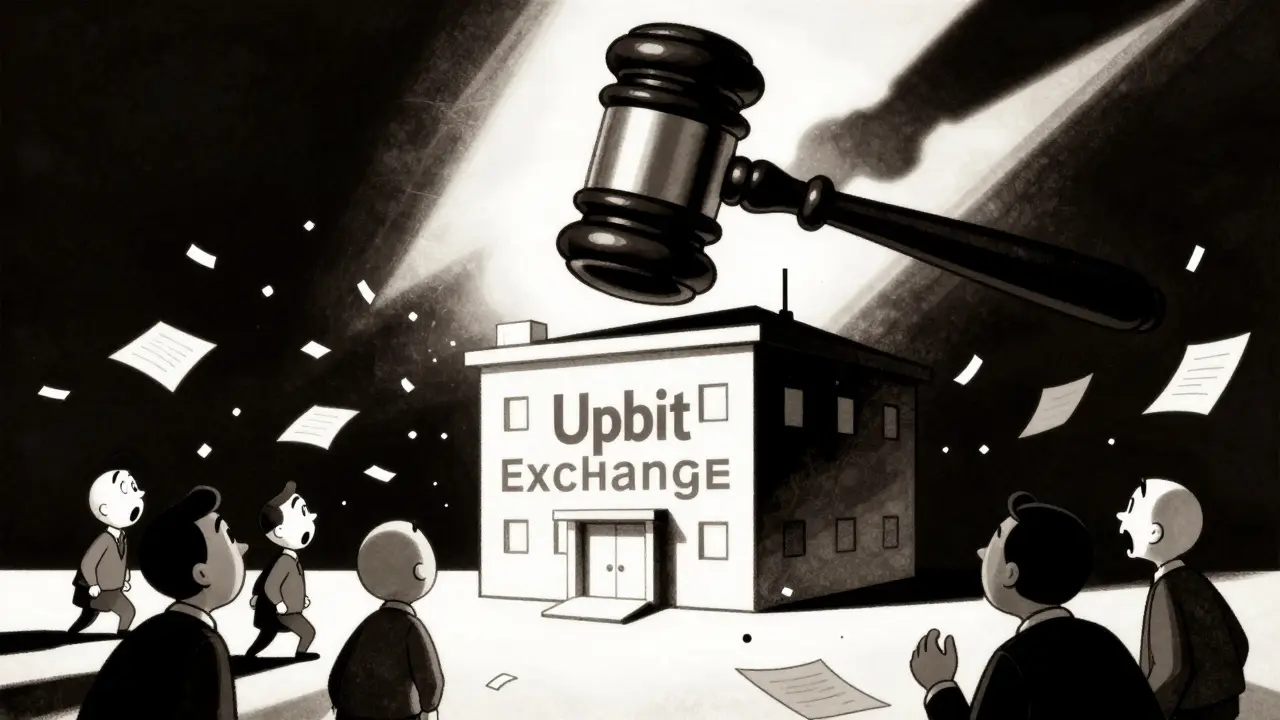
Upbit KYC Violations: What the 500,000 Crypto Compliance Cases Mean for Traders
Caius Merrow May, 10 2026 0Upbit faces 500,000+ KYC violations in a historic South Korean crackdown. Learn how these compliance failures impact traders, potential penalties, and what it means for the future of crypto regulation.
More Detail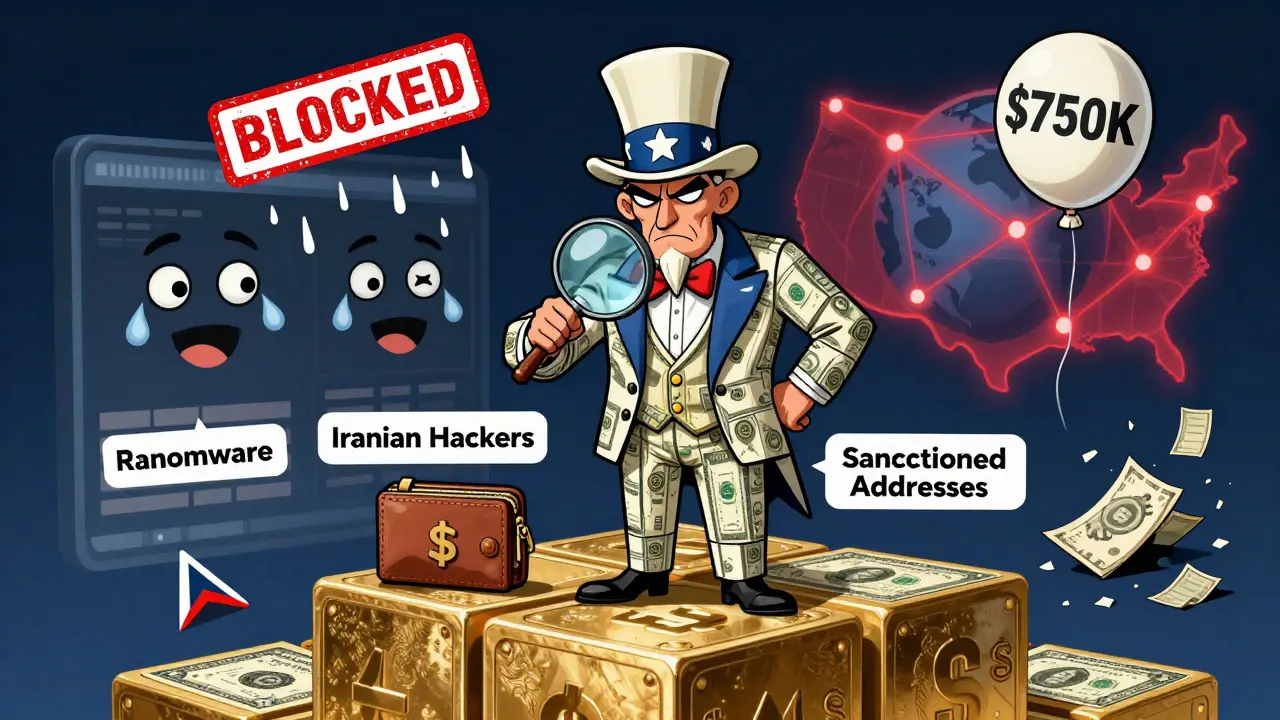
OFAC Cryptocurrency Sanctions and Compliance: What Crypto Businesses Must Do in 2026
Caius Merrow Jan, 22 2026 0OFAC cryptocurrency sanctions apply to any crypto business serving U.S. users. Learn what compliance requires in 2026, how to screen wallets, avoid fines, and implement real-world controls under strict liability rules.
More Detail
Persona KYC Review: Is It the Right Crypto Exchange Verification Solution?
Caius Merrow Sep, 23 2025 16A detailed review of Persona's KYC platform for crypto exchanges, covering features, pricing, competition, real‑world case studies, and when it makes sense to use.
More Detail
When to Consult Legal Counsel for Crypto Tax and Compliance
Caius Merrow Sep, 7 2025 18Know when to hire a crypto tax lawyer before the IRS audits you. Understand the legal risks of unreported crypto gains, mining, staking, and ICOs-and how professional advice can save you from penalties or worse.
More Detail