Solana Validator
When you hear about Solana validator, a node that verifies transactions and helps secure the Solana blockchain by staking SOL tokens. It's not just a technical term—it's the engine behind Solana’s speed and low fees. Without validators, the network wouldn’t process transactions, and your trades, NFTs, or DeFi swaps wouldn’t go through. These nodes are the reason Solana can handle tens of thousands of transactions per second, unlike older blockchains that struggle with just a few dozen.
Running a Solana validator isn’t like mining Bitcoin. You don’t need massive power-hungry rigs. Instead, you stake SOL tokens and run software on a decent server. The more SOL you stake, the more likely you are to be chosen to validate the next batch of transactions—and earn rewards in return. But it’s not just about staking. You need reliable hardware, good internet, and constant uptime. If your validator goes offline too often, you get penalized. It’s a job that demands attention, not just coins.
Validators aren’t alone in this system. They work alongside validator nodes, the backbone of Proof of Stake networks that replace miners with stakers to secure the chain. Solana’s version is called Tower BFT, a custom consensus mechanism that lets validators vote on block validity in near real-time. This is why Solana feels so fast—it doesn’t wait for slow confirmations. The system also relies on Proof of Stake, a consensus method where network security is tied to how much crypto you lock up. The more SOL locked in validators, the harder it is for bad actors to attack the network.
Some people run validators just to earn passive income. Others do it to support decentralization—because if only a few big players control the validators, the network becomes centralized again. That’s why Solana encourages smaller operators, even offering tools and guides to help newcomers get started. But don’t be fooled: it’s not a get-rich-quick scheme. You need to understand stakes, commissions, and network health. A bad validator setup can cost you more than it earns.
Behind every fast Solana transaction, there’s a validator doing the work. And when you stake your SOL, you’re indirectly supporting one. Whether you’re running your own node or delegating to someone else, you’re part of the chain. That’s the real power of Solana—it turns everyday users into guardians of the network.
Below, you’ll find real reviews, breakdowns, and warnings about what actually happens when you get involved with Solana validators—whether you’re staking, running a node, or just trying to avoid scams pretending to be one.
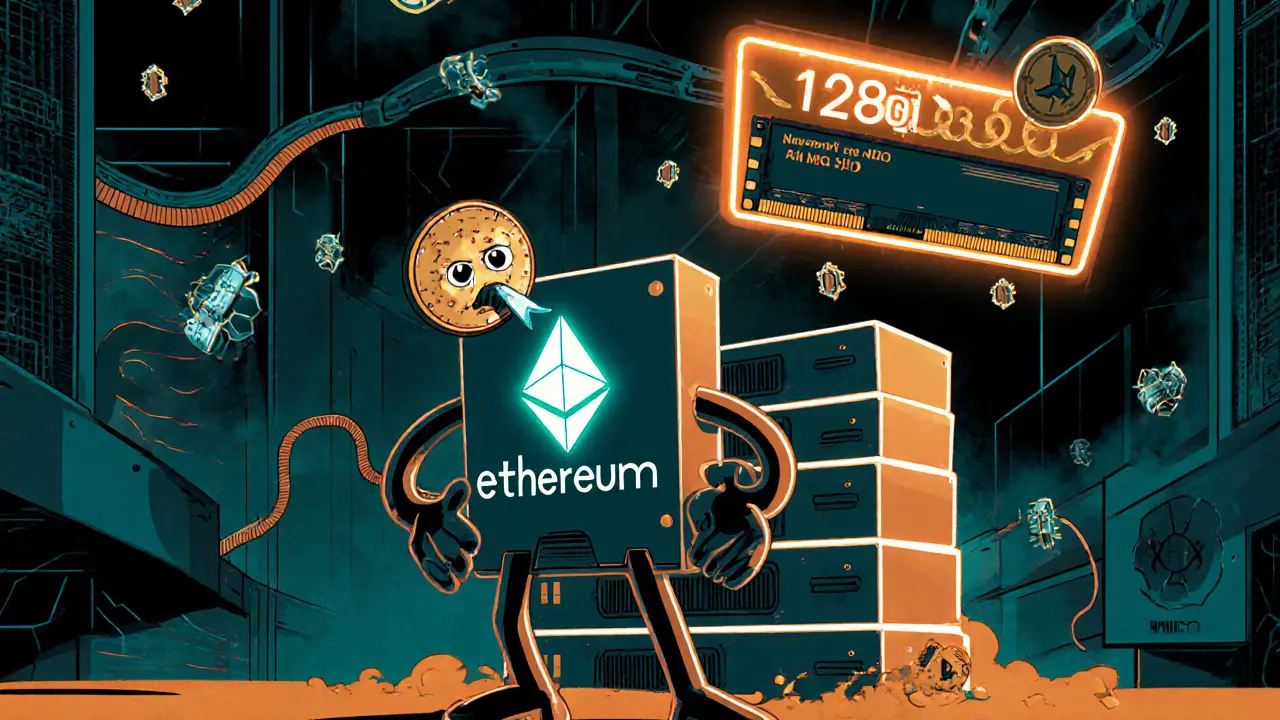
Validator Node Hardware Specifications for Major Blockchains in 2025
Caius Merrow Nov, 28 2025 0Learn the exact hardware specs needed to run validator nodes on Ethereum, Solana, NEAR, Polkadot, Sui, and Aptos in 2025. Avoid slashing penalties with the right CPU, RAM, storage, and network setup.
More Detail