Creating and Trading Metaverse Assets: A Practical Guide for Beginners
Jan, 30 2026
Creating and trading metaverse assets isn’t science fiction anymore-it’s a real economy with real money moving through digital land, avatars, and wearables. But here’s the catch: most people who jump in lose money. Not because the tech doesn’t work, but because they don’t understand how the system actually functions. If you’re looking to build something valuable in the metaverse-or flip an NFT for profit-you need to know what’s real, what’s hype, and where the money actually flows.
What Exactly Are Metaverse Assets?
Metaverse assets are digital items that exist inside virtual worlds and are owned through blockchain technology. These aren’t just images or models you download-they’re unique, verifiable, and transferable. Think of them like digital real estate, clothing for your avatar, or even interactive games you can sell to others.The most common types include:
- Virtual land (LAND): Plots in platforms like Decentraland or The Sandbox. Each is a unique NFT.
- Wearables: Clothes, shoes, accessories for avatars. These are the most traded items.
- Art and collectibles: Digital paintings, sculptures, or rare items with limited supply.
- Interactive objects: Doors, signs, games, or music players you can place in virtual spaces.
These assets are built using blockchain standards like ERC-721 and ERC-1155 on Ethereum. That means every item has a public record of who owns it, when it was created, and how many copies exist. No one can fake it. No one can delete it. And if you own it, you can sell it anytime.
How to Create Metaverse Assets
Creating your own asset sounds complicated, but you don’t need to be a programmer to start. The tools have gotten way simpler since 2021.For beginners, here’s what you actually need:
- Choose your platform: Decentraland and The Sandbox are the two biggest. Each has its own rules.
- Use free tools: Blender (for 3D models), VoxEdit (for voxel art in The Sandbox), or Decentraland Builder (browser-based, no install needed).
- Follow technical specs: Decentraland requires GLB files under 20MB. The Sandbox uses VXM format with max 32x32x32 voxel sizes. Get this wrong, and your asset won’t load.
- Mint it: Upload your file to the platform’s marketplace. You’ll pay a gas fee to record it on the blockchain.
Gas fees are the biggest surprise for newcomers. On Ethereum, minting a single wearable can cost $50-$200 during busy times. That’s why many creators now use Polygon, where fees are under $0.01. The trade-off? Less visibility. Ethereum still handles 80% of all NFT trading volume, so your asset will get seen more there.
Real example: A creator named Hiroto Kai started making fashion wearables in Decentraland. He spent 3 months learning Blender, tested 12 designs, and launched a collection of 50 items priced between $20 and $500. By 2023, he was making over $50,000 a month. He didn’t use fancy software-he used free tools and studied what people actually bought.
Where to Sell Metaverse Assets
You can’t just upload an asset and wait for buyers. You need to list it where people are shopping.Here’s the current marketplace landscape:
| Platform | Transaction Fee | Blockchain | Best For |
|---|---|---|---|
| OpenSea | 2.5% | Ethereum, Polygon | General NFTs, high volume |
| Decentraland Marketplace | 2-5% + gas | Ethereum | LAND and wearables |
| The Sandbox Marketplace | 2-5% + gas | Ethereum, Polygon | VoxEdit assets, gaming items |
| LooksRare | 2% | Ethereum | Collectors, lower fees |
OpenSea is still the biggest. But if you’re selling LAND in Decentraland, use their own marketplace. Buyers there know what they’re looking for. Selling a Decentraland plot on OpenSea? You’ll get fewer bids and slower sales.
Also, don’t ignore community platforms. Discord servers for Decentraland and The Sandbox have dedicated #for-sale channels. Many deals happen there before hitting the official marketplaces. Join them. Watch what sells. Learn the language.
What Sells-and What Doesn’t
Not all metaverse assets are equal. Some go up in value. Most don’t.Based on 10,000 transaction records analyzed by Coin Bureau in 2023, only 15-20% of assets held or increased value after six months. Here’s what actually works:
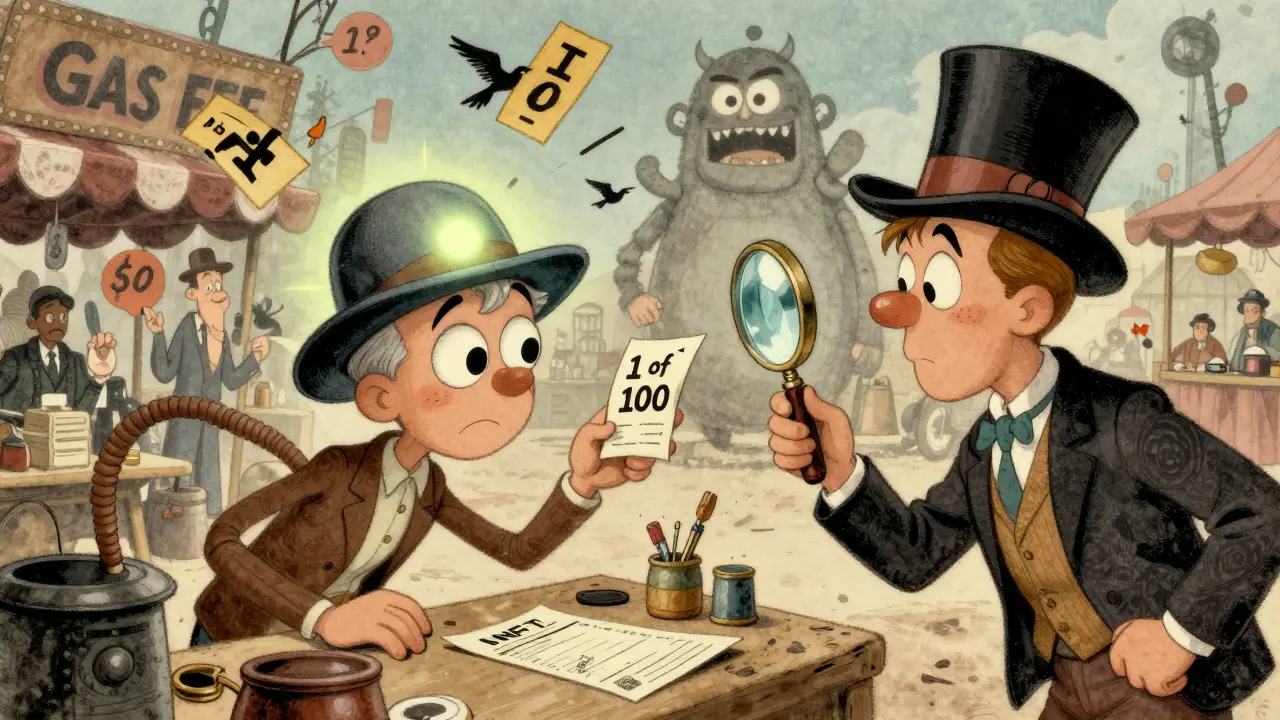
- Wearables with limited supply: Only 100 copies? People will pay more. One rare hat sold for $18,000 in Decentraland because it was tied to a famous influencer’s avatar.
- LAND near popular spots: In Decentraland, a plot next to the Fashion District sold for $15,000. One across town? $1,200.
- Interactive assets: A virtual music booth that plays songs when users click it? Sold 300 copies in two weeks.
What flops?
- Generic 3D trees and rocks
- Assets with no utility (just decoration)
- Items with 10,000+ copies
- Land in dead zones (no foot traffic)
Here’s the hard truth: scarcity matters more than beauty. A simple, well-limited item sells better than a stunning but common one.
Real Risks and Hidden Costs
People talk about making millions. But here’s what they don’t tell you:- Gas fees add up: One creator spent $800 on failed minting attempts before getting one asset accepted.
- Time investment is huge: Learning Blender + platform rules + marketing takes 100+ hours for most people.
- Platforms can change rules: Decentraland updated its asset size limits in 2023, making thousands of older items incompatible.
- Regulation is coming: The SEC has hinted that some NFTs could be classified as securities. That could shut down trading overnight.
And then there’s the user base. Gartner predicted 90% of metaverse platforms will fail in five years. Right now, only 200,000-400,000 people actively use these platforms daily. That’s less than 0.01% of internet users. If you’re building for a crowd that doesn’t exist yet, you’re betting on a fantasy.
Big brands like Nike and Gucci are still spending millions. Why? They’re not trying to make money from sales-they’re building brand awareness for when the market grows. You? You’re trying to sell a hat. That’s a different game.
How to Start Smart
You don’t need $10,000 to start. You don’t need a degree in coding. But you do need a plan.Here’s a realistic roadmap:
- Start small: Make one wearable. Use Blender (free) and upload it to The Sandbox’s marketplace using Polygon (low fees).
- Price it low: $10-$20. Don’t expect to get rich on your first try.
- Test and learn: See who buys it. Why? What did they say in the comments?
- Build a collection: Create 5-10 related items. Make them feel like a set.
- Join Discord: Ask questions. Watch what sells. Don’t just post your stuff-engage.
- Reinvest profits: Use your first $50 to pay for better textures or a small ad on Twitter.
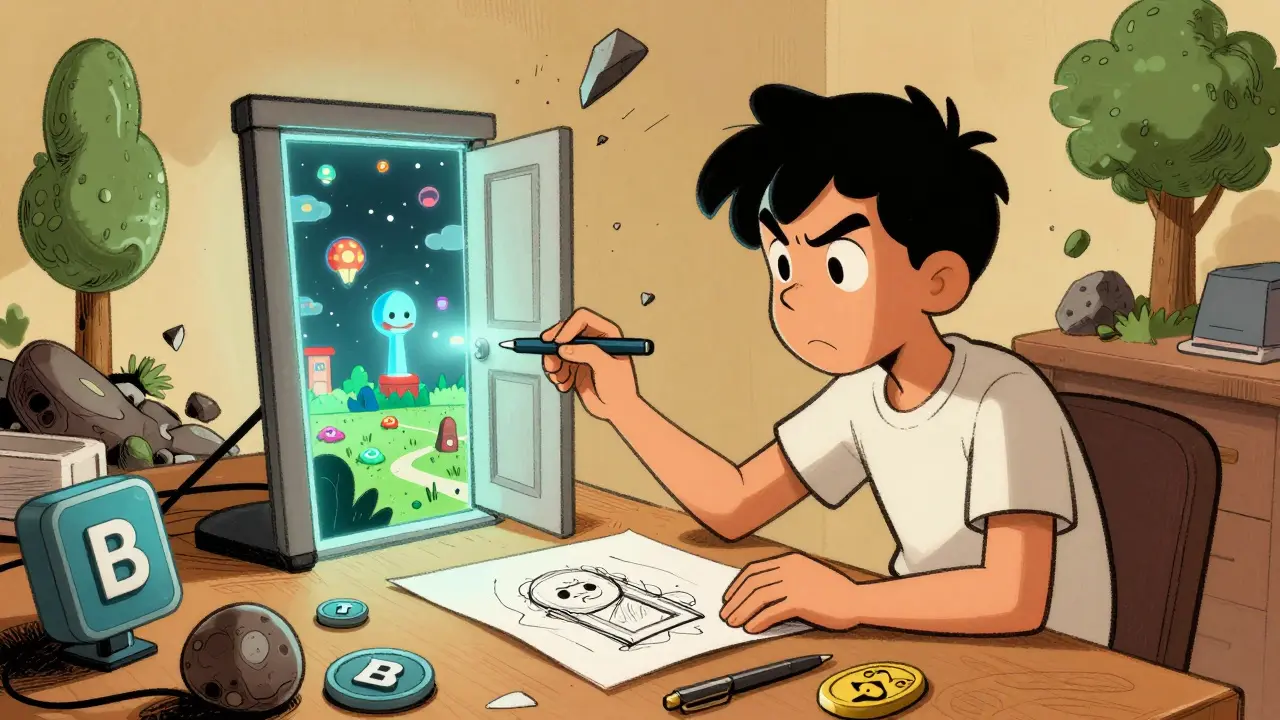
Successful creators don’t guess. They track. They test. They adapt. One Reddit user, u/MetaBuilder, made $180,000 building virtual spaces in Decentraland-but only after 8 months of trial and error. He didn’t start with LAND. He started with a single door.
The Bottom Line
Creating and trading metaverse assets is possible-but it’s not a get-rich-quick scheme. It’s a craft. Like photography or woodworking, it takes time, patience, and real skill.The market is still young. The tools are improving. The audience is small, but growing. If you’re willing to learn the rules, respect the costs, and treat it like a business-not a lottery-you can build something valuable.
But if you’re hoping to flip a pixelated hat for $10,000 tomorrow? You’re already behind.
Can I create metaverse assets without coding?
Yes. Platforms like Decentraland Builder and The Sandbox’s VoxEdit let you create assets using drag-and-drop tools. You don’t need to write smart contracts to make basic wearables or land parcels. But if you want interactive features-like a door that opens or a music player-you’ll need to learn Solidity or hire a developer.
Which blockchain is best for creating metaverse assets?
Ethereum has the biggest audience and highest resale value, but gas fees are expensive. Polygon is cheaper (under $0.01 per transaction) and is growing fast, especially among new creators. If you’re just starting, use Polygon to test your ideas. Once you have a proven asset, consider minting a limited edition on Ethereum for higher visibility.
How much money do I need to start?
You can start with under $100. Buy a small crypto wallet (like MetaMask), get $20 worth of MATIC (Polygon’s token), and use free tools like Blender or VoxEdit. Your first minting fee might be $0.10. The real cost is time-not money. Most people spend months learning before making their first sale.
Are metaverse assets a good investment?
Most aren’t. Only 15-20% of assets hold or increase value after six months. Virtual land in prime locations has the best chance, but even then, prices dropped 60-80% after the 2022 boom. Treat metaverse assets like collectibles-not stocks. Buy what you like, not what you think will spike. And never invest more than you can afford to lose.
Why did the metaverse market crash after 2022?
The boom was fueled by hype, not real usage. Many platforms had no users beyond speculators. Games like Axie Infinity collapsed when their token economies broke. Big companies like Meta lost billions and cut spending. The market corrected itself. Today, only platforms with actual engagement-like Decentraland’s Fashion Week or The Sandbox’s gaming events-still attract attention.
Can I make money from metaverse assets in 2026?
Yes-but only if you’re focused. The easy money is gone. Now, success comes from building real value: unique designs, strong communities, and assets that serve a purpose. Creators who treat this like a business-tracking sales, listening to feedback, and improving-are making steady income. Those still chasing viral flips are losing money.