How NFTs Work on Blockchain: A Plain-English Guide
Oct, 24 2026
You bought an NFT. Maybe it’s a pixelated ape, a piece of generative art, or a ticket to a concert. You paid real money for it, and now you own it. But what do you actually own? If you right-click and save the image, you have the same file everyone else has. So why is your version worth thousands while theirs is free?
The answer lies in the blockchain. It’s not about storing the picture; it’s about storing the proof that the picture is yours. This guide breaks down exactly how Non-Fungible Tokens (NFTs) work under the hood, stripping away the jargon so you can understand the tech, the costs, and the risks without needing a computer science degree.
The Core Concept: Fungible vs. Non-Fungible
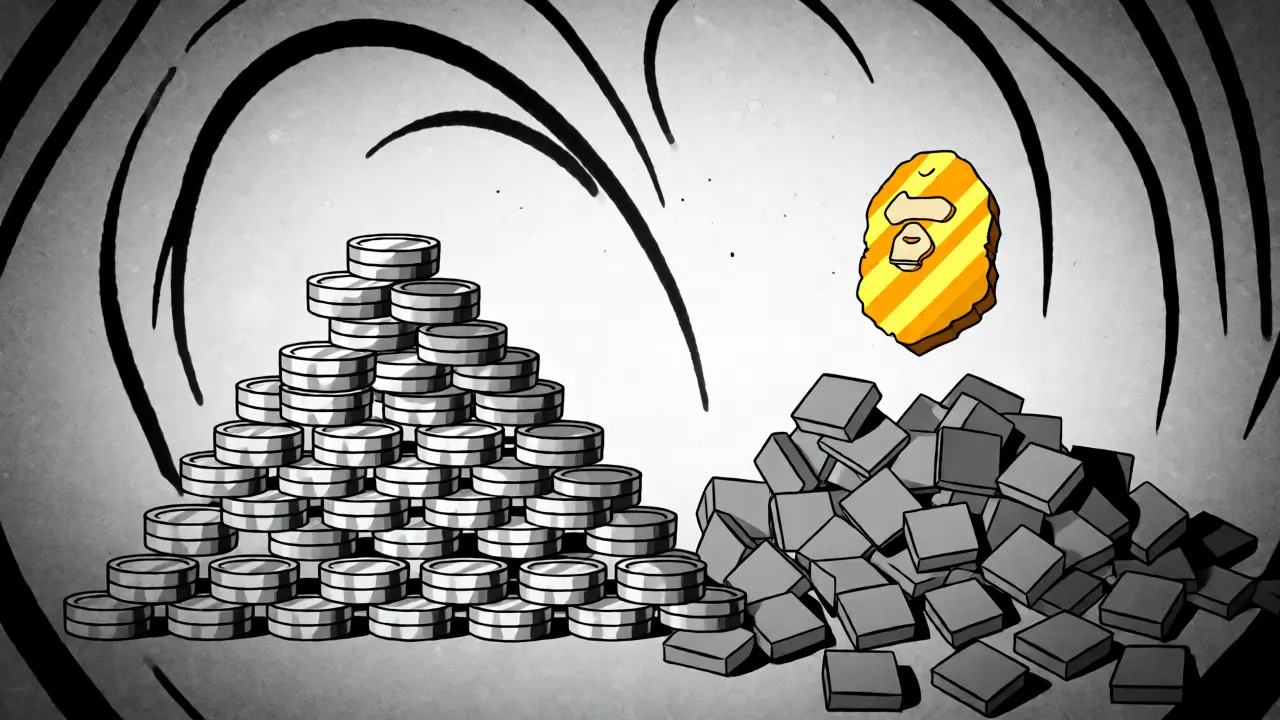
To get NFTs, you first need to understand fungibility. If I lend you one Bitcoin, and you pay me back with another Bitcoin, I don’t care which one it is. They are identical. That’s fungibility. One unit equals another.
NFTs are the opposite. Each token has a unique identification code that makes it distinct from every other token. Even if two NFTs look identical, their underlying data signatures are different. This uniqueness allows them to represent specific items-like a specific deed to a house or a specific edition of a song-rather than just generic value.
Non-Fungible Token (NFT) is a cryptographic asset on a blockchain with a unique identification code that distinguishes it from fungible tokens like cryptocurrencies. Unlike Bitcoin, where one unit is interchangeable with another, each NFT is distinct and cannot be exchanged on a one-to-one basis.
The Technical Backbone: Smart Contracts and Standards
An NFT isn’t just a file sitting on a server. It’s a program called a Smart Contract is a self-executing contract with the terms of the agreement directly written into lines of code. These contracts automatically enforce rules when conditions are met, such as transferring ownership or calculating royalties.. Think of it as a digital rulebook that lives on the blockchain.
Most NFTs follow specific standards to ensure they work together across different wallets and marketplaces. The most common is ERC-721 is a technical standard used for smart contracts on the Ethereum blockchain for implementing non-fungible tokens. Created in 2018, it defines a minimum interface developers must implement to allow interoperability between different NFT applications.. Before ERC-721, every project had its own custom code, making trading difficult. ERC-721 standardized this, allowing any compatible wallet to display and trade any ERC-721 NFT.
There’s also ERC-1155 is a multi-token standard developed by Enjin that allows a single contract to manage both fungible and non-fungible tokens. This reduces gas fees significantly because multiple assets can be transferred in a single transaction., which is more efficient for gaming and bulk transactions because it lets one contract handle many types of tokens at once.
Where Does the Art Actually Live?
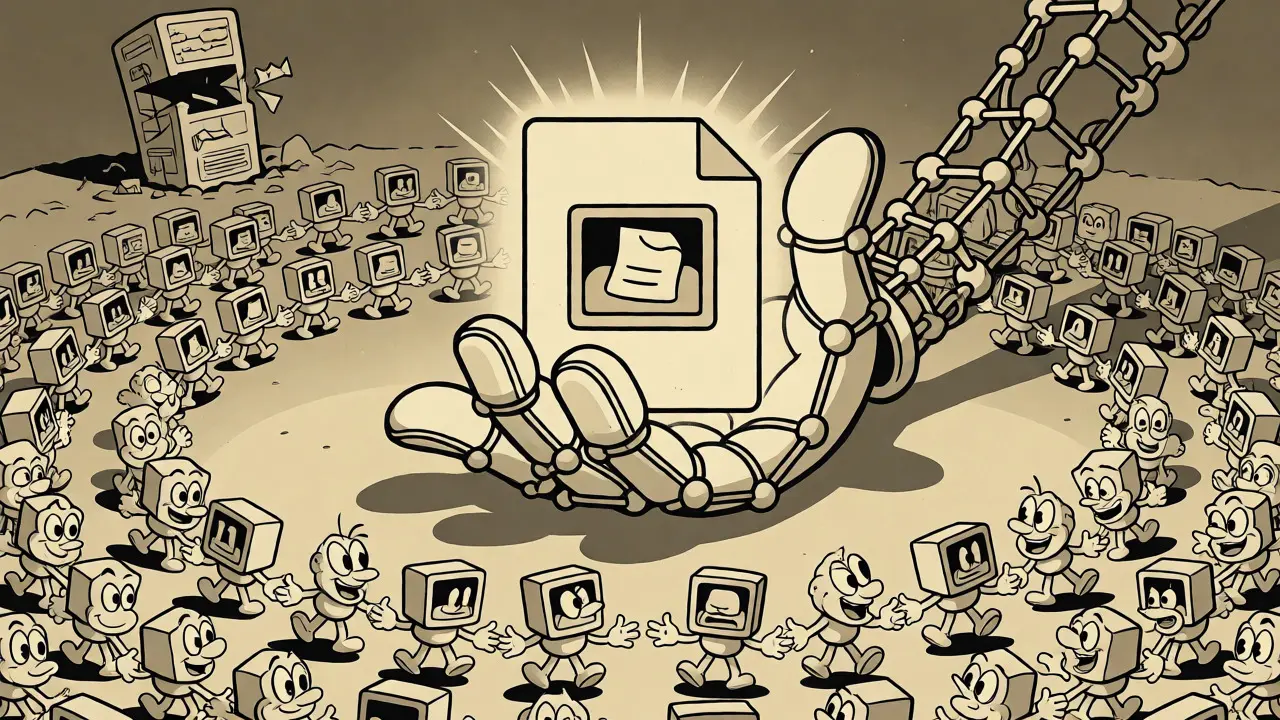
This is the part that trips up most beginners. When you buy an NFT, the actual image file (JPG, PNG, MP4) is rarely stored on the blockchain itself. Blockchains are terrible at storing large files-it’s like trying to write a novel on a receipt.
Instead, the NFT stores a link-a URL-that points to where the file is hosted. In the early days, these links often pointed to centralized servers like Amazon Web Services (AWS). If the company hosting the server went bankrupt or changed its pricing, the link could break. This phenomenon is known as "link rot," and it happened to over 30% of early NFTs.
Today, better projects use decentralized storage systems like IPFS (InterPlanetary File System) is a peer-to-peer hypermedia protocol designed to make the web faster, safer, and more open. It distributes content across many nodes, ensuring files remain accessible even if individual servers go offline. or Arweave. These systems store copies of the file across thousands of computers worldwide. If one computer turns off, the file is still available from others. Always check if an NFT uses IPFS or Arweave before buying; it’s a major indicator of longevity.
Minting: Creating Your First NFT
"Minting" is just a fancy word for publishing. It’s the process of writing the NFT’s data onto the blockchain for the first time. Once minted, the record is permanent.
Here’s the rough workflow:
- Connect a Wallet: You need a crypto wallet like MetaMask or Phantom. This acts as your login and bank account.
- Upload Assets: You upload your image or video to a storage provider (preferably IPFS).
- Add Metadata: You define attributes like name, description, and rarity traits. This data helps marketplaces filter and sort collections.
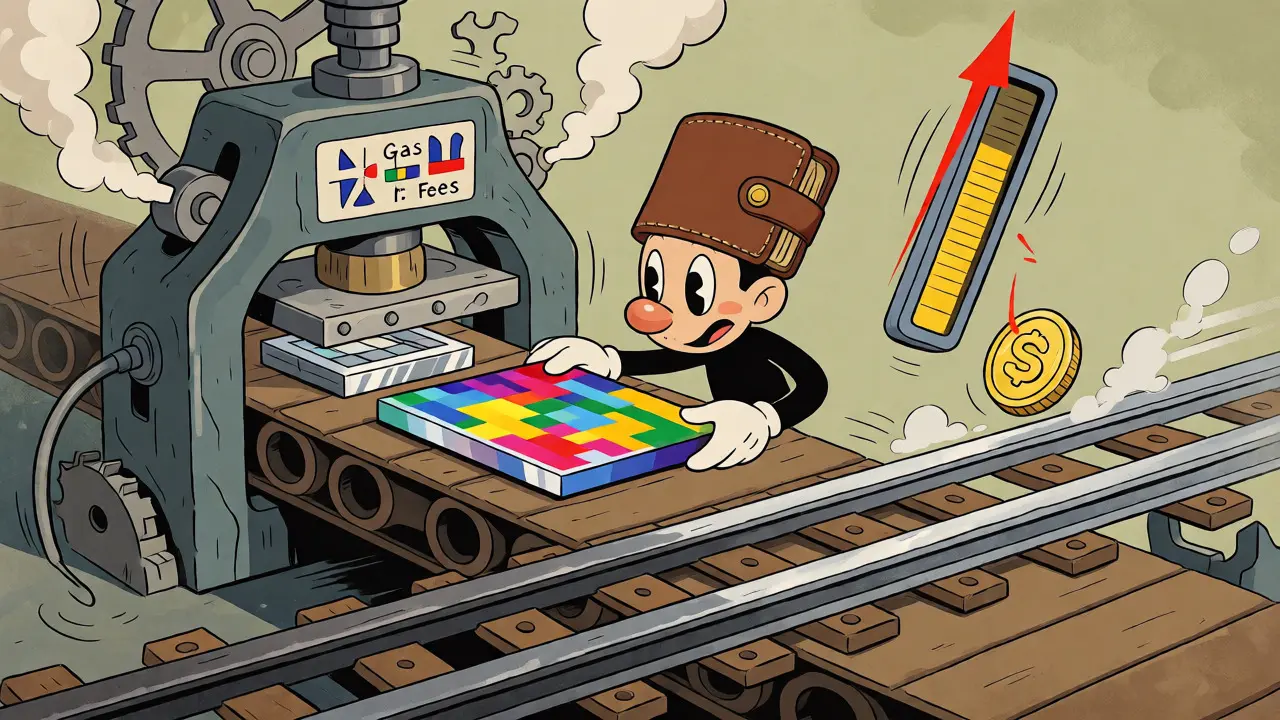
- Pay Gas Fees: You sign a transaction to add the token to the blockchain. This costs network fees.
The cost varies wildly depending on the network. On Ethereum is a decentralized, open-source blockchain with smart contract functionality. It hosts the largest share of NFT activity due to its robust security and extensive developer ecosystem., minting might cost $10-$50 during busy periods. On Solana is a high-performance blockchain platform that supports fast and low-cost transactions. It has gained significant traction in the NFT space due to its speed and affordability compared to Ethereum., it might cost less than a cent. Polygon offers a middle ground with low fees but shares Ethereum’s security model.
Comparing Major Blockchains for NFTs
Not all blockchains are created equal. Choosing the right one depends on whether you prioritize security, speed, or cost.
| Blockchain | Average Mint Cost | Transaction Speed | Best For |
|---|---|---|---|
| Ethereum | $10 - $50+ | Slow (13-15s blocks) | High-value art, prestige |
| Solana | <$0.01 | Very Fast (<1s) | Gaming, high-volume drops |
| Polygon | $0.01 - $0.05 | Fast | Entry-level creators, eco-conscious users |
| Tezos | $0.01 | Moderate | Digital art communities, sustainability |
Ethereum remains the king of prestige. If you’re selling a piece of art for five figures, buyers expect it to be on Ethereum. Solana wins on user experience; nobody wants to wait ten seconds for a game item to load. Polygon is great for testing ideas without breaking the bank.
Royalties and Secondary Sales
One of the biggest promises of NFTs is ongoing income for creators. Traditional artists get paid once when they sell a painting. If it resells for millions later, they see nothing.
Smart contracts change this. Many NFTs include a royalty clause-typically 5% to 10%-that automatically sends a portion of every secondary sale back to the original creator. When you flip an NFT on OpenSea or Magic Eden, the code ensures the artist gets paid instantly.
However, there’s a catch. These royalties are enforced by the marketplace, not strictly by the blockchain. Some newer platforms try to bypass royalties to attract traders, leading to legal and ethical debates. Always check if a platform honors royalty payments before listing your work.
Common Pitfalls and Risks
Owning an NFT comes with responsibilities and risks that traditional assets don’t have.
- Lost Keys, Lost Assets: There is no "Forgot Password" button. If you lose your seed phrase (the backup code for your wallet), your NFT is gone forever. No support team can recover it.
- Scams and Rug Pulls: Anyone can create an NFT. Scammers often launch hype-driven projects, collect the mint fees, and then disappear. Research the team behind the project before investing.
- Copyright Confusion: Buying an NFT usually does not give you copyright ownership. You own the token, not the rights to print t-shirts with the image. Read the license terms carefully.
- Market Volatility: NFT values are highly speculative. A collection can drop 90% in value overnight if the community loses interest or the broader crypto market crashes.
The Future: Utility Beyond JPEGs
The initial wave of NFTs was mostly about profile pictures and speculation. The next phase is about utility.
We are seeing NFTs used for Digital Identity refers to the representation of information about individuals, organizations, devices, and services on the internet. NFTs can serve as verifiable credentials, replacing traditional IDs with tamper-proof digital proofs., ticketing, and supply chain tracking. Imagine buying a pair of sneakers with an NFT attached. That NFT proves authenticity and tracks repairs. Or consider event tickets that prevent scalping because the organizer controls resale prices via the smart contract.
As regulatory frameworks like the EU’s MiCA come into play, we’ll likely see more institutional adoption. Banks and luxury brands are already experimenting with NFT-backed loyalty programs and asset tokenization.
Do I own the copyright when I buy an NFT?
Usually, no. Buying an NFT typically grants you ownership of the token and the right to display it, but not the commercial rights to reproduce or sell merchandise based on the artwork. Always check the specific license associated with the collection.
What happens if the website hosting my NFT image goes down?
If the image is stored on a centralized server (like AWS) and that server fails, the image may disappear from your view, though the token remains on the blockchain. Using decentralized storage like IPFS or Arweave prevents this issue by distributing the file across many nodes.
Why are gas fees so high on some networks?
Gas fees compensate validators for processing transactions. On congested networks like Ethereum, demand for block space exceeds supply, driving prices up. Networks like Solana or Layer 2 solutions like Polygon reduce congestion, resulting in much lower fees.
Can I transfer my NFT to a different blockchain?
Yes, but it requires a "bridge." Bridges lock the asset on the original chain and mint a wrapped version on the new chain. This process carries some risk and complexity, so it’s best done with caution and reputable bridging services.
Are NFTs bad for the environment?
This concern applied primarily to Proof-of-Work chains like pre-Merge Ethereum. Since Ethereum’s switch to Proof-of-Stake, its energy consumption dropped by over 99%. Other chains like Solana and Tezos were already energy-efficient. Modern NFTs generally have a minimal carbon footprint.