NFT Use Cases Beyond Digital Art: Real-World Applications in 2026
Nov, 4 2026
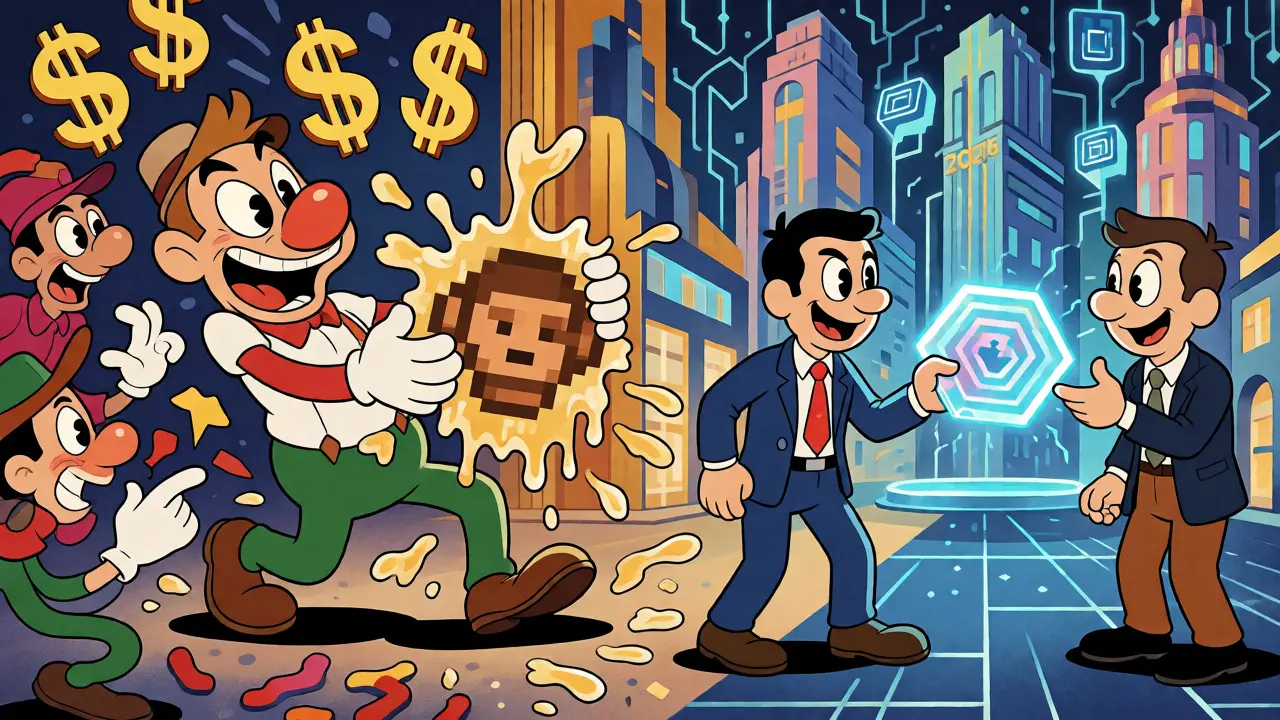
You probably remember the chaos of 2021. People were selling pixelated monkeys for millions, and everyone thought Non-Fungible Tokens (NFTs) were just expensive JPEGs. Fast forward to November 2026, and that narrative feels outdated. The hype cycle has cooled, but the technology hasn’t gone anywhere. In fact, it’s quietly embedding itself into industries you might not associate with crypto at all.
If you’re still thinking of NFTs as just digital art, you’re missing the bigger picture. These tokens are evolving into a universal layer for verifying ownership, tracking assets, and managing access. From your university degree to your car’s service history, NFTs are becoming the invisible infrastructure behind everyday transactions. Let’s look at where this tech is actually working right now, beyond the gallery walls.
Gaming and Virtual Economies
This is arguably the most mature non-art sector. In traditional gaming, you spend money on skins or weapons, but you don’t really own them. If the server shuts down, your inventory vanishes. Web3 gaming flips this model on its head by using NFTs to represent true ownership of in-game assets.
Imagine buying a sword in one game and selling it to another player who plays a different title. That interoperability is the holy grail. Developers are now building economies where players can rent out their rare items or earn yield while they aren’t playing. It’s not just about collecting; it’s about creating liquid markets for virtual goods. Games like Axie Infinity pioneered this, but by 2026, we see major studios integrating NFT backends seamlessly, so you barely notice the blockchain running underneath.
Digital Identity and Credentials
Ever had to call your old university to verify your degree? Or wait days for an employer to check your background? This process is slow, error-prone, and vulnerable to fraud. NFTs offer a solution through Verifiable Credentials, which act as tamper-proof digital certificates.
A university issues your degree as an NFT. You hold it in your wallet. When a potential employer asks for proof, you share a cryptographic link. They verify it instantly on the blockchain. No middlemen, no waiting. This applies to driver’s licenses, professional certifications, and even medical records. Privacy remains key here-smart contracts can prove you have a degree without revealing your grades or graduation date unless you choose to share them.
Real Estate Tokenization
Buying a house is hard. Buying a fraction of a commercial building is easier, thanks to NFTs. Tokenized real estate splits property ownership into smaller, tradable units. Instead of needing $500,000 upfront, you might buy a $5,000 NFT representing a slice of an apartment complex.
This increases liquidity significantly. Real estate is traditionally illiquid-it takes months to sell a property. With NFTs, secondary markets allow owners to trade these fractions 24/7. Smart contracts handle the distribution of rental income automatically. If the tenant pays rent, the smart contract splits it among the token holders. No property manager taking a cut, no delayed checks. While regulatory frameworks vary by country, places like New Zealand and Singapore are testing these models to streamline title transfers and reduce administrative costs.
Supply Chain and Provenance
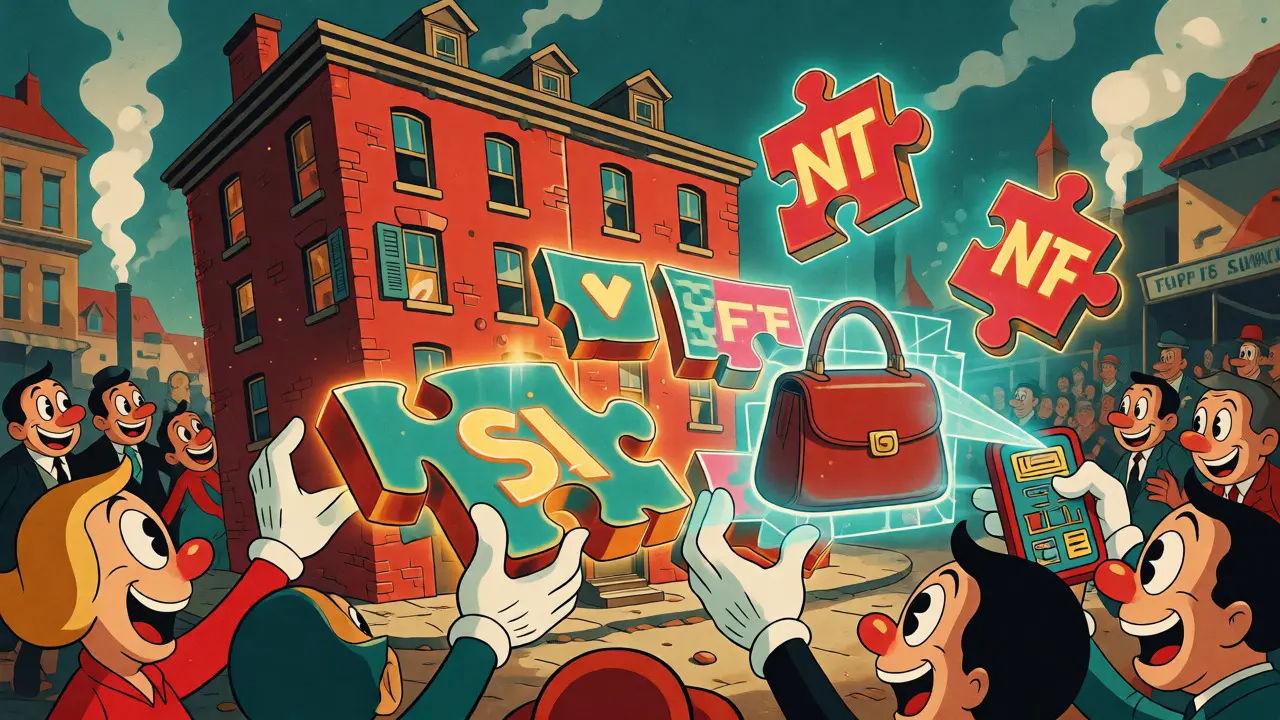
Counterfeiting costs luxury brands billions every year. How do you know that Gucci bag is real? An NFC chip linked to an NFT provides an immutable record of the item’s journey. This is digital provenance, where each product gets a unique passport from factory to consumer.
As the item moves through the supply chain, manufacturers and retailers update the NFT’s metadata. Did it pass quality control? Who shipped it? When did it arrive at the store? A buyer scans a QR code and sees the entire history. This transparency builds trust. For high-value goods like watches or wine, this verification is crucial. It also helps combat gray-market diversion, ensuring that authorized dealers get credit for sales and customers get authentic products.
Ticketing and Event Access
Scalpers ruin events. Fake tickets cause chaos at the door. Traditional ticketing systems struggle with both. NFT tickets solve this by encoding rules directly into the token. Organizers can set resale price caps to prevent gouging. They can also embed royalty clauses, meaning the artist gets a percentage every time the ticket is resold.
For fans, holding the ticket NFT often unlocks perks. Maybe you get early entry, exclusive merch drops, or access to a private Discord channel. Once the event ends, the ticket doesn’t disappear. It becomes a collectible memory or a loyalty badge. Brands are using this to turn one-time attendees into long-term community members. The ticket isn’t just paper; it’s a key to an ongoing relationship.
Music and Intellectual Property
Musicians have long complained about opaque royalty streams. Platforms take big cuts, and payments are slow. NFTs allow artists to sell direct-to-fan rights. Imagine buying an NFT that gives you a share of streaming royalties for a specific song. Every time that track plays on Spotify, you get paid via smart contract.
This model aligns incentives. Fans become investors in the artist’s success. Artists retain more control over their work. It’s not just about music files; it’s about owning a piece of the intellectual property ecosystem. Film producers are using similar methods to fund independent projects, offering backers equity-like stakes in movie profits. It democratizes funding and rewards support.
| Feature | Traditional System | NFT-Based System |
|---|---|---|
| Ownership Verification | Centralized database, manual checks | Public ledger, instant automated verification |
| Transfer Speed | Days to weeks (intermediaries involved) | Minutes (peer-to-peer settlement) |
| Royalty Automation | Manual accounting, quarterly/yearly payouts | Smart contract execution on every sale |
| Fraud Resistance | Vulnerable to forgery and double-spending | Cryptographic uniqueness prevents duplication |
DeFi and Collateralization
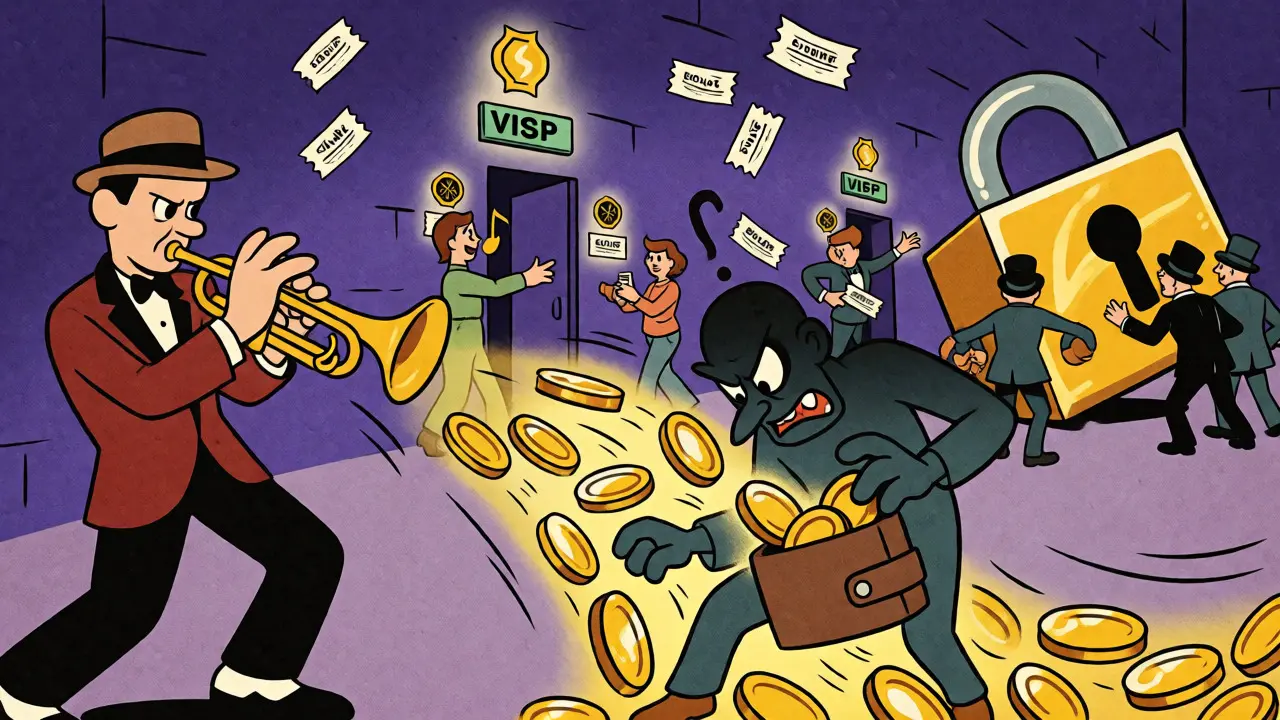
NFTs aren’t just static assets; they’re financial instruments. Decentralized Finance (DeFi) protocols now allow users to borrow against valuable NFTs. If you own a rare gaming item or a tokenized real estate fraction, you can pledge it as collateral to take out a loan in stablecoins. You keep the asset but unlock its liquidity.
This blurs the line between collectibles and finance. Some NFTs even offer staking rewards. Holders lock their tokens in a smart contract to earn interest. It turns idle assets into productive ones. Of course, valuation is tricky. Unlike stocks, NFT prices can be volatile. But as appraisal oracles improve, lending platforms are getting better at assessing risk.
Environmental Assets and Carbon Credits
Sustainability is a major focus for 2026. Voluntary carbon markets suffer from opacity. Are those credits real? Were they retired twice? NFTs bring transparency to carbon offsets. Each credit is minted as a unique token linked to a specific project-say, reforestation in Brazil. The token records when the carbon was sequestered and when the credit was used.
Companies buy these NFTs to offset emissions. Because the ledger is public, auditors can trace the source easily. This reduces greenwashing. Some projects even tie NFT ownership to conservation efforts, where proceeds fund local communities. It’s a way to make environmental impact measurable and verifiable.
Challenges and What’s Next
It’s not all smooth sailing. User experience remains a hurdle. Managing wallets, paying gas fees, and understanding private keys confuses mainstream users. Many successful deployments now abstract this away, hiding the blockchain complexity behind familiar interfaces. You click “buy,” and the system handles the rest.
Regulation is another wild card. Laws around securities, taxes, and data privacy differ globally. In New Zealand, for instance, the Financial Markets Authority is watching how tokenized assets fit into existing frameworks. Clarity will drive adoption. Until then, businesses proceed cautiously, focusing on pilots that deliver clear ROI.
The future isn’t about replacing everything with blockchain. It’s about solving specific problems where trust, transparency, and automation add value. Whether it’s proving you own a car, renting out a vacation home, or buying a concert ticket, NFTs are becoming the plumbing of the digital economy. They’re less flashy than the monkey pictures, but far more useful.
Are NFTs only for cryptocurrency enthusiasts?
No. While early adopters were crypto-native, many modern applications hide the technical details. Users interact with NFTs through standard apps and websites, often unaware they are using blockchain technology. The focus is on utility, such as faster ticketing or verified credentials, rather than speculation.
How do NFTs help with counterfeit goods?
NFTs create a unique digital twin for physical products. This digital record tracks the item's origin and ownership history on an immutable ledger. Consumers can scan a code to verify authenticity, making it extremely difficult for counterfeiters to replicate the complete provenance trail.
Can I lose my NFT if the company goes bankrupt?
Generally, no. Since the NFT exists on a decentralized blockchain, it remains in your wallet regardless of the issuing company's status. However, associated services, such as customer support or platform-specific features, may cease if the provider disappears. The asset itself persists.
What is fractional ownership in real estate NFTs?
Fractional ownership divides a property's value into multiple NFT tokens. Investors can buy individual tokens representing a small percentage of the property. This lowers the barrier to entry, allowing people to invest in real estate with smaller amounts of capital while receiving proportional rental income.
Are NFT-based tickets secure against scalping?
Yes, because smart contracts can enforce resale rules. Organizers can set maximum resale prices or require approval for transfers. This prevents bots from buying up all tickets and reselling them at inflated prices, ensuring fairer access for genuine fans.