Social Tokens and Creator Rewards: A Guide to Web3 Monetization
Nov, 2 2026
Imagine owning a tiny piece of your favorite musician’s career. Not just buying their album, but holding an asset that grows as they do. That is the core promise of Social Tokens. These digital assets are reshaping how creators earn money, moving beyond ads and sponsorships into direct economic relationships with fans.
If you have ever felt like a passive consumer on YouTube or Instagram, social tokens flip the script. They turn audiences into stakeholders. But how do they actually work? And more importantly, can they replace traditional income streams? Let’s break down the mechanics, the risks, and the real-world opportunities for both creators and fans in this emerging economy.
What Exactly Are Social Tokens?
At their simplest, social tokens are fungible digital assets issued by individuals, communities, or brands on blockchain networks. Unlike Non-Fungible Tokens (NFTs), which represent unique items like art or collectibles, social tokens are interchangeable. One $VAL token is worth exactly the same as another $VAL token. They typically run on smart contract platforms like Ethereum, Polygon, or Solana.
The concept isn’t new, but its maturity is. Early experiments started around 2019 with platforms like Rally and Roll. Today, over 1,200 creator tokens exist across various blockchains. The main goal is simple: let creators capture value directly from their community without middlemen taking a huge cut.
| Feature | Traditional Platform (e.g., Patreon) | Social Token Model |
|---|---|---|
| Revenue Source | Subscriptions, Ads, Sponsorships | Token Sales, Trading Fees, Utility Access |
| Fan Relationship | Consumer-Provider | Stakeholder-Creator |
| Asset Ownership | No equity; access only | Transferable ownership stake |
| Volatility Risk | Low (fixed price) | High (market-driven price) |
| Platform Dependence | High (rules change often) | Low (on-chain autonomy) |
How Do Creators Earn With Them?
Creators don’t just sell tokens once and walk away. The model relies on ongoing engagement. When a creator launches a token, early supporters buy it. As the creator’s popularity grows, demand for the token rises, potentially increasing its price. This creates a feedback loop: better content drives token value, and higher token value attracts more attention.
But revenue comes from more than just initial sales. Many platforms charge a percentage of secondary market trades. For example, if you buy $AOKI tokens from another fan, a small fee goes to the creator. Additionally, creators use tokens for "token-gating." This means certain perks-like private Discord channels, exclusive videos, or voting rights-are only available to holders. If you hold 100 tokens, you get weekly Q&As. Hold 1,000, and you might get a monthly virtual meetup.
This structure incentivizes long-term commitment. Fans aren’t just paying for content; they are investing in the creator’s future success. It transforms passive viewers into active promoters who want the creator to win because their own investment depends on it.
The Three Main Types of Social Tokens
Not all social tokens are the same. They generally fall into three categories, each serving different purposes:
- Personal Tokens: Issued by individual influencers, artists, or experts. Examples include DJ Steve Aoki’s $AOKI or writer Austin Rief’s fitness community token. These are tied directly to the individual’s brand.
- Community Tokens: Created by groups or DAOs (Decentralized Autonomous Organizations). Think of Friends With Benefits, where members pay in tokens to join a network of crypto-native creatives. The value here is the network effect.
- Brand or Project Tokens: Used by companies or media outlets to reward loyal users. These often function more like loyalty points but trade on open markets.
Choosing the right type depends on your audience. Personal tokens work best for charismatic individuals with strong personal brands. Community tokens suit niche interests where the group identity matters more than one leader.
Why Should Fans Care? The Case for Ownership
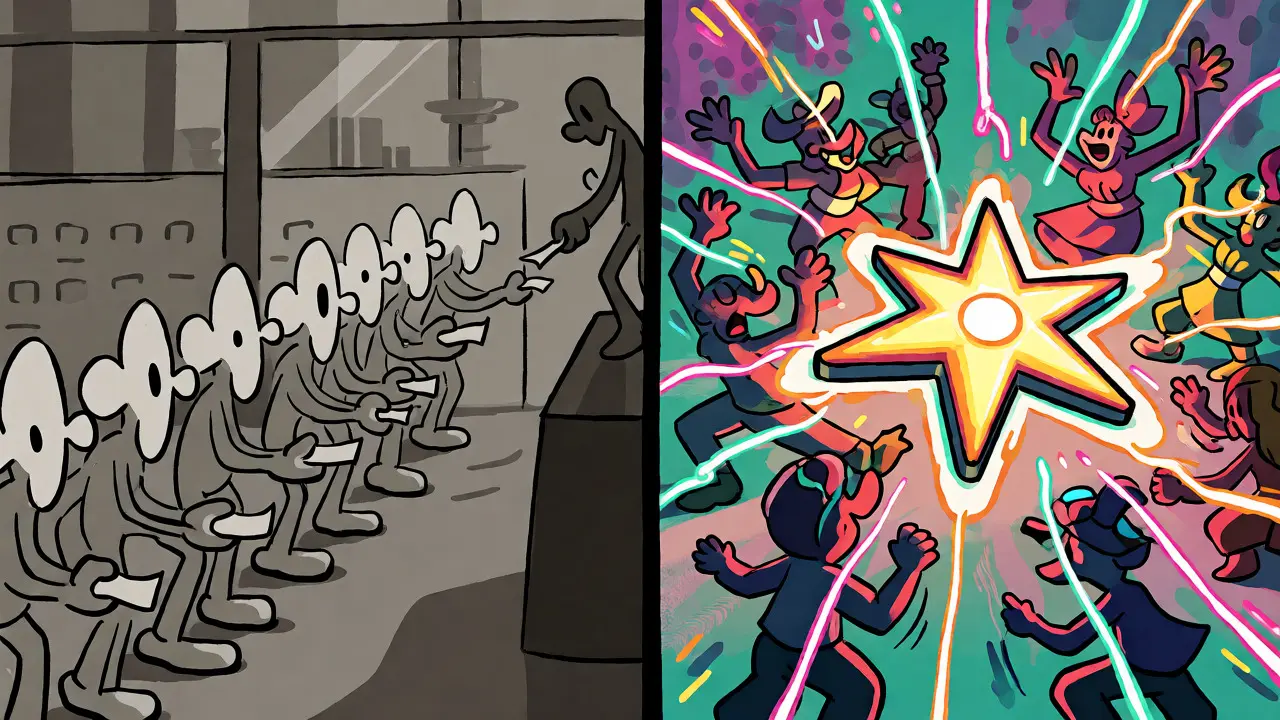
You might ask, "Why should I buy a token instead of just subscribing?" The answer lies in alignment. With a subscription, you pay for access. If the creator fails, you lose nothing but time. With a social token, you share the risk and the reward.
Data shows that engaged communities drive higher lifetime value per fan. Reports indicate social token models generate 30-50% higher engagement rates compared to standard subscriptions. Why? Because financial stakes create emotional stakes. Fans who hold tokens actively promote the creator, defend them online, and provide feedback, knowing their efforts could boost their asset’s value.
Moreover, tokens offer liquidity. If you subscribe to a newsletter and decide you no longer want it, you can’t resell your subscription. But if you hold social tokens, you can sell them to other interested fans at any time. This transferability adds a layer of financial flexibility that traditional models lack.
Risks and Challenges You Can’t Ignore
It’s not all sunshine and moon charts. Social tokens come with significant hurdles. The biggest issue is volatility. Average social tokens can swing 40-60% in price within the first month. If a creator stops posting consistently, the token price can crash quickly. In fact, projects with inconsistent updates see much lower retention rates.
Regulatory uncertainty is another major concern. In the US, the SEC has warned that many tokens might be classified as unregistered securities. This means creators could face legal liability if they don’t structure their offerings correctly. As of recent years, enforcement actions against token creators have increased, signaling that the "wild west" days are ending.
Then there’s the technical barrier. Setting up a wallet, understanding gas fees, and managing token distribution isn’t easy for non-tech-savvy creators. Surveys show most creators need 40+ hours of onboarding just to launch properly. For fans, the friction of buying crypto just to support a podcaster can be a dealbreaker.
How to Get Started: A Practical Checklist
If you’re a creator thinking about launching a token, or a fan looking to invest, here’s what you need to know:
- Audience Size Matters: Success rates skyrocket for creators with existing audiences of 50,000+ followers. Launching a token with under 1,000 highly engaged fans often leads to failure due to low liquidity.
- Define Clear Utility: Don’t just sell hype. What do holders actually get? Exclusive access? Voting power? Merch discounts? Concrete utility reduces speculation and builds trust.
- Choose the Right Chain: Ethereum offers security but high fees ($1.50-$5.00 per transaction). Polygon and Solana offer near-zero fees, making micro-transactions feasible for everyday use.
- Educate Your Community: Most fans aren’t crypto-natives. Create tutorials. Explain wallets. Make it easy. Successful launches often involve weeks of pre-launch education.
- Plan for Volatility: Set expectations. Warn fans that prices fluctuate. Avoid promising guaranteed returns, which can trigger securities laws.
The Future of Creator Rewards
We are seeing a shift from pure speculation to utility-focused models. Recent data suggests that newer tokens prioritize concrete features over vague promises. Platforms are integrating fiat on-ramps, allowing fans to buy tokens with credit cards without touching exchanges. This lowers the barrier to entry significantly.
Major players are also entering the space. Twitter’s beta tests for creator tokens signal mainstream adoption. Meanwhile, hybrid models are emerging where tokens complement traditional subscriptions rather than replacing them. This balanced approach mitigates risk while capturing upside potential.
The trend points toward "token-gated ecosystems," where multiple creators form networks. Imagine a music festival where tickets are NFTs, backstage access requires a specific artist’s social token, and after-party invites go to holders of a community token. Interoperability will define the next phase.
Are social tokens the same as cryptocurrencies like Bitcoin?
No. While both use blockchain technology, Bitcoin is a decentralized currency designed for store of value and payments. Social tokens are assets tied to a specific person, brand, or community. Their value is derived from the creator's success and community engagement, not global monetary policy.
Can I lose money investing in social tokens?
Yes, absolutely. Social tokens are highly volatile. Prices can drop sharply if a creator becomes inactive, faces controversy, or if the broader crypto market crashes. Unlike bank deposits, there is no insurance or guarantee of principal protection.
Do I need to understand coding to buy social tokens?
Not necessarily. Many platforms now offer user-friendly interfaces similar to Venmo or PayPal. However, you do need a digital wallet (like MetaMask or Phantom) and some basic knowledge of how to secure your private keys. Mistakes in sending funds cannot be reversed.
How do taxes work with social tokens?
Tax laws vary by country, but generally, trading tokens is a taxable event. If you sell a token for a profit, you may owe capital gains tax. Receiving tokens as rewards might be treated as income. Always consult a local tax professional, as regulations are still evolving rapidly.
What happens if a creator quits?
If a creator stops producing content, the token's utility diminishes, likely causing its price to fall. However, the tokens themselves remain on the blockchain. You can still sell them to others, though finding buyers may become difficult if the community loses interest.