BULL Finance Airdrop: What It Is, Who’s Involved, and How to Avoid Scams
When you hear BULL Finance, a blockchain project that promised token rewards through airdrops and community engagement. Also known as BULL token, it’s one of many crypto initiatives that surface with big claims but little proof. The hype around its airdrop has spread across social media, Discord servers, and Telegram groups—offering free tokens to anyone who signs up, connects a wallet, or shares a post. But here’s the problem: no official website, no verified smart contract, and no record of token distribution on any major blockchain explorer. That’s not a feature—it’s a red flag.
Airdrops like this aren’t rare. They’re everywhere. crypto airdrop, a free distribution of tokens to wallet holders as a marketing tactic. Also known as token giveaway, it’s a real tool used by legit projects like METIS and Sologenic to grow their user base. But scammers copy the same language: "Claim your BULL tokens now!" "Limited spots!" "Only for early adopters!" They don’t need to deliver anything. They just need you to connect your wallet, sign a malicious approval, and watch your crypto vanish.
Real airdrops don’t ask for your private key. They don’t send you links to fake websites. They don’t pressure you with countdown timers. They publish clear rules, list qualifying wallets on-chain, and tie rewards to verifiable actions—like holding a specific token before a snapshot or providing liquidity on a live DEX. Look at what happened with PLAYA3ULL, a Web3 gaming project that ran a transparent 2024 airdrop tied to NFT ownership. No drama. No panic. Just clear instructions and on-chain proof. That’s how it’s supposed to work.
BULL Finance has none of that. No whitepaper. No team names. No exchange listings. No GitHub. No audit reports. If a project can’t show you where its code lives or who built it, it’s not a project—it’s a trap. And you’re not the first person to fall for it. Scammers target new crypto users because they’re excited, not skeptical. They know the promise of free money is powerful. But free crypto isn’t free if you lose your savings.
So what should you do? First, stop clicking. Second, check if the project appears on trusted sources like CoinGecko or CoinMarketCap. Third, search for the official Twitter or Telegram—then compare it to the one pushing the airdrop. Fake accounts often copy logos but miss small details like verification badges or follower counts. Fourth, never approve a transaction unless you know exactly what it does. A simple "approve" on a fake site can let hackers drain your entire wallet.
There are real airdrops happening right now. You just have to know how to find them. The ones that last are built on transparency, not hype. The ones that vanish? They’re all the same: no history, no team, no future. BULL Finance fits that pattern perfectly. Don’t chase ghosts. Stay sharp. Your crypto is worth more than a viral post.
Below, you’ll find real stories of crypto airdrops that worked, ones that collapsed, and others that turned out to be outright scams. Learn from them—before you lose money to the next BULL Finance.
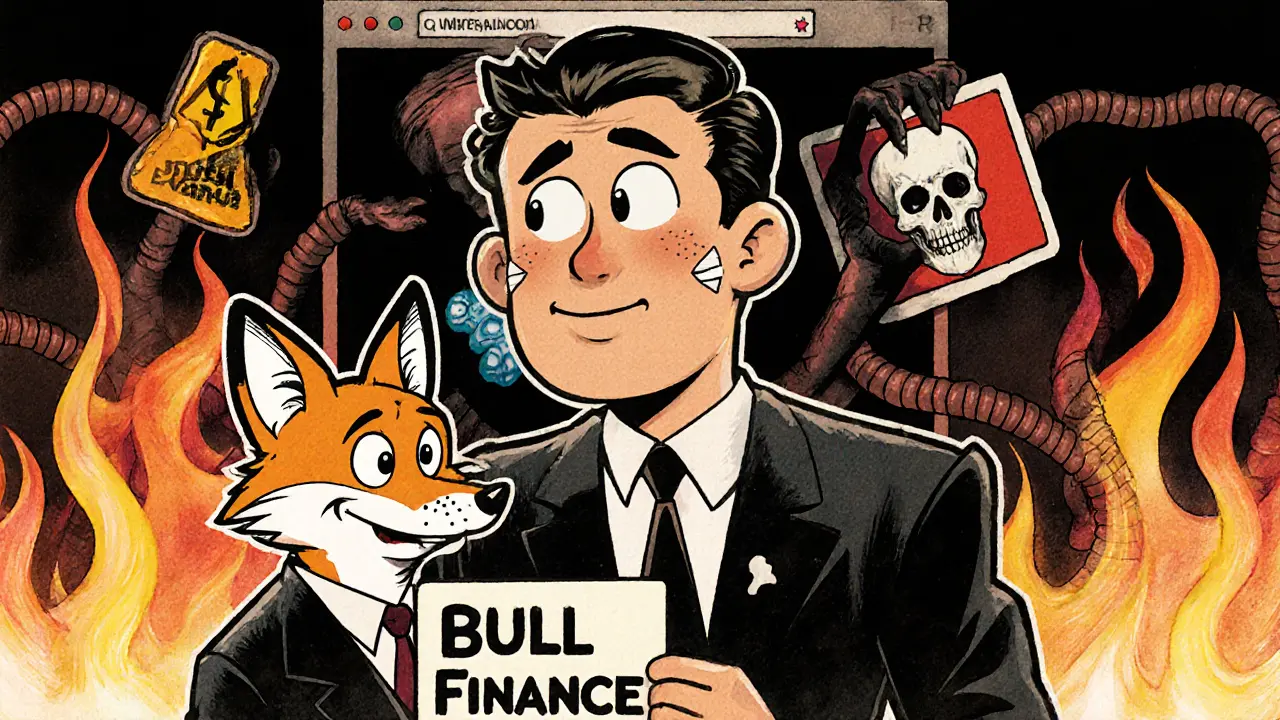
BULL Finance Airdrop: What You Need to Know Before It Drops
Caius Merrow Nov, 16 2025 0BULL Finance has not announced any official airdrop. Learn how to spot fake claims, protect your wallet, and what real DeFi airdrops look like before it's too late.
More Detail