Crypto Futures Trading: How It Works, Risks, and What You Need to Know
When you trade crypto futures trading, a contract to buy or sell a cryptocurrency at a set price on a future date. Also known as cryptocurrency derivatives, it lets you profit from price swings without owning the actual coin. This isn’t speculation—it’s a financial tool used by professionals and amateurs alike. But most people don’t realize how quickly leverage can turn a small win into a total loss.
Leverage trading, borrowing funds to increase your position size. Also known as margin trading, it’s the engine behind crypto futures. If you trade with 10x leverage, a 5% move in your favor doubles your money. But a 5% move against you? You’re wiped out. That’s why platforms like Digitex and Zeddex, which boast zero fees, are dangerous—they lure you in with low costs but offer thin liquidity and no safety nets. Real futures trading needs deep order books, not just flashy marketing.
Crypto exchanges, platforms where futures contracts are settled. Also known as derivatives exchanges, they’re the backbone of this market. Not all are built the same. Some, like COREDAX and Bitaroo, focus on local users and compliance. Others, like Bitsoda and Coinrate, are outright scams with fake interfaces and no withdrawals. You don’t need to trade on every platform—just the ones with real history, audits, and user trust.
Most people think futures are about making quick cash. But the real winners understand timing, risk limits, and exchange reliability. They avoid meme coins with no volume, like PENGU or KORI, when trading futures. They know that a token’s price can collapse faster than a house of cards when the market turns. And they never trust airdrop claims tied to futures platforms—those are almost always fake, like the non-existent BULL Finance or Swaperry promotions.
What you’ll find here aren’t guesses or hype. These are real reviews of exchanges, breakdowns of how leverage actually works under pressure, and warnings about platforms that vanish overnight. You’ll see why Iran uses crypto to bypass sanctions—not because it’s legal, but because futures markets let them move value without banks. You’ll learn why block rewards matter to miners, and how that connects to the stability of the networks you’re trading on. You’ll even find out why a stablecoin like JUSD can be riskier than Bitcoin itself when used as collateral.
This isn’t a beginner’s guide to getting rich. It’s a practical look at what actually happens when you open a futures position—and what happens when things go wrong. The posts below are the kind of real-world reports you won’t find on Twitter or Telegram. They’re from people who lost money, dug into the code, and came back with answers. If you’re trading futures, you need this level of detail. Not the fluff. Not the promises. Just the facts.
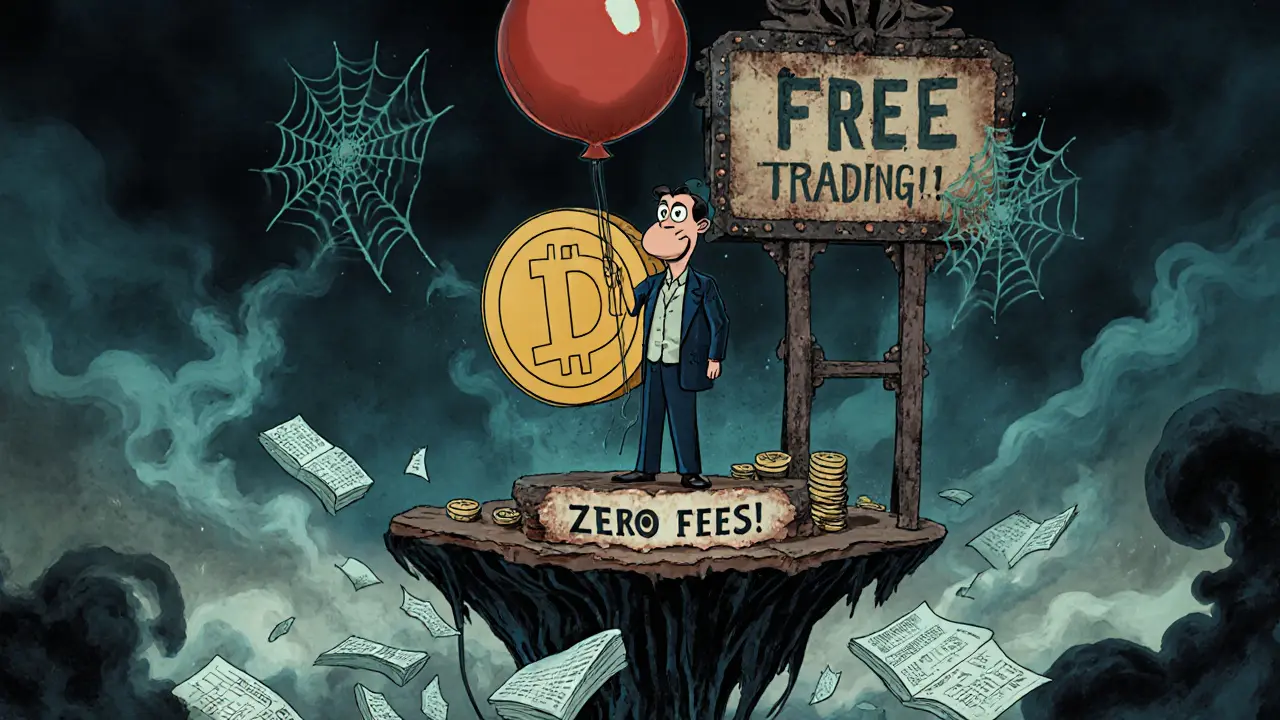
Digitex Crypto Exchange Review: Zero Fees, Low Liquidity, and the Real Cost of Free Trading
Caius Merrow Nov, 23 2025 0Digitex offers zero-fee crypto trading but lacks liquidity, support, and verified volume. Learn why its DGTX token model is risky and how it compares to top exchanges like Binance and Bybit.
More Detail