Cryptocurrency Privacy: How to Protect Your Data on the Blockchain
When you use cryptocurrency privacy, the ability to control who sees your transactions, wallet addresses, and spending habits on public blockchains. Also known as crypto anonymity, it’s not about being secretive—it’s about having the same rights to financial privacy you have with cash. Most people think Bitcoin is private because it’s digital, but every transaction is公开 on a global ledger. If someone links your wallet to your identity—through an exchange, a social media post, or even a public tip—you’re exposed. Real cryptocurrency privacy means no one can trace your purchases, income, or connections without your permission.
That’s where blockchain privacy, a set of technologies and practices designed to obscure transaction details while still verifying their validity. It includes tools like zero-knowledge proofs, coin mixing, and private addresses come in. Projects like Zcash and Monero built their entire networks around this idea, but even they aren’t perfect. Many users still rely on centralized exchanges that collect KYC data, making privacy useless if your identity is tied to your wallet. Meanwhile, user data control, the principle that you, not corporations, should own and decide how your personal information is used. It’s the core idea behind decentralized social networks and self-custody wallets is becoming the new standard for digital rights. If you’re using a blockchain social platform, you’re not just posting—you’re deciding who sees your activity, your followers, and your spending habits. That’s the shift: from trusting companies to trusting code and your own keys.
But here’s the problem: most crypto projects don’t prioritize privacy. They hype airdrops, meme coins, and trading bots while ignoring the basics. You’ll find dozens of guides on how to claim free tokens, but almost none on how to keep your wallet safe from trackers. That’s why the posts here focus on real privacy issues—like how Manna’s UBI experiment failed because it couldn’t protect user data, or how blockchain social networks give you control over your identity instead of selling it to advertisers. You’ll also see warnings about fake exchanges that steal your data, and honest breakdowns of what privacy actually means when you’re trading on Solana or Binance Smart Chain.
What you’ll find below isn’t theory. It’s real examples of what works, what doesn’t, and what to avoid. From how to spot a scam that steals your private keys to why some "privacy coins" are dead on arrival, these posts cut through the noise. No fluff. No hype. Just what you need to know to keep your crypto—and your identity—yours.
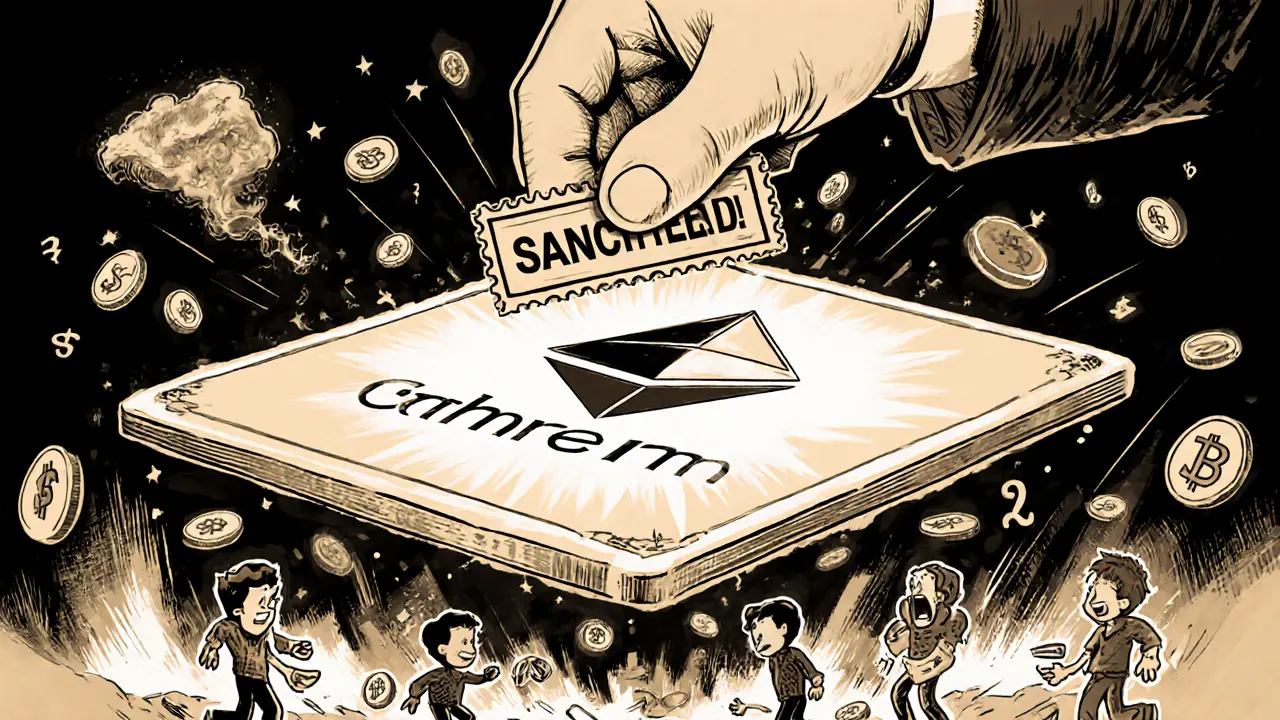
US Sanctions on Crypto Mixers: What the Tornado Cash Case Really Means
Caius Merrow Nov, 9 2025 0The U.S. sanctions on Tornado Cash marked a turning point in crypto regulation-targeting open-source software for the first time. Learn how it worked, why it was banned, and what it means for privacy, developers, and the future of crypto.
More Detail