Play-to-Earn Crypto: How Blockchain Games Pay You to Play
When you hear play-to-earn crypto, a model where players earn cryptocurrency by participating in blockchain-based games. Also known as P2E, it turns screen time into something that can actually put money in your wallet. But not all games pay what they promise. Some hand out tokens with no real value. Others lock your earnings behind impossible tasks. The real winners? Games that tie rewards to actual gameplay, not just signing up or inviting friends.
Behind every successful blockchain game, a video game built on a blockchain where in-game assets are owned by players as NFTs or tokens is a token economy. That means the game’s currency isn’t just for show—it’s traded on exchanges, used to buy gear, or staked for more rewards. Projects like crypto airdrop, a free distribution of tokens to users who complete simple tasks often kickstart these economies, giving early players a head start. But here’s the catch: if the game doesn’t have real players doing real things—like winning matches, completing quests, or building in-game assets—the token will crash. You can’t earn what doesn’t have demand.
Most people think play-to-earn is just about grinding for tokens. But the best ones blend fun with finance. Think of it like a job where you get paid in Bitcoin instead of dollars. Some games reward you for team play. Others pay you to help test updates or vote on new features. And yes, some still rely on NFTs—digital items you own outright, not just rent from the game company. That’s why NFT gaming, games where in-game items are unique, tradable digital assets on the blockchain matters. If your sword or character can be sold on OpenSea or another marketplace, it has real value outside the game.
But don’t get fooled by hype. A lot of these games are just crypto scams in gaming clothes. They promise big returns, then vanish. That’s why you need to check the team, the token supply, and whether people are actually playing—not just farming tokens and cashing out. Look for games with active Discord communities, regular updates, and real revenue from in-game purchases, not just new investors.
And if you’re looking to get in early, keep an eye on token rewards, crypto payments distributed to players based on activity, skill, or time spent in the game. The smartest players don’t just chase the biggest payout—they look for sustainability. A game that pays $5 a week but lasts five years beats one that pays $100 and shuts down in two months.
Below, you’ll find real reviews, deep dives, and warnings about the most talked-about play-to-earn projects in 2025. Some are legit. Some are traps. All of them show how blockchain is changing what gaming means—and who gets paid when you hit play.
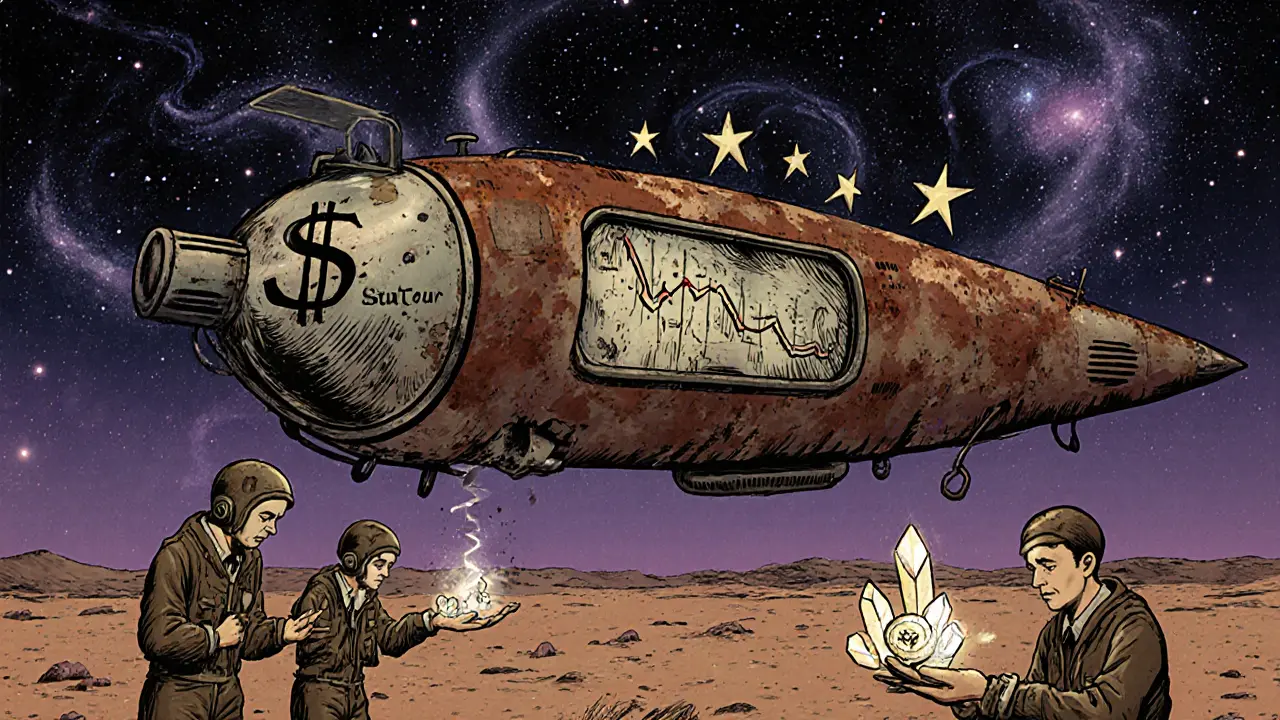
What is CryptoMines (ETERNAL) Crypto Coin? A Real-World Look at the Play-to-Earn Token
Caius Merrow Nov, 7 2025 0CryptoMines (ETERNAL) was a play-to-earn crypto game that promised big earnings-but its token crashed over 95%. Learn why it failed, who still plays, and whether it’s worth your time today.
More Detail