Zyberswap v3 Review: Is This Arbitrum DEX Worth Your Crypto in 2026?
May, 3 2026
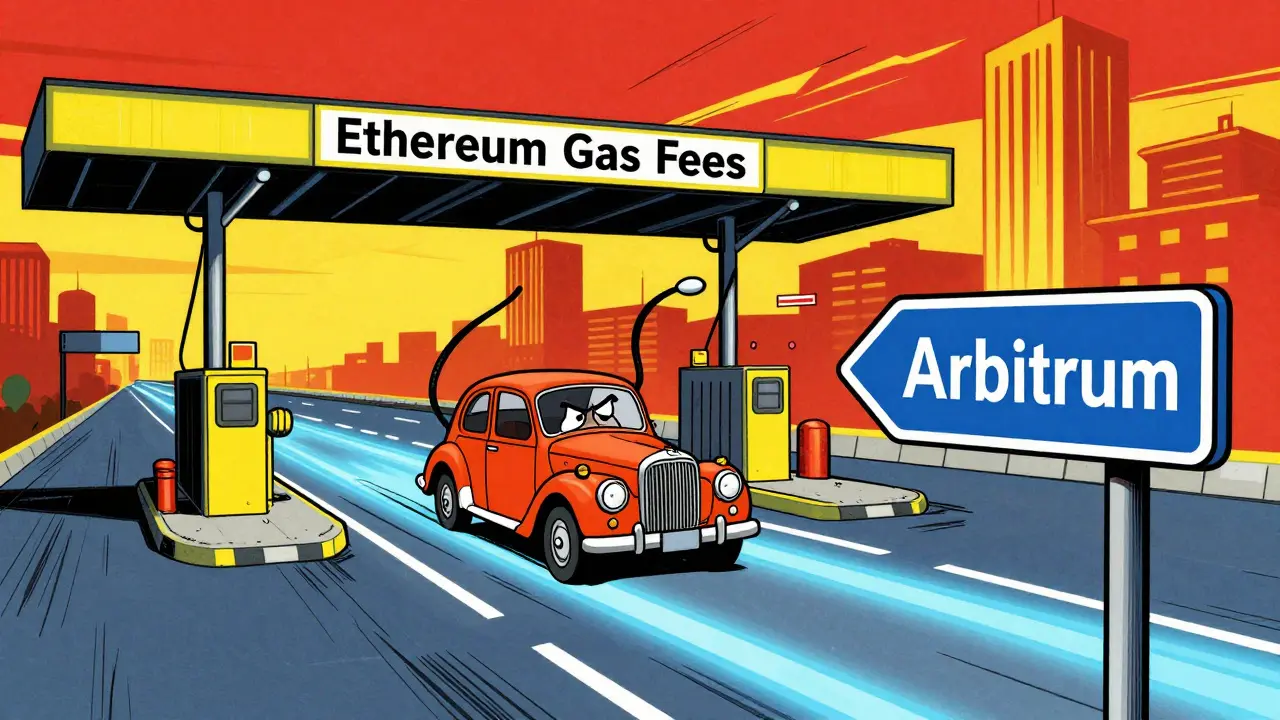
Trading on Ethereum mainnet can feel like paying a toll booth fee for every single lane you drive through. Gas fees spike, transactions stall, and your profit margins vanish before the trade even settles. That is why Layer 2 solutions like Arbitrum exist-to give you speed without the price tag. But just because a blockchain is cheap doesn't mean every exchange built on it is worth your trust. Enter Zyberswap v3, a decentralized exchange (DEX) that promises low fees and high yields right inside the Arbitrum ecosystem.
I have been tracking DeFi protocols since the early days of Uniswap, and I approach new platforms with a healthy dose of skepticism. Zyberswap v3 claims to be one of the first native DEXs on Arbitrum, offering an automated market maker (AMM) model similar to what you see on bigger platforms. The question isn't whether it works-it does-but whether it offers enough value to pull you away from established giants. In this review, we will break down the real costs, the liquidity situation, and whether the ZYB token actually adds value or just noise.
What Exactly Is Zyberswap v3?
Zyberswap v3 is not a centralized platform where you hand over your private keys or fill out KYC forms. It is a pure decentralized protocol. You connect your wallet, approve the transaction, and swap tokens directly against liquidity pools managed by smart contracts. The "v3" designation indicates it uses concentrated liquidity, a feature popularized by Uniswap v3. This allows liquidity providers to place their capital within specific price ranges, theoretically increasing capital efficiency and rewards for those who manage it actively.
The platform operates primarily on the Arbitrum One network, which is an optimistic rollup solution scaling Ethereum. Some older sources might mention Binance Smart Chain (BSC), but the core identity and current development focus of Zyberswap v3 are firmly rooted in the Arbitrum ecosystem. This distinction matters because Arbitrum offers near-Ethereum security with significantly lower transaction costs, usually costing pennies rather than dollars per swap.
| Feature | Zyberswap v3 | Uniswap v3 | Camelot (Arbitrum) |
|---|---|---|---|
| Primary Chain | Arbitrum | Ethereum + L2s | Arbitrum |
| Fee Structure | Low (Variable) | Medium (0.05%-1%) | Low (Discounted with GMX) |
| Liquidity Depth | Moderate | Very High | High |
| Governance Token | ZYB | UNI | GMX / GRILL |
| User Interface | Simplified | Complex/Professional | Intermediate |
The Liquidity Reality Check
Here is the hard truth about niche DEXs: liquidity is king. If there is no money in the pool, you cannot trade large amounts without massive slippage. Slippage is the difference between the expected price of a trade and the price at which the trade is executed. On thin pools, slippage can eat up 5% or more of your trade instantly.
Zyberswap v3 has faced challenges here. Data from late 2024 showed daily trading volumes hovering around $24,000. Compare that to Uniswap, which processes billions daily, or even Camelot, its direct competitor on Arbitrum, which sees hundreds of millions. While volume may have fluctuated into 2026, Zyberswap remains a mid-tier player. For small swaps-say, converting $50 worth of ETH for an obscure meme coin-this might not matter. But if you are moving thousands of dollars, you will likely find better execution prices on larger platforms due to deeper order books.
The limited selection of trading pairs is another consequence of this liquidity gap. You won't find every altcoin listed here. The platform focuses on major pairs and select Arbitrum-native tokens. If you need to trade a highly specialized asset, you might have to bridge back to Ethereum or switch to a multi-chain aggregator like 1inch or Jupiter.
Fees: The Main Selling Point
If liquidity is the weakness, fees are the strength. Zyberswap v3 markets itself aggressively on cost savings. Standard trading fees on many DEXs sit at 0.3%. Zyberswap often structures its fees to be lower, sometimes dipping below 0.1% depending on the pair and the user's status. For high-frequency traders or those making numerous small swaps, these fractions of a percent add up quickly.
Additionally, because it runs on Arbitrum, you bypass Ethereum gas wars. A swap that might cost $10 in gas on Ethereum mainnet could cost less than $0.10 on Arbitrum via Zyberswap. However, keep in mind that you still pay for the underlying network interaction. If you are bridging assets from Ethereum to Arbitrum, that bridge fee is separate from the exchange fee.
The platform also utilizes its native token, ZYB, to further reduce costs. Holding or staking ZYB can unlock additional fee discounts. This creates a utility loop: the more you use the platform, the more incentive you have to hold the token, which in turn supports the token's demand. Whether this translates to actual value appreciation depends entirely on user adoption growth, which has been slow.

Security and Trust Factors
In DeFi, "not your keys, not your coins" is the mantra, but it comes with responsibility. When you use Zyberswap v3, you are interacting directly with smart contracts. There is no customer support team to reverse a mistaken transaction. If you send funds to the wrong address, they are gone forever.
From a technical standpoint, Zyberswap follows standard AMM architecture. The code is generally open-source, allowing auditors and developers to inspect it. As of my last check, there were no major reported hacks or exploits specific to Zyberswap's core contracts. However, "no hacks" is not the same as "secure." The platform relies on the security of the Arbitrum network itself. If Arbitrum suffers a critical failure, all exchanges built on top of it are affected.
A notable positive is the platform's fair launch strategy. Unlike many projects that reserve large portions of tokens for venture capitalists or insiders, Zyberswap aimed for broader distribution. This aligns with decentralization principles and reduces the risk of insider dumping crashing the token price immediately after listing. Still, always verify contract addresses directly from official channels. Phishing sites mimicking legitimate DEXs are common, and losing your funds to a fake URL is a frequent mistake among new users.
User Experience: Simple But Limited
Navigating Zyberswap v3 is straightforward. The interface is clean, avoiding the cluttered dashboards found on some professional-grade DEXs. You connect your Web3 wallet-MetaMask, WalletConnect, or others-and you are ready to swap. The settings menu allows you to adjust slippage tolerance, which is crucial when trading volatile tokens.
However, simplicity has trade-offs. Advanced features like limit orders, complex yield farming strategies, or cross-chain aggregation are either missing or buried. If you are a power user accustomed to the tools provided by platforms like dYdX or GMX, Zyberswap might feel bare-bones. It is designed for the average user who wants to swap tokens quickly without navigating a maze of options.
Customer support is non-existent in the traditional sense. There is no ticket system or live chat. Instead, the community relies on Discord, Telegram, and Twitter for assistance. This means if you run into an issue, you are at the mercy of community volunteers or developer updates. For simple UI questions, this works fine. For urgent technical issues, it can be frustrating.
The ZYB Token: Utility or Speculation?
Every DEX needs a governance token, and Zyberswap's is ZYB. Its primary roles include:
- Governance: Voting on protocol upgrades, fee structures, and new listings.
- Fee Discounts: Reducing trading costs for holders.
- Staking Rewards: Earning yields by locking ZYB in designated pools.
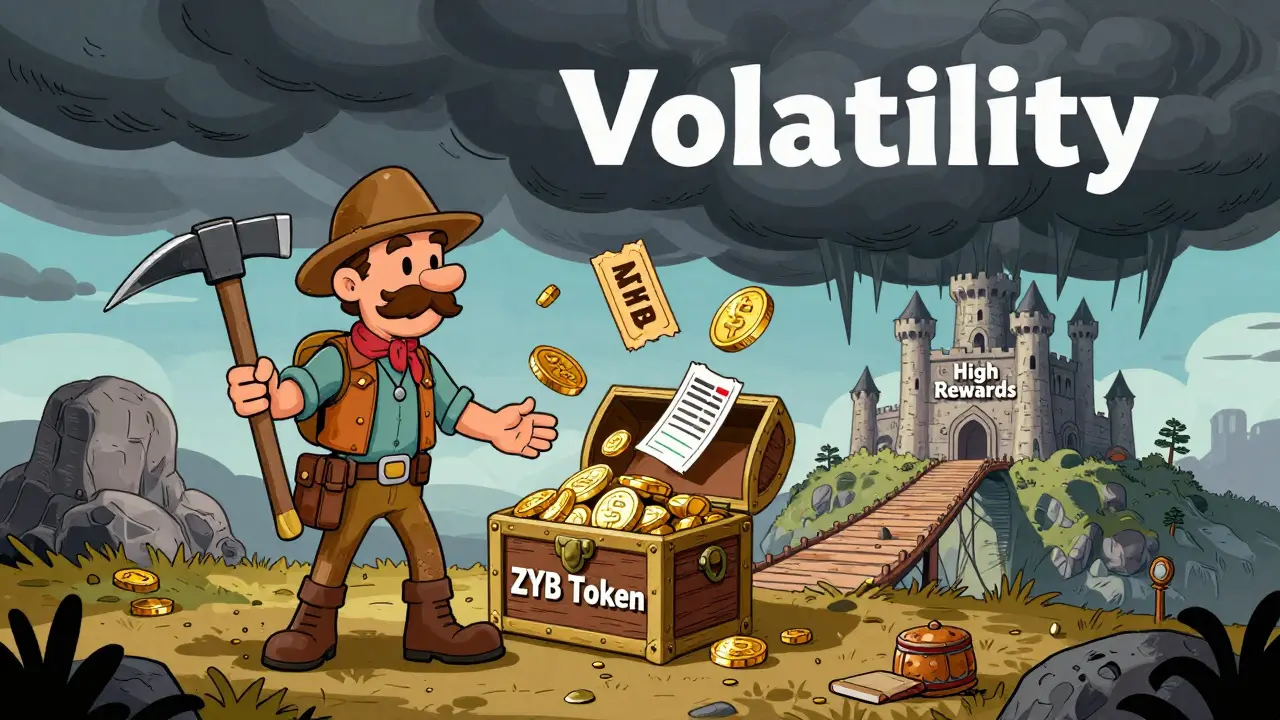
The token ranks outside the top 3,000 on major aggregators like CoinMarketCap, indicating relatively low market capitalization and liquidity. This makes it a higher-risk asset compared to UNI or GMX. Price volatility can be extreme, and selling large amounts of ZYB can impact the market price due to thin order books.
If you plan to use Zyberswap regularly, holding ZYB makes economic sense to save on fees. If you are looking purely for investment potential, exercise caution. The token's value is tied directly to the platform's usage metrics. Without significant growth in trading volume, the token lacks fundamental support for long-term appreciation.
Who Should Use Zyberswap v3?
Zyberswap v3 is not for everyone. Here is how to decide if it fits your needs:
Use it if:
- You are already on Arbitrum and want to avoid bridging fees.
- You are trading smaller amounts where gas fees on other chains would be prohibitive.
- You prefer a simple, no-frills interface for quick swaps.
- You want to participate in early-stage Arbitrum ecosystem projects.
Avoid it if:
- You are moving large sums of money ($10k+) where slippage matters significantly.
- You need access to a wide variety of exotic token pairs.
- You require advanced trading tools like limit orders or stop-losses.
- You are uncomfortable with self-custody and lack experience with Web3 wallets.
Final Verdict
Zyberswap v3 fills a specific niche: low-cost, simple swapping on the Arbitrum network. It delivers on its promise of reduced fees and ease of use. However, it struggles with liquidity depth and market presence compared to industry leaders. For casual traders and those deeply embedded in the Arbitrum ecosystem, it is a viable tool. For serious investors or high-volume traders, it may serve only as a supplementary option.
Always do your own research (DYOR). Connect to test networks first if possible, start with small amounts, and never invest more than you can afford to lose. The DeFi landscape moves fast, and today's promising platform can become tomorrow's relic if it fails to capture user attention.
Is Zyberswap v3 safe to use?
Zyberswap v3 uses standard smart contract security protocols and has not suffered major public hacks. However, all DeFi platforms carry inherent risks, including smart contract vulnerabilities and user error. Always verify contract addresses and use reputable wallets. Security is shared between the protocol and the user.
What blockchain does Zyberswap v3 operate on?
Zyberswap v3 primarily operates on the Arbitrum One network, a Layer 2 scaling solution for Ethereum. While some legacy information may reference Binance Smart Chain, the current and active version is built for Arbitrum to leverage lower gas fees and faster transactions.
How do I get started with Zyberswap v3?
To use Zyberswap v3, you need a Web3-compatible wallet like MetaMask or Rabby. Ensure your wallet is configured to the Arbitrum network and holds some ETH for gas fees. Visit the official Zyberswap website, connect your wallet, and you can begin swapping tokens. Never share your private key or seed phrase.
Are Zyberswap fees really lower than Uniswap?
Yes, Zyberswap often offers lower trading fees, sometimes below 0.1%, compared to Uniswap's standard 0.3%. Additionally, because it runs on Arbitrum, the network gas fees are significantly cheaper than on Ethereum mainnet. However, total cost includes both trading fees and gas, so compare both factors for your specific trade size.
Can I earn passive income with the ZYB token?
Yes, Zyberswap offers staking and yield farming opportunities using the ZYB token. By locking your tokens in designated pools, you can earn rewards from trading fees or additional ZYB emissions. Returns vary based on market conditions and pool performance, so check current APY rates on the platform before staking.
Why is the trading volume on Zyberswap so low?
Zyberswap competes in a crowded market dominated by established players like Uniswap and PancakeSwap. Lower brand recognition, limited marketing budgets, and fewer listed pairs contribute to its modest trading volume. Liquidity tends to follow volume, creating a cycle that is difficult for newer platforms to break without significant incentives.