How Privacy Coins Protect User Identity: Monero, Zcash & The Tech Behind Anonymity
Jul, 30 2026
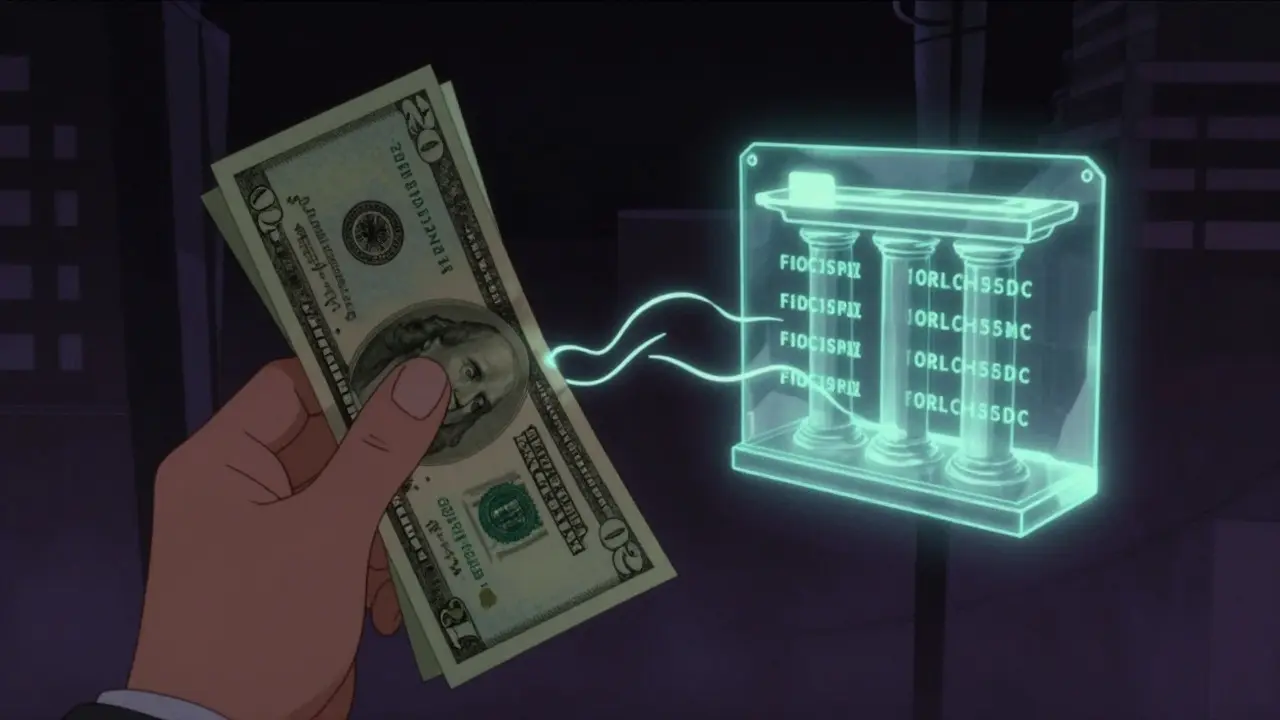
Imagine handing a stranger a $20 bill. You don't write your name on it. You don't record the transaction in a public ledger that everyone can read forever. It’s just cash-private, immediate, and untraceable by design. Now, imagine doing that same thing online with cryptocurrency. For years, this was nearly impossible because blockchains like Bitcoin are transparent ledgers. Every transaction is visible to anyone who looks.
This is where privacy coins come in. These are digital currencies built specifically to hide who sent money, who received it, and how much was transferred. They use advanced cryptography to mimic the privacy of physical cash in the digital world. But how exactly do they pull off this trick? And why does it matter for your financial freedom?
The Problem with Transparent Blockchains
To understand why privacy coins exist, you first need to see what they’re fighting against. Traditional cryptocurrencies like Bitcoin and Ethereum operate on public ledgers. When you send Bitcoin, the network records the sender’s address, the receiver’s address, and the amount. While these addresses aren’t directly tied to your name (like "John Doe"), they are pseudonymous. If someone links your address to your identity-which happens easily when you buy crypto from an exchange or pay for goods-they can see your entire financial history.
Think of it like a glass bank account. Everyone can see when money comes in and goes out. For most people, this is fine. But for journalists in authoritarian regimes, activists facing persecution, or businesses negotiating sensitive mergers, total transparency is a risk. Even ordinary citizens might want to keep their salary details or medical payments private. This gap between public visibility and personal privacy is the core problem privacy coins solve.
Core Technologies: How Anonymity Works
Privacy isn’t magic; it’s math. Privacy coins rely on three main cryptographic techniques to obscure transaction data. Let’s break down how each one works without getting lost in jargon.
Ring Signatures: Hiding the Sender
Ring signatures are the backbone of Monero, the most popular privacy coin. Here’s the simple version: when you sign a transaction, your signature is mixed with the signatures of several other users from the blockchain. To an outside observer, it looks like any one of those people could have authorized the payment. It’s like trying to find which person in a crowd of eleven raised their hand-you know one did, but you can’t tell which one.
In Monero’s current protocol, this group size is typically around 11 members. The larger the group, the harder it is to pinpoint the real sender. This creates mathematical ambiguity that protects your identity.
Stealth Addresses: Hiding the Receiver
If ring signatures hide the sender, stealth addresses hide the receiver. In a standard blockchain, if you give someone your wallet address, every time they pay you, that same address appears on the ledger. Over time, patterns emerge showing how much you’ve earned.
With stealth addresses, the sender generates a unique, one-time address for every single transaction. This address is derived from your public key but looks completely different. Only you, with your private view key, can recognize that this random-looking address belongs to you and claim the funds. To the rest of the world, it just looks like a random string of characters receiving money. This ensures your actual wallet address never appears on the blockchain.
zk-SNARKs: Hiding Everything
Zcash takes a different approach using technology called zk-SNARKs (Zero-Knowledge Succinct Non-Interactive Arguments of Knowledge). This allows a user to prove a transaction is valid without revealing any details about it. Imagine proving you’re over 21 to buy alcohol without showing your ID card-you prove the fact (age) without revealing the data (name, birthdate).
In Zcash, zk-SNARKs hide the sender, receiver, and amount all at once. However, this requires a "trusted setup" ceremony where cryptographic parameters are generated. If any part of that initial setup was compromised, the system’s security could be weakened. Despite this complexity, Zcash offers optional privacy, meaning users can choose between transparent transactions (like Bitcoin) and shielded ones (fully private).
| Feature | Monero (XMR) | Zcash (ZEC) | Dash (DASH) |
|---|---|---|---|
| Privacy Mechanism | Ring Signatures + Stealth Addresses | zk-SNARKs | PrivateSend (Coin Mixing) |
| Default Privacy | Yes (Mandatory) | No (Optional Shielded Pools) | No (Optional PrivateSend) |
| Hides Amount | Yes (via RingCT) | Yes (in Shielded Transactions) | No (Amounts remain visible) |
| Complexity | High (Technical Setup) | Medium (Wallet Configuration) | Low (User-Friendly) |
| Regulatory Status | Delisted from many major exchanges | Available on most exchanges | Widely available |

Real-World Use Cases: Who Needs Privacy?
You might think privacy coins are only for criminals. That’s a common misconception fueled by media headlines. In reality, legitimate users rely on them for protection and financial sovereignty.
- Journalists and Whistleblowers: Reporters working under oppressive governments often receive tips or payments via privacy coins to avoid state surveillance. A journalist in Belarus recently used Zcash to transfer funds safely after leaking critical information, noting that while the setup was confusing, the peace of mind was worth it.
- Business Confidentiality: Companies negotiating mergers or acquisitions may use privacy coins to move capital without alerting competitors or the market prematurely. Deloitte documented cases where European tech firms used these tools during sensitive negotiations.
- Citizens in Capital-Controlled Countries: In nations like Nigeria or Venezuela, where governments restrict currency conversion or freeze accounts, privacy coins allow individuals to preserve their wealth and send remittances without government interception.
- Victims of Domestic Abuse: Financial abuse is real. Victims often need to hide assets from abusers who monitor bank statements. Privacy coins offer a way to build secret savings.
The Regulatory Challenge: Are They Going Away?
Here’s the catch: regulators hate what they can’t see. The global push for financial transparency has put privacy coins in the crosshairs. The Financial Action Task Force (FATF) introduced the "Travel Rule," requiring exchanges to share customer data for transactions above certain thresholds. Since privacy coins make this difficult, many exchanges have simply delisted them.
As of 2023, Monero was removed from major platforms like Binance and Coinbase in several jurisdictions. Japan banned privacy coin trading entirely, causing local liquidity to drop by over 90%. The European Union’s MiCA regulations also require tracing capabilities, which threatens the viability of fully anonymous coins in Europe.
This doesn’t mean privacy coins are dead, but it does mean they’re becoming harder to access. Users now often have to trade peer-to-peer or use decentralized exchanges, which adds friction. If you’re considering using them, you need to be prepared for a less convenient experience than buying Bitcoin on a mainstream app.

Practical Tips for Using Privacy Coins
If you decide to dip your toes into privacy coins, here’s how to do it safely and effectively:
- Start with Monero: It’s the gold standard for default privacy. Unlike Zcash, where you must actively choose "shielded" transactions, Monero is private by default. This reduces the risk of user error exposing your identity.
- Use a Full Node if Possible: Running your own node gives you maximum control and privacy. However, be aware that the Monero blockchain is large (over 120GB) and syncing can take hours. For most users, a trusted lightweight wallet is a practical compromise.
- Avoid Centralized Exchanges: Buying Monero on a KYC (Know Your Customer) exchange links your identity to your purchase. Consider using peer-to-peer platforms like Bisq or HodlHodl, or buying through ATMs if available in your region.
- Secure Your Keys: Privacy coins often use multiple keys (spend key, view key). Losing these means losing your funds forever. Write them down on paper and store them securely. Hardware wallets like Ledger support Monero, offering an extra layer of security.
- Be Patient with Confirmations: Privacy-enhancing technologies add computational overhead. Monero blocks take about two minutes, but full confirmation can take longer. Don’t rush the process.
The Future of Digital Privacy
The tension between privacy and regulation will define the next decade of cryptocurrency. On one side, you have experts like Nicholas Weaver from UC Berkeley, who argue that Monero’s technology provides near-complete anonymity against current analysis tools. On the other, forensic firms like Chainalysis claim they can trace significant portions of privacy coin traffic using metadata and exchange patterns.
Meanwhile, new upgrades are constantly improving these systems. Monero’s upcoming Arcturus upgrade aims to further obscure IP addresses, while Zcash continues to refine its zk-SNARK implementation. The Electronic Frontier Foundation believes that cryptographic privacy tools will evolve to meet regulatory demands without sacrificing core functionality.
For now, privacy coins remain a vital tool for those who value financial confidentiality. Whether you’re protecting yourself from corporate surveillance, government overreach, or simply keeping your business affairs private, understanding how these technologies work empowers you to take control of your digital footprint.
Are privacy coins legal?
In most countries, holding privacy coins is legal. However, trading them on centralized exchanges is restricted or banned in places like Japan, South Korea, and parts of the EU due to anti-money laundering regulations. Always check your local laws before buying or selling.
Which privacy coin is best for beginners?
Monero is generally recommended for beginners because privacy is mandatory and automatic. With Zcash, you must manually select "shielded" transactions, which can lead to accidental exposure if you forget. Dash is easier to use but offers weaker privacy since amounts are still visible.
Can blockchain analysts trace Monero transactions?
While no system is 100% perfect, Monero is considered the most resistant to tracing. Forensic firms claim they can identify some patterns using timing metadata and exchange entry/exit points, but direct on-chain linking of sender and receiver is extremely difficult compared to Bitcoin.
Do I need a hardware wallet for privacy coins?
It’s not strictly necessary, but highly recommended for large amounts. Ledger Nano S Plus and X models support Monero. For Zcash, hardware wallet support for shielded transactions is limited. Always verify compatibility with your specific wallet software.
Why are exchanges delisting privacy coins?
Exchanges face pressure from regulators to comply with the FATF Travel Rule, which requires sharing customer data for transactions. Since privacy coins obscure this data, exchanges delist them to avoid fines or losing their licenses in regulated markets like the US and EU.