Monetization in Decentralized Social Media: How Creators Earn Directly
Nov, 15 2026
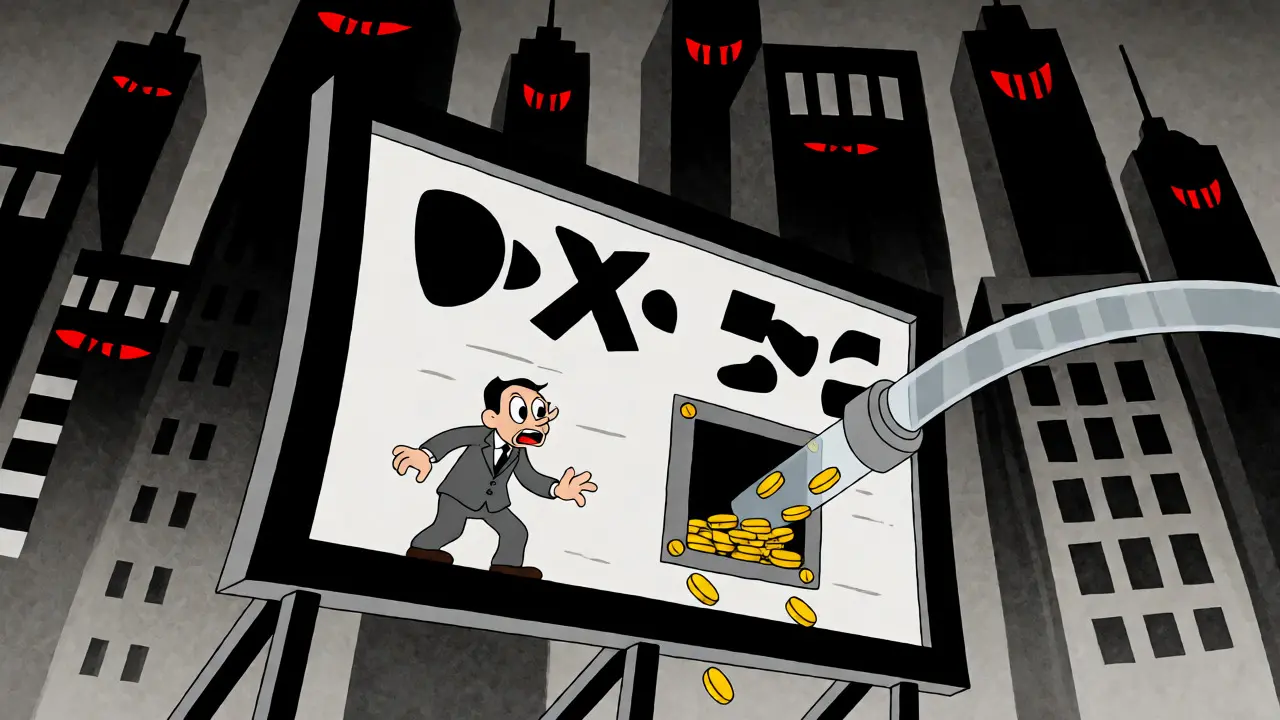
You post a viral thread on X. It gets millions of views. You get zero dollars. The platform keeps the ad revenue, owns your audience data, and can ban you tomorrow without warning. This isn't just annoying; it's a broken economic model. Decentralized Social Media (DeSoc) flips this script by letting creators capture value directly from their audience through tokens, NFTs, and subscriptions.
If you are a creator wondering how to actually make money outside the walled gardens of Instagram or TikTok, you need to understand the mechanics of DeSoc monetization. It is not magic, but it is mathematically transparent. Here is how the new economy works, which platforms pay best, and what you need to set up today.
The Core Shift: From Ad Revenue to Direct Value Transfer
Traditional social media operates on an attention-economy model where users are the product. You give them your time and data; they sell ads to brands. Your cut is negligible unless you hit massive scale. In contrast, decentralized platforms use blockchain rails to enable direct peer-to-peer transactions. There is no middleman taking a 30% cut before paying you. The rules are coded into smart contracts, meaning transparency is non-negotiable.
This shift changes the incentive structure entirely. Instead of chasing algorithmic virality for ad impressions, you chase genuine community engagement that translates into financial support. If ten people tip you $1 each, you made $10. On Web2, those ten likes might generate $0.001 in ad revenue for the platform, and nothing for you. The barrier to entry is higher because you need a crypto wallet, but the ceiling for early adopters is significantly higher too.
Key Monetization Mechanisms in DeSoc
Most decentralized platforms rely on three primary revenue streams. Understanding these helps you choose where to build your presence.
- Tipping and Micro-transactions: Followers send small amounts of cryptocurrency (ETH, SOL, POL) or stablecoins directly to your wallet. This happens instantly with low fees on Layer-2 networks like Polygon or Optimism.
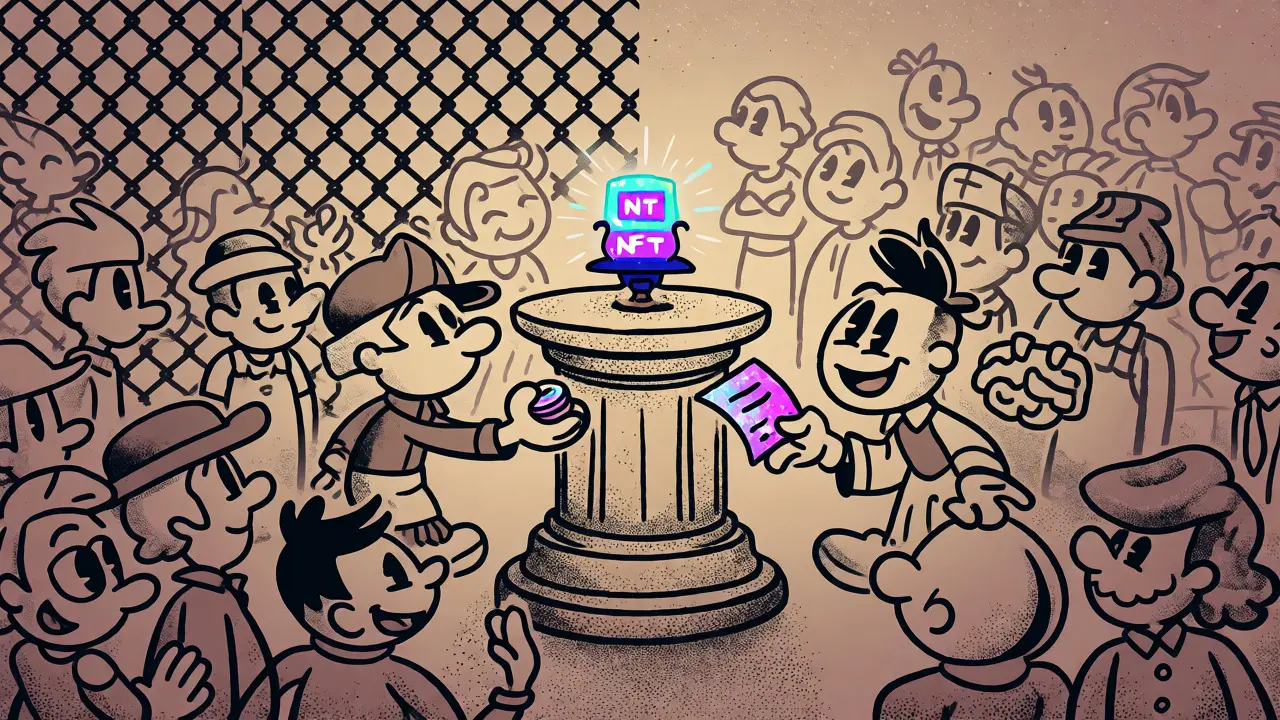
- Content Collectibles (NFTs): Platforms allow users to "collect" posts as NFTs. When someone buys your tweet or image as a collectible, you receive a percentage of the sale price automatically via smart contract royalties.
- Creator Coins and Subscriptions: Some protocols let you issue your own token or offer paid access to exclusive content. Holders of your coin often get perks, creating a loyalty loop similar to Patreon but without platform lock-in.

Platform Breakdown: Where the Money Is Flowing
Not all decentralized networks are equal. Some prioritize privacy, others focus on identity, and some are built purely for speculation. Here is how the major players handle monetization right now.
| Platform | Blockchain | Primary Monetization Model | Best For |
|---|---|---|---|
| Lens Protocol | Polygon | 5% fee on collections; direct tipping | Artists, writers, long-form content |
| Farcaster | Optimism | $0.01 post fee; DEGEN token tipping | Crypto-native communities, memes |
| Bluesky | AT Protocol (Hybrid) | Currently free; future app-based models | Mainstream migration, journalists |
| Mastodon | Federated (No Chain) | Server donations; external links | Niche communities, privacy-focused users |
| Diamond App | DeSo | Creator Coins; buy/sell user reputation | Speculators, high-engagement influencers |
Lens Protocol: Owning Your Social Graph
Lens Protocol is a composable social graph on Polygon that allows creators to fully own their connections and content. Its standout feature is the "Collect" function. When a user collects your post, it mints an NFT. You earn a royalty every time that NFT is resold on secondary markets. Because it runs on Polygon, gas fees are fractions of a cent, making micro-monetization viable. If you are an artist or writer, Lens offers the most robust toolset for recurring revenue.
Farcaster: The Crypto-Native Hub
Farcaster takes a different approach by charging a nominal $0.01 fee per post to prevent spam. This creates a quality-first environment. While posting costs money, the tipping culture is strong, driven by the DEGEN token. Users often tip creators in DEGEN for funny or insightful content. These tips can be substantial if you tap into the right sub-communities. Farcaster is ideal if you already have a crypto-following or want to build one quickly.
Mastodon and Bluesky: The Federated Approach
Mastodon doesn't have native token monetization yet because it is federated rather than blockchain-based. However, many servers allow admins to accept donations, and creators drive traffic to external Patreon or Ko-fi pages. Bluesky, while not fully decentralized in the same way as Lens, uses the AT Protocol to allow account portability. Currently, monetization is indirect, but its rapid growth suggests future app-layer monetization features will emerge soon.
Getting Started: The Technical Setup
You cannot ignore the learning curve. Moving from Web2 to DeSoc requires setting up digital infrastructure. Here is your checklist:
- Get a Wallet: Install MetaMask or Rabby. Ensure you have ETH on the mainnet for bridging, plus small amounts of MATIC (Polygon) or ETH on Optimism for network fees.
- Understand Gas Fees: Learn when to transact. On Ethereum mainnet, fees spike during congestion. On Polygon or Optimism, they remain low, allowing you to tip or mint frequently without eating into profits.
- Bridge Funds: Use a bridge to move funds from your exchange to the correct Layer-2 network. Most platforms provide guides for this.
- Connect and Verify: Link your wallet to the platform. Some require a small deposit or a referral code to join, especially Farcaster.
Don't let the tech scare you off. Once set up, the interface feels like standard social media. The difference is invisible until you check your wallet balance.
Risks and Realities
Is it all upside? No. Volatility is real. If you hold tips in volatile tokens like ETH or DEGEN, your earnings can swing wildly. Smart creators convert significant earnings to stablecoins (USDC/USDT) immediately to preserve value. Additionally, liquidity varies. A niche post on Lens might get zero collections simply because fewer active buyers exist compared to Twitter. You must actively market your DeSoc presence to cross-pollinate audiences from Web2.
Another risk is technical fragmentation. If a protocol shuts down, do you lose your data? With Lens and Farcaster, your social graph lives on-chain, so it persists even if specific apps disappear. With Mastodon, your data is on the server you chose; if that server goes offline, you may lose history unless you backed it up.
Strategic Advice for Creators
Start small. Don't abandon Twitter or LinkedIn overnight. Create a profile on Lens or Farcaster and cross-post your best content. Include a call-to-action: "Tip me on Lens" or "Collect this thread." Track which platform yields the highest return per hour spent. Early adopters in 2026 are seeing 5-10x higher engagement rates on DeSoc platforms due to lower noise levels.
Engage with the community, don't just broadcast. In DeSoc, replies and comments matter more than likes. Join DAO discussions, participate in governance votes, and build relationships. Community-centric growth rewards consistency over virality. Over time, your audience becomes invested in your success-literally, if they hold your creator coins or NFTs.
Do I need to know coding to monetize on decentralized social media?
No. While developers build the protocols, creators use user-friendly interfaces. Setting up a wallet and connecting it to platforms like Lens or Farcaster requires basic browser skills, similar to signing up for a new app. Complex tasks like deploying smart contracts are handled by the platform backend.
Which blockchain has the lowest fees for social media transactions?
Polygon (used by Lens Protocol) and Optimism (used by Farcaster) currently offer the lowest transaction fees, typically costing less than $0.01 per interaction. This makes micro-tipping and frequent posting economically viable compared to Ethereum Mainnet, where fees can exceed $5-$10 during peak times.
Can I take my followers with me if a platform shuts down?
Yes, this is the core promise of decentralized social. On platforms like Lens and Farcaster, your social graph (followers and following) is stored on the blockchain. If the current app interface disappears, you can connect your wallet to a new client application and retain your connections and content ownership.
How does tax reporting work for crypto tips?
In most jurisdictions, crypto received as income is taxed at its fair market value at the time of receipt. You should keep records of timestamps and USD values for every tip or collection reward. Many creators use accounting software specifically designed for crypto to track these micro-transactions efficiently.
Is decentralization enough to guarantee privacy?
Not necessarily. Public blockchains are transparent ledgers. Anyone can see your transaction history and wallet activity. To enhance privacy, creators often use separate wallets for public interactions and private holdings, or utilize layer-2 solutions with better privacy features. True anonymity requires additional tools beyond just using a decentralized platform.