What is BRC20.com (.COM) Crypto Coin? Utility & Protocol Explained
Oct, 17 2026
Bitcoin used to be simple. You bought it, held it, and hoped the price went up. That era ended on September 1, 2025. On that day, a major upgrade embedded Ethereum Virtual Machine (EVM) functionality directly into Bitcoin’s base layer. Suddenly, Bitcoin wasn't just digital gold; it became a programmable financial platform. Into this new landscape stepped BRC20.com, claiming to offer the first BRC-20 token with true utility for its holders.
If you've seen the ticker .COM popping up in your wallet or on trading platforms, you might be wondering: what is this thing, and does it actually do anything beyond speculation? This guide breaks down the tech, the utility, and the risks of the .COM token without the usual crypto jargon overload.
The Core Concept: What Is BRC-20?
To understand .COM, you first need to grasp the underlying standard: BRC-20. Think of BRC-20 as a set of rules that allows people to create fungible tokens on the Bitcoin blockchain. It’s similar to how ERC-20 works on Ethereum, but the mechanics are totally different.
Unlike Ethereum, which uses smart contracts written in Solidity, BRC-20 relies on something called Ordinal inscriptions. Here’s how it works in plain English:
- Satoshis: The smallest unit of Bitcoin.
- Inscriptions: Data attached to specific satoshis using the Taproot upgrade.
- JSON Files: Instead of code, BRC-20 tokens use simple JSON text files to define supply limits and minting rules.
This method makes creating tokens incredibly easy-no complex coding required-but it also means these tokens don’t have native smart contract logic running on-chain. They rely on off-chain indexers to keep track of who owns what. It’s a trade-off between simplicity and complexity.
Enter BRC20.com: More Than Just Another Token
Most BRC-20 tokens launched in the early days were pure memes. DogeCoin derivatives, cat pictures, random acronyms. BRC20.com tried to change that narrative by positioning itself as an infrastructure play rather than a meme coin.
The project launched as a comprehensive ecosystem offering several key services designed to solve actual problems in the Bitcoin DeFi space:
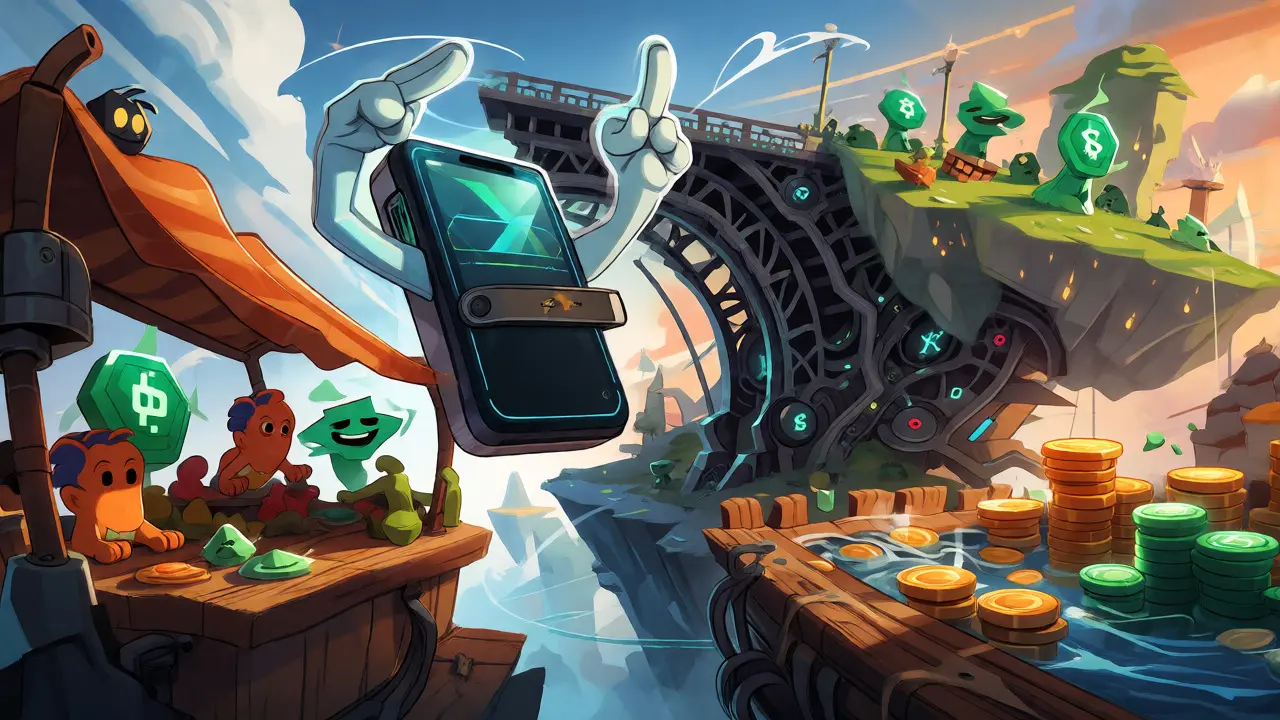
- Mobile Wallet: A dedicated interface for managing BRC-20 assets on the go.
- Cross-Chain Bridge: Allows moving value between Bitcoin and other networks like Ethereum or Solana.
- Multi-Mint Operations: Tools to streamline the process of acquiring multiple tokens at once.
- Marketplace Services: A hub for trading BRC-20 assets.
- Staking Mechanisms: Ways to earn yield on holdings.
The .COM token serves as the fuel for this machine. It’s not just a speculative asset; it’s intended to power governance, pay for certain fees within the ecosystem, and reward users who stake their coins.
Why Did .COM Launch? The 2025 Context
You can’t separate .COM from the broader context of late 2025. Before the EVM integration on Bitcoin, participating in DeFi meant locking your BTC in a bridge, getting wrapped BTC on another chain, and praying the bridge didn’t get hacked. It was clunky and risky.
The September 2025 upgrade changed the game. By allowing EVM-like functionality on Bitcoin, developers could build decentralized exchanges (DEXs), lending protocols, and NFT markets natively on the Bitcoin network. BRC20.com emerged right in this window of opportunity. They weren't just launching a token; they were building the rails for this new Bitcoin-native economy.
Industry observers described this shift as "momentous." For the first time, you could potentially earn yield on Bitcoin without leaving the Bitcoin network. BRC20.com aimed to capture the user flow for this new activity by providing the easiest entry point via their mobile app and API-driven discovery tools.
| Feature | BRC-20 (.COM) | ERC-20 (Standard) |
|---|---|---|
| Blockchain | Bitcoin | Ethereum |
| Creation Method | Ordinal Inscriptions (JSON) | Smart Contracts (Solidity) |
| Complexity | Low (No coding needed) | High (Requires development) |
| Security Base | Bitcoin Proof-of-Work | Ethereum Proof-of-Stake |
| Programmability | Limited (Off-chain indexing) | High (Native execution) |
Key Features and Utility of the .COM Token
So, what do you actually do with .COM? The team behind BRC20.com claims their staking mechanism is "gasless," meaning you don’t pay high transaction fees every time you claim rewards. This is a significant pain point for Bitcoin users, where transaction costs can spike during network congestion.
Here’s how the utility loop is supposed to work:
- Acquire .COM: Buy the token on supported exchanges or mint it if supply remains.
- Stake: Lock your tokens in the BRC20.com platform.
- Farm Rewards: Earn additional tokens or fees generated by the platform’s marketplace and bridge services.
- Governance: Use voting rights to influence future updates to the protocol.
The cross-chain bridge is arguably the most critical technical feature. Historically, Bitcoin has been isolated from the rest of DeFi. If you wanted to lend your BTC, you had to move it to a centralized exchange or use a trust-based bridge. BRC20.com’s solution attempts to make this interoperability smoother, reducing reliance on external custodians.
Risks and Limitations You Should Know
It’s tempting to look at the "first mover" advantage and assume everything will go smoothly. But let’s be real about the downsides.
1. Experimental Nature: BRC-20 is still young. The standard isn’t finalized in the same way ERC-20 has been for years. Changes in how indexers interpret data could theoretically affect token balances or transferability.
2. Scalability Issues: Bitcoin blocks fill up fast. When hundreds of thousands of people try to mint or transfer BRC-20 tokens simultaneously, transaction fees skyrocket. While BRC20.com tries to mitigate this with gasless staking, the base layer congestion remains a bottleneck.
3. Centralization Risks: Because BRC-20 relies on off-chain indexers, there’s a risk of discrepancy. If the indexer goes down or changes its logic, your view of your balance might not match the raw blockchain data until the system recovers.
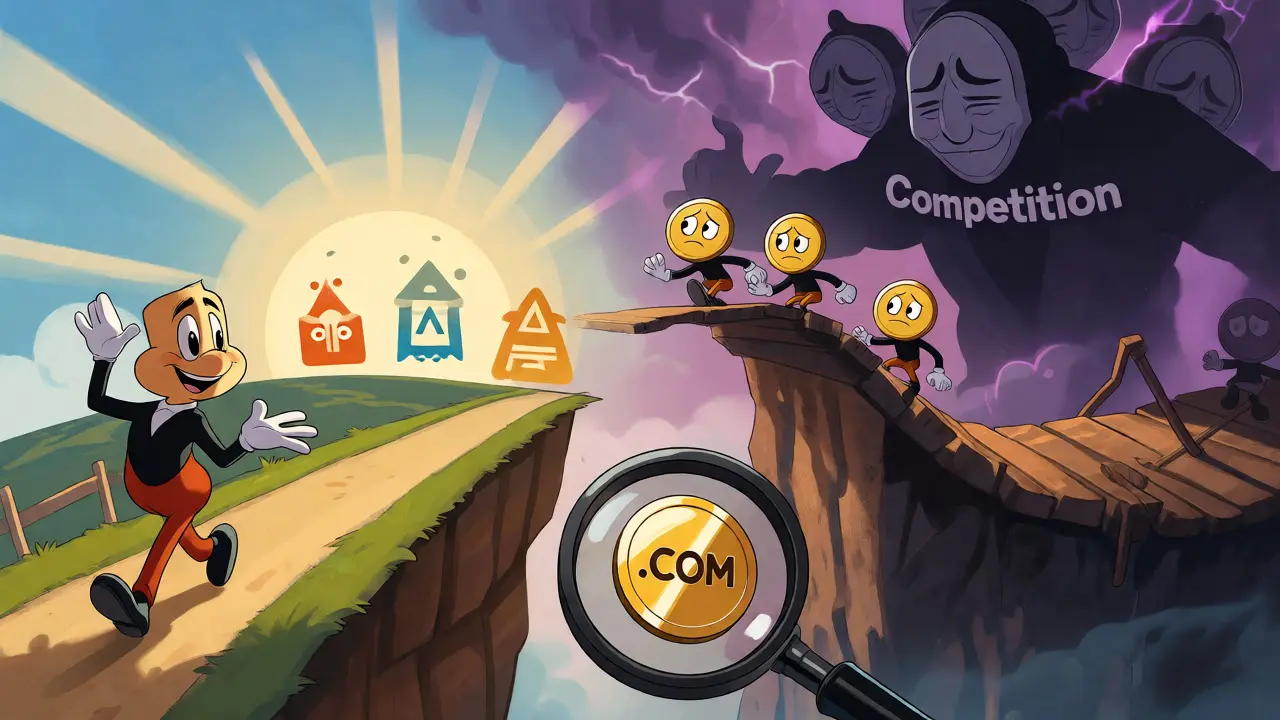
4. Competition: BRC20.com isn’t alone. Other platforms like UniSat, OKX, and various DAOs are building similar infrastructure. The race for liquidity and user attention is fierce.
How to Get Started with .COM
If you’re curious enough to test the waters, here’s a practical checklist for engaging with the ecosystem:
- Wallet Support: Ensure your wallet supports Ordinals and BRC-20 tokens. Popular options include Xverse, Leather, and the official BRC20.com mobile wallet.
- Buy BTC First: Remember, all transactions happen on Bitcoin. You need BTC to pay for network fees, even if you’re buying .COM.
- Verify Contract Address: Scams are rampant. Always double-check the inscription ID or contract address on a reputable explorer before sending funds.
- Start Small: Given the experimental nature, only invest what you can afford to lose while learning the mechanics.
The Future Outlook
Is .COM going to replace ETH? Probably not. But its existence signals a permanent shift in how we view Bitcoin. The narrative has moved from "store of value" to "programmable money." Platforms like BRC20.com are testing whether users actually want to use Bitcoin for more than just holding.
As more developers deploy EVM-compatible apps on Bitcoin, the demand for infrastructure tokens like .COM could grow. However, success depends entirely on adoption. If the BRC20.com platform becomes the go-to place for discovering new mints and bridging assets, the token accrues value through usage. If it fades into obscurity among dozens of competitors, it becomes another dead link in the graveyard of crypto history.
For now, watch the volume on their marketplace and the number of active stakers. Those metrics tell you more about the project's health than any roadmap promise ever could.
What is the difference between BRC-20 and ERC-20?
BRC-20 tokens exist on the Bitcoin blockchain using ordinal inscriptions and JSON data, while ERC-20 tokens live on Ethereum using smart contracts. BRC-20 is simpler to create but less programmable, whereas ERC-20 offers robust smart contract capabilities but requires more technical expertise to deploy.
Is BRC20.com a scam?
There is no evidence suggesting BRC20.com is a scam. It is a legitimate platform offering wallet, bridge, and staking services. However, like all crypto projects, it carries investment risk due to market volatility and the experimental nature of the BRC-20 standard. Always do your own research.
Can I send .COM tokens to any Bitcoin wallet?
Not exactly. While the tokens reside on the Bitcoin blockchain, standard Bitcoin wallets may not display them correctly because they don't recognize the inscription data. You should use a wallet specifically designed to support Ordinals and BRC-20 tokens, such as Xverse or Leather, to view and manage your .COM holdings.
Why did BRC-20 launch on Bitcoin?
The goal was to unlock Bitcoin's massive liquidity for decentralized finance applications. By enabling token creation on Bitcoin, users can access DeFi yields without leaving the security of the Bitcoin network, especially after the EVM integration upgrade in 2025.
What is the total supply of .COM tokens?
Token supplies for BRC-20 assets are defined in their initial deployment inscription. You should check the latest data on a BRC-20 explorer or the official BRC20.com website, as circulating supply can change based on minting activity and burn mechanisms implemented by the protocol.