Staying Informed About Changing Crypto Regulations Worldwide: A 2026 Guide
Nov, 11 2026
Remember the panic of 2024? The fear that one aggressive lawsuit from Washington could wipe out your favorite exchange overnight? If you’re holding Bitcoin or building a DeFi protocol today, in late 2026, that anxiety has shifted. It hasn’t disappeared, but it’s changed shape. We aren’t just dodging enforcement actions anymore; we’re navigating a complex, fragmented map of global rules. Staying informed about changing crypto regulations worldwide isn’t just for lawyers in suits. It’s survival skill #1 for anyone with digital assets.
The landscape looks drastically different than it did two years ago. The United States moved away from "regulation by enforcement" toward actual legislative frameworks. The European Union fully implemented its massive rulebook. Asia positioned itself as a regulated hub for innovation. But here’s the catch: none of these regions speak the same language. A token compliant in Singapore might be illegal to trade in New York. Keeping up requires more than reading headlines; it requires understanding the structural shifts happening right now.
The US Shift: From Enforcement to Frameworks
If you watched the news in early 2025, you saw the tides turn. The Trump administration issued an executive order creating an inter-agency task force aimed at providing regulatory clarity. This wasn't just talk. By February 2025, the SEC was actively closing investigations into major platforms like OpenSea and Robinhood without taking further action. They even dismissed claims against Coinbase. Most notably, they announced memecoins would no longer be considered securities subject to their oversight.
This shift signaled a move toward specific rules rather than retroactive punishment. However, don’t mistake this for a free-for-all. Legislative progress accelerated with bills like the Stablecoin Trust Act, which introduced federal licensing requirements for stablecoin issuers. These issuers now face strict reserve transparency mandates overseen by the Federal Reserve and the Office of the Comptroller of the Currency (OCC). Simultaneously, the Financial Innovation and Technology for the 21st Century (FIT) Act progressed through committee stages, proposing a dual-regulatory framework. Under this model, the SEC handles securities-like tokens, while the CFTC oversees commodities. This aims to resolve the jurisdictional turf war that plagued the industry for years.
Yet, fragmentation remains a headache. While federal guidance softened, state-level money transmitter licensing requirements vary wildly. Some states remain crypto-friendly; others impose heavy compliance burdens. For businesses operating nationwide, this creates a patchwork of conflicting obligations. You might be compliant federally but stuck in legal limbo in California or New York. Always check state-specific rules before moving capital across borders within the US.
Europe’s MiCAR: The Gold Standard?
Across the Atlantic, the European Union took a different path. The Markets in Crypto-Assets Regulation (MiCAR is a comprehensive EU regulation establishing harmonized rules for crypto-asset service providers, issuers, and market operators) reached full implementation throughout 2025 and into 2026. Unlike the US approach, which often reacts to market developments, MiCAR proactively set standards for consumer protection, capital requirements, and operational transparency.
For users, this means exchanges operating in the EU must hold licenses, segregate client funds, and provide extensive documentation. It’s stricter, yes, but it offers predictability. Major financial centers like Paris and Frankfurt competed fiercely to attract digital asset businesses by offering streamlined licensing processes while adhering to MiCAR’s rigorous standards. If you’re trading on a platform based in Europe, you likely benefit from higher consumer protections compared to unregulated offshore exchanges.
However, compliance isn’t cheap. Smaller projects struggled to meet the capital and reporting demands of MiCAR during the transitional period. Some chose to exit the EU market entirely. Others partnered with larger, licensed entities to gain access. If you’re evaluating an exchange, look for their MiCAR license number. It’s a quick way to verify they’ve passed significant regulatory hurdles.

Asia’s Rise as Regulated Hubs
While the West debated, Asia acted. Hong Kong SAR and Singapore emerged as leading voices in balancing innovation with risk management. Hong Kong introduced new licensing regimes for exchanges, including over-the-counter trading and custody services. Their regulators actively reviewed rules for crypto derivatives and lending, drafting strict stablecoin requirements to ensure stability in a high-volatility sector.
Singapore finalized its stablecoin framework and maintained rigorous licensing requirements for crypto firms. The goal? To attract international crypto businesses while maintaining regulatory integrity. These jurisdictions didn’t ban crypto; they invited it in, provided it followed clear rules. This approach contrasts sharply with China’s continued restrictions and highlights a growing trend: Asian financial centers are positioning themselves as safe havens for institutional capital seeking regulated exposure to digital assets.
If you’re looking for reliable liquidity and professional-grade infrastructure, Asian hubs are increasingly competitive. But remember, local rules apply. Trading on a Singaporean platform doesn’t automatically mean you’re exempt from tax obligations in your home country. Consult a local tax advisor who understands cross-border digital asset transactions.
The Global Coordinators: BIS, FSB, and FATF
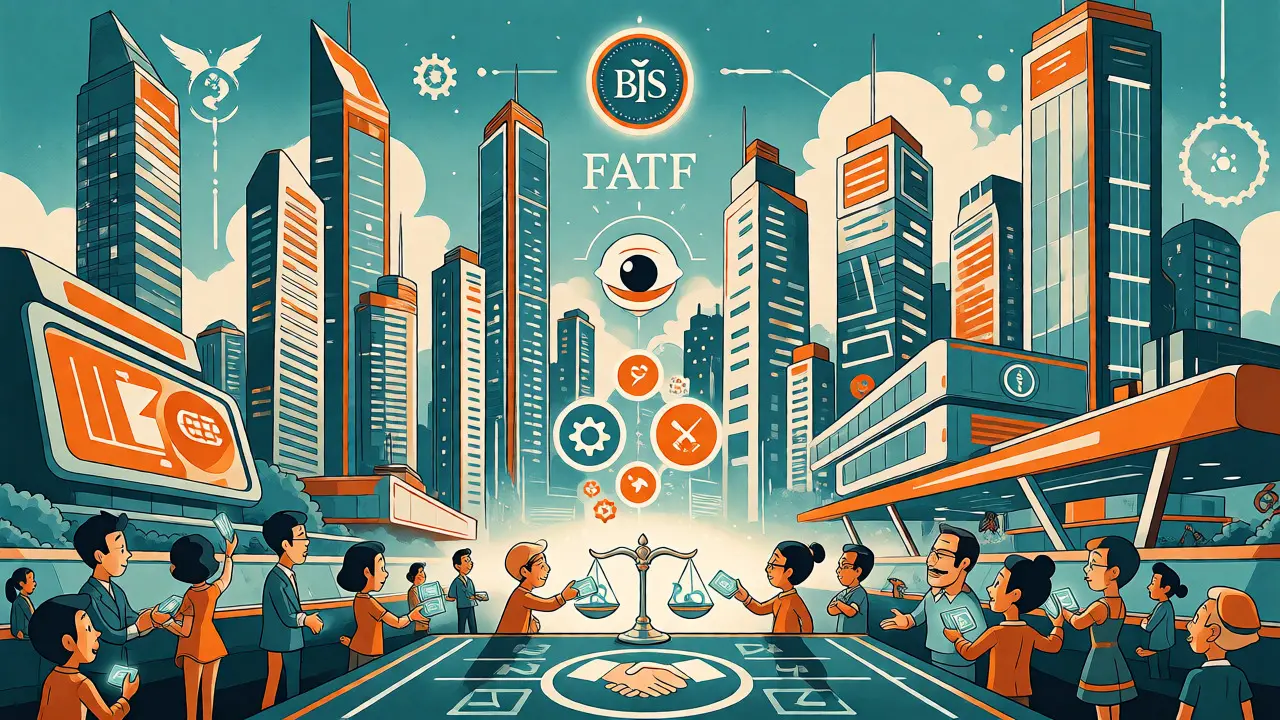
National laws are only half the story. International bodies play a crucial role in shaping how countries interact regarding crypto. The Bank for International Settlements (BIS acts as the central bank coordination body developing frameworks for Central Bank Digital Currencies and stablecoins) continues to issue reports on stablecoin arrangements and their systemic implications. Meanwhile, the Basel Committee on Banking Supervision (BCBS) advanced its framework governing bank exposure to crypto assets, setting capital requirements for traditional banks engaging with digital assets.
The Financial Stability Board (FSB) provides high-level recommendations to ensure consistent approaches across jurisdictions. Perhaps most impactful for daily traders is the Financial Action Task Force (FATF). As the global authority on anti-money laundering, FATF updated its guidance to emphasize "travel rule" compliance. This requires exchanges to share sender and receiver information for transfers above certain thresholds. It’s a privacy trade-off many accept for greater security and interoperability.
| Region/Body | Primary Focus | Key Legislation/Framework | Impact on Users |
|---|---|---|---|
| United States | Clarity via Legislation | FIT Act, Stablecoin Trust Act | Clearer classification of tokens; reduced enforcement fear. |
| European Union | Consumer Protection | MiCAR | High safety standards; mandatory licensing for exchanges. |
| Hong Kong/Singapore | Innovation + Control | Licensing Regimes | Access to institutional-grade platforms; strict KYC. |
| FATF/BIS | Global Coordination | Travel Rule, CBDC Frameworks | Standardized reporting; smoother cross-border transfers. |
Practical Steps to Stay Ahead
You don’t need a law degree to stay informed, but you do need a strategy. Here’s how to keep your portfolio safe in this evolving landscape:
- Follow Primary Sources: Don’t rely solely on Twitter influencers. Check official announcements from the SEC, ESMA (for EU), and MAS (for Singapore). Sign up for email alerts from these agencies.
- Understand Token Classification: Is your asset treated as a security or a commodity? In the US, this distinction affects tax treatment and trading venues. Use resources from reputable legal firms specializing in digital assets.
- Monitor Stablecoin Reserves: With new transparency laws, major stablecoins like USDC and USDT publish regular audits. Check these reports quarterly. If reserves look shaky, consider diversifying.
- Watch for Travel Rule Updates: If you send large amounts across borders, expect more identity verification steps. Have your documents ready to avoid delays.
- Diversify Jurisdictions: Don’t keep all your eggs in one basket. Consider holding assets in wallets or accounts under different regulatory regimes to mitigate regional policy risks.
One common pitfall is assuming that because regulations are clearer, they are static. They aren’t. DeFi protocols, NFTs, and emerging blockchain applications constantly challenge existing definitions. Regulators are playing catch-up. What’s compliant today might require adjustment tomorrow. Flexibility is key.
What’s Next? Trends to Watch
Looking ahead, expect intensified international coordination. Cross-border transaction monitoring will become tighter. The success of Asian hubs may influence other nations to adopt similar balanced approaches. However, the fundamental tension between borderless digital assets and territorial laws remains unresolved. Expect continued evolution, not finality.
Also, keep an eye on private litigation. Even with relaxed federal enforcement in the US, civil lawsuits against exchanges and issuers continue. These cases can set precedents that affect your rights as a user. Reading summaries of major court decisions can provide insights into how judges interpret smart contracts and custodial responsibilities.
Staying informed isn’t a one-time task. It’s an ongoing habit. Set aside time monthly to review regulatory updates. Join community forums where professionals discuss compliance changes. Your awareness is your best defense against unexpected shocks.
Why did the SEC stop treating memecoins as securities?
In early 2025, the SEC announced that memecoins would no longer be considered securities subject to their oversight. This decision reflected a shift toward focusing regulatory resources on assets with clear investment contract characteristics, acknowledging that many memecoins function more as utility tokens or collectibles without the expectation of profits derived primarily from the efforts of others.
How does MiCAR affect non-EU citizens trading on European exchanges?
MiCAR applies to any service provider operating within the EU. Non-EU citizens using licensed European exchanges benefit from the same consumer protections, such as segregated funds and transparent fee structures. However, you must still comply with your home country's tax and reporting laws. The exchange's compliance with MiCAR does not exempt you from local obligations.
What is the "Travel Rule" in crypto?
The Travel Rule, promoted by the FATF, requires financial institutions to pass along information relating to the originator and beneficiary of a fund transfer. In crypto, this means exchanges must share sender and receiver details for transactions above certain thresholds. This enhances transparency and helps combat money laundering but adds friction to cross-border transfers.
Are stablecoins safer now due to new regulations?
Yes, generally. New frameworks like the US Stablecoin Trust Act and EU MiCAR mandate strict reserve transparency, segregated reserves, and regular audits. This reduces the risk of issuer insolvency compared to earlier periods when some stablecoins lacked clear backing. Always verify the latest audit reports before relying heavily on a specific stablecoin.
Do I need to pay taxes differently if my token is classified as a commodity?
Classification matters significantly. In the US, commodities are often taxed differently than securities, particularly regarding futures contracts and potential exemptions for small gains. However, tax codes are complex and vary by jurisdiction. Consult a certified public accountant familiar with digital assets to determine your specific liability based on current classifications.