New York Crypto Regulations: What You Need to Know About Trading, Taxes, and Compliance
When it comes to New York crypto regulations, the strictest and most complex set of crypto rules in the United States, enforced by the New York State Department of Financial Services (NYDFS). Also known as BitLicense framework, it requires every crypto business operating in New York to get licensed—or risk fines, shutdowns, or criminal charges. This isn’t just about exchanges. If you’re running a crypto ATM, offering staking services, or even accepting crypto as payment in NYC, you’re likely under these rules.
The BitLicense, a mandatory permit issued by NYDFS for any crypto business serving New York residents. Also known as crypto business license, it forces companies to prove they have anti-money laundering controls, cybersecurity plans, and capital reserves. That’s why you won’t find many small or offshore exchanges listed on New York’s approved BitLicense holder list—most just block New York users entirely. And it’s not just businesses. If you trade crypto in New York, you’re still on the hook for crypto taxes, a federal and state obligation where every trade, swap, or sale triggers a taxable event. Also known as cryptocurrency capital gains, it’s tracked by the IRS and enforced by New York’s Department of Taxation and Finance. No one’s checking your wallet, but if you get audited and can’t prove your cost basis, you’ll owe back taxes, penalties, and interest.
Compliance isn’t optional. The NYDFS, the state agency that writes and enforces crypto rules in New York. Also known as New York State Department of Financial Services, it has fined companies like Bitfinex and Coinseed millions for operating without a license. It’s also the reason why platforms like Kraken and Gemini had to delay services in New York for years—and why some crypto apps still don’t let you trade from a New York IP address. Even if you’re just holding crypto, you need to know what’s legal. Mining? Fine. Using a non-BitLicense exchange? Risky. Airdropping tokens to New York residents? That’s a red flag. And if you’re a developer building a DeFi app? You can’t ignore this—New York can sue you even if your server is in Texas.
There’s no way around it: if you’re in New York and involved with crypto, you’re in a high-regulation zone. That means more paperwork, fewer platforms to choose from, and higher compliance costs. But it also means more protection—BitLicense holders are held to higher standards than most U.S. exchanges. You won’t find shady platforms here. You won’t see fake airdrops or unregulated lending apps. The rules are tough, but they filter out the worst actors.
Below, you’ll find real reviews and breakdowns of exchanges, tokens, and scams that either comply with New York rules—or blatantly ignore them. Some posts show you which platforms actually let New Yorkers trade. Others warn you about fake apps that pretend to be legal. You’ll see how BitLicense impacts token listings, how crypto taxes hit your wallet, and why some projects refuse to serve New York at all. This isn’t theory. It’s what’s happening right now—and what you need to know before you trade, invest, or build anything in crypto here.
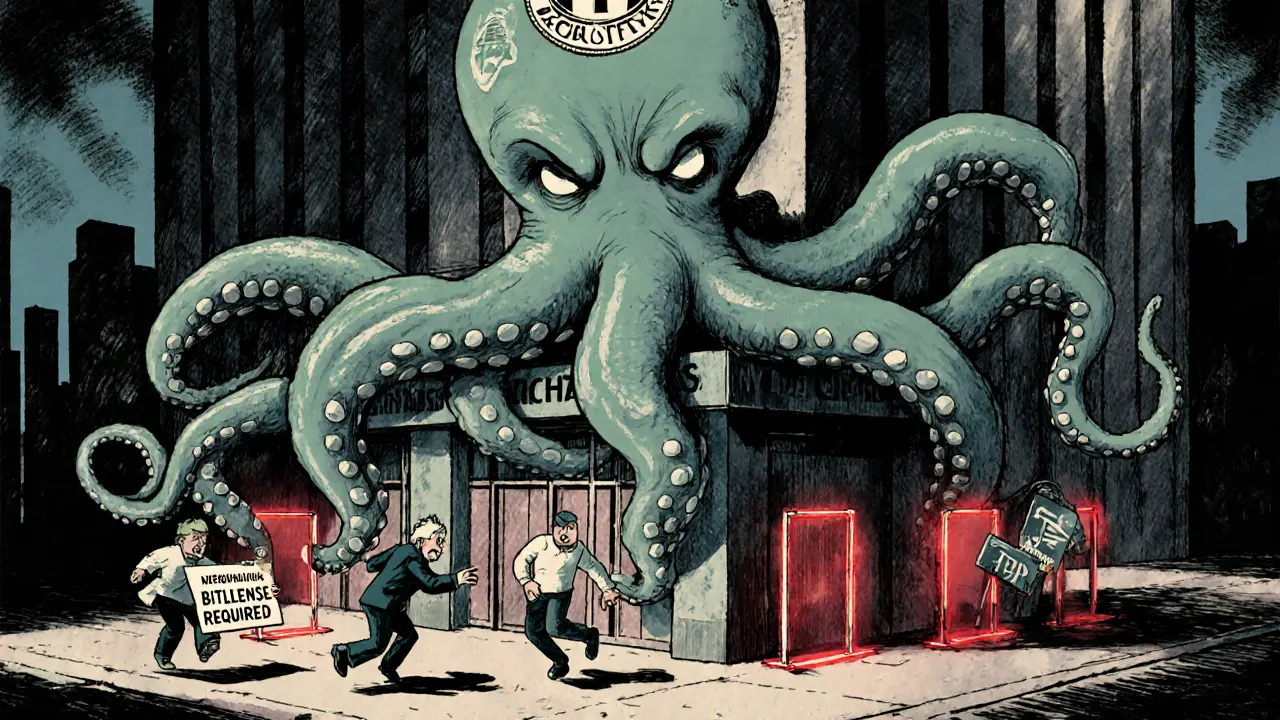
BitLicense Requirements for Crypto Businesses in New York: What You Need to Know in 2025
Caius Merrow Nov, 22 2025 0The BitLicense is New York’s strict crypto business license requiring capital reserves, cybersecurity, and compliance with AML/KYC rules. Only seven major exchanges are licensed as of 2025. Learn the costs, requirements, and alternatives.
More Detail