NFT vs Cryptocurrency: Key Differences and What Really Matters
When people talk about NFTs, unique digital assets stored on a blockchain that represent ownership of something specific, like art, music, or virtual land. Also known as non-fungible tokens, they’re not meant to be traded like money—they’re collectibles with proof of authenticity. Most folks mix them up with cryptocurrency, digital money built on blockchain technology that acts as a medium of exchange, like Bitcoin or Ethereum. Also known as crypto coins, they’re designed to be interchangeable, divisible, and used for payments or investments. But here’s the thing: they’re not the same. One is money. The other is ownership.
Think of cryptocurrency like cash in your wallet. You can send $10 to a friend, split it into smaller amounts, and use it to buy coffee or swap it for another coin. NFTs? Those are more like limited-edition concert tickets or signed baseball cards. You can’t split an NFT. You can’t trade it for equal value like you would a dollar. Each one is one-of-a-kind. That’s why you see people paying tens of thousands for a JPEG of a monkey—it’s not about the image. It’s about who owns it, and whether that ownership is locked into the blockchain forever. That’s the real value. And yes, that’s why NFT metadata matters. If the file behind your NFT is hosted on a server that shuts down, your "ownership" might look real, but the asset could vanish. That’s why some NFTs are built on permanent storage systems like IPFS, while others rely on risky centralized links.
Both NFTs and cryptocurrency live on blockchains, but they serve different roles. Cryptocurrency powers transactions—whether you’re swapping tokens on a decentralized exchange, earning staking rewards, or paying gas fees. NFTs are the assets being bought, sold, or traded using that crypto. You need ETH to buy an NFT, but the NFT itself isn’t ETH. They’re separate layers. That’s why you’ll see posts here about validator nodes, tokenomics, and airdrops—those are mostly about crypto. But when we talk about NFT metadata, fake airdrops, or scams like 1MIL or Bitsoda, we’re diving into the NFT side of things. Both are part of the same ecosystem, but they’re not interchangeable. One moves value. The other represents it.
If you’re trying to figure out where to put your money, or why some projects blow up while others die, you need to understand this split. Is this a currency you’re investing in? Or is it a digital collectible with no real utility? The answer changes everything. Below, you’ll find real reviews, deep dives, and scam alerts that show exactly how these two worlds work—separately, and sometimes, dangerously together.
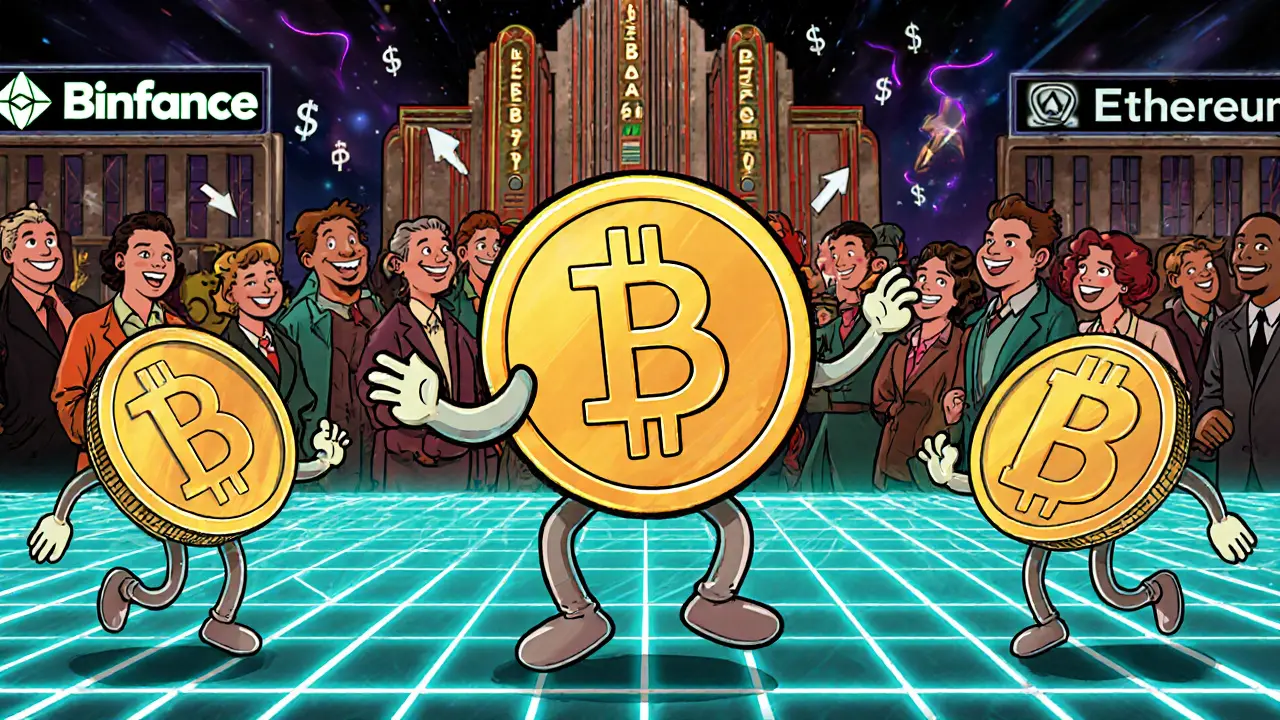
NFT vs Cryptocurrency: Key Differences Explained
Caius Merrow Nov, 29 2025 0NFTs and cryptocurrencies both run on blockchain tech, but they serve completely different purposes. Cryptocurrency is digital money; NFTs are unique digital ownership certificates. Learn the key differences in structure, value, and use cases.
More Detail