NYDFS Crypto Rules: What You Need to Know About New York's Crypto Regulations
When it comes to NYDFS crypto rules, the strict regulatory framework set by the New York State Department of Financial Services that governs digital asset businesses operating in or serving New York residents. Also known as BitLicense, it's not just paperwork—it's a gatekeeper that determines whether a crypto exchange can legally operate in one of the world's biggest financial markets. If you're trading, holding, or building anything with crypto in New York, these rules directly impact you.
The NYDFS, a powerful state-level financial regulator with authority over banks, payment processors, and now digital asset firms doesn't just ask for paperwork—it demands proof of security, anti-money laundering controls, and real financial responsibility. Companies like Coinbase and Gemini had to jump through hoops to get their BitLicense. Others, like Bitfinex and Bittrex, couldn't meet the bar and pulled out of New York entirely. That’s why you won’t find every exchange available in the state. The BitLicense, the specific permit required under NYDFS rules for any business dealing in virtual currencies isn’t just a sticker—it’s a multi-year, multi-million dollar compliance process.
These rules don’t just affect exchanges. If you’re using a crypto wallet app, staking tokens, or even running a crypto ATM in New York, you’re likely under NYDFS scrutiny. The agency has cracked down on unlicensed platforms like Bitsoda and Coinrate—not because they’re scams (though many are), but because they never applied for a license. That’s why the posts below dive into shady exchanges, fake airdrops, and risky tokens: they’re often the ones avoiding regulation entirely. Meanwhile, platforms like COREDAX and Bitaroo focus on compliance because they know the rules are here to stay.
NYDFS crypto rules also influence how tokens are designed. Projects that want to reach New York users have to think harder about transparency, audits, and legal structure. That’s why stablecoins like JUSD get flagged—no audits, no licensing, no NYDFS approval. And why meme coins like PENGU or KORI never get listed on compliant exchanges: they have no team, no utility, and zero chance of meeting compliance standards. Even Tornado Cash, a privacy tool, got sanctioned under NYDFS-aligned federal policy, showing how deeply these rules ripple across the entire crypto ecosystem.
What you’ll find in the posts below isn’t just news—it’s a map of what’s allowed, what’s banned, and what’s dangerously gray. You’ll see how Iranian miners bypass sanctions, how validator nodes secure networks under strict oversight, and why zero-fee exchanges like Digitex and Zeddex are red flags not because they’re cheap, but because they’re unregulated. Whether you’re in New York or just trading with NY-based users, understanding these rules keeps your assets safe and your actions legal. This isn’t about fear—it’s about knowing where the lines are so you don’t accidentally cross them.
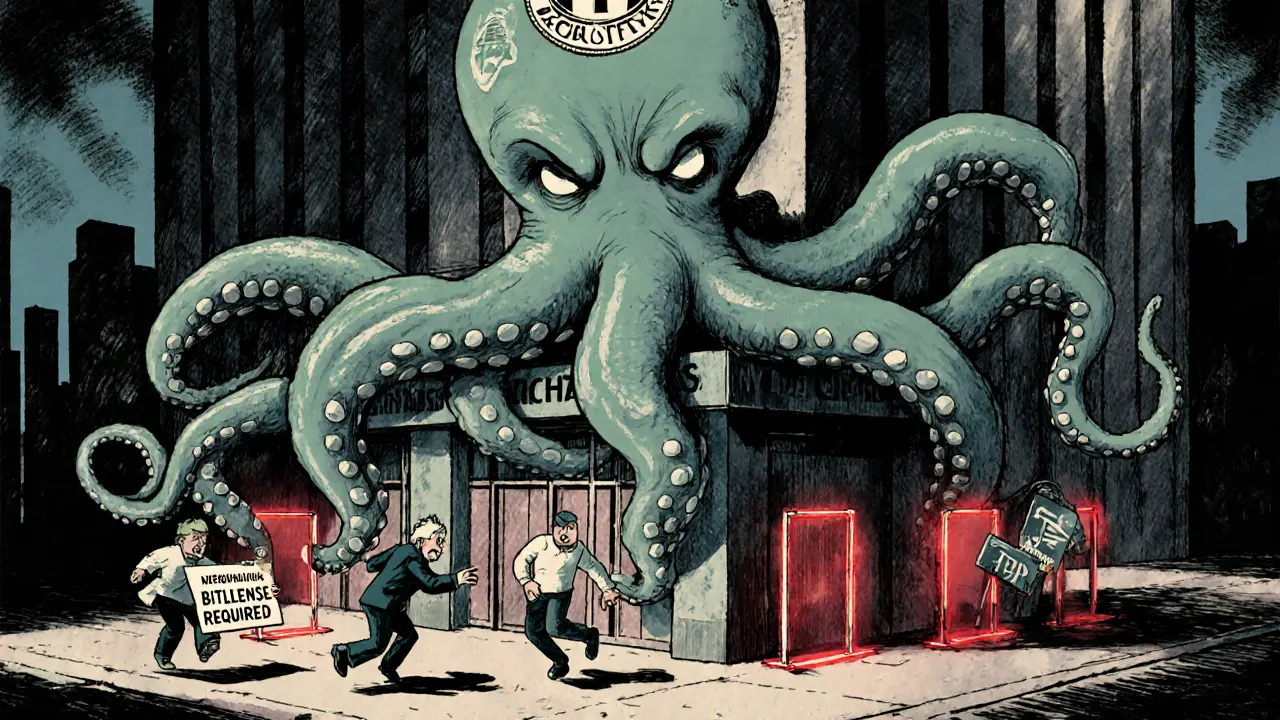
BitLicense Requirements for Crypto Businesses in New York: What You Need to Know in 2025
Caius Merrow Nov, 22 2025 0The BitLicense is New York’s strict crypto business license requiring capital reserves, cybersecurity, and compliance with AML/KYC rules. Only seven major exchanges are licensed as of 2025. Learn the costs, requirements, and alternatives.
More Detail