Open Exchange Token: What It Is, Why It Matters, and Where to Find Real Value
When people talk about Open Exchange Token, a token issued by a decentralized or open-source crypto exchange to reward users, enable governance, or reduce fees. Also known as exchange-native token, it’s not just another coin—it’s the engine that keeps some of the most active crypto platforms running. Unlike tokens tied to a single project or game, Open Exchange Tokens are built into the infrastructure of trading platforms. They’re used to cut trading fees, earn staking rewards, vote on platform upgrades, or even access exclusive airdrops. But here’s the catch: not all of them are created equal.
Some, like BAKE from BakerySwap or SOLO from Sologenic, have real utility and user adoption. Others, like the fake Zedxion or Coinrate tokens you might see promoted on Telegram, are just digital ghosts—no trading volume, no team, no future. The difference? Real Open Exchange Tokens are tied to active exchanges with clear rules, transparent tokenomics, and actual users trading on them. They’re not hype—they’re incentives. And if you’re looking to get the most out of crypto trading, understanding how these tokens work can save you from scams and unlock real savings.
These tokens also connect to other key concepts in crypto. Decentralized exchanges, platforms like Uniswap or PancakeSwap that let you trade directly from your wallet without a middleman. Also known as DEXes, they rely on tokens like these to attract liquidity and keep trading smooth. Then there’s Token utility, how a token is actually used inside its ecosystem—not just held, but spent, staked, or voted with. A token with no use beyond speculation is just a gamble. A token that lowers your fees, gives you voting rights, or lets you earn rewards? That’s value.
You’ll find posts here that cut through the noise. Some explain how BAKE rewards liquidity providers. Others warn you that BULL Finance never had an airdrop—and show you how to spot the next fake. There’s a deep dive into SOLO’s snapshot rules, and a reality check on Manna, a UBI coin that doesn’t work. You’ll also see reviews of real exchanges like Bitaroo and COREDAX, where tokens matter because people actually trade there.
This isn’t about chasing the next moonshot. It’s about understanding what Open Exchange Tokens actually do, who’s behind them, and where they deliver real value. If you’re trading on DEXes, staking, or just trying to avoid losing money to scams, the posts below give you the facts—no fluff, no promises, just what’s real.
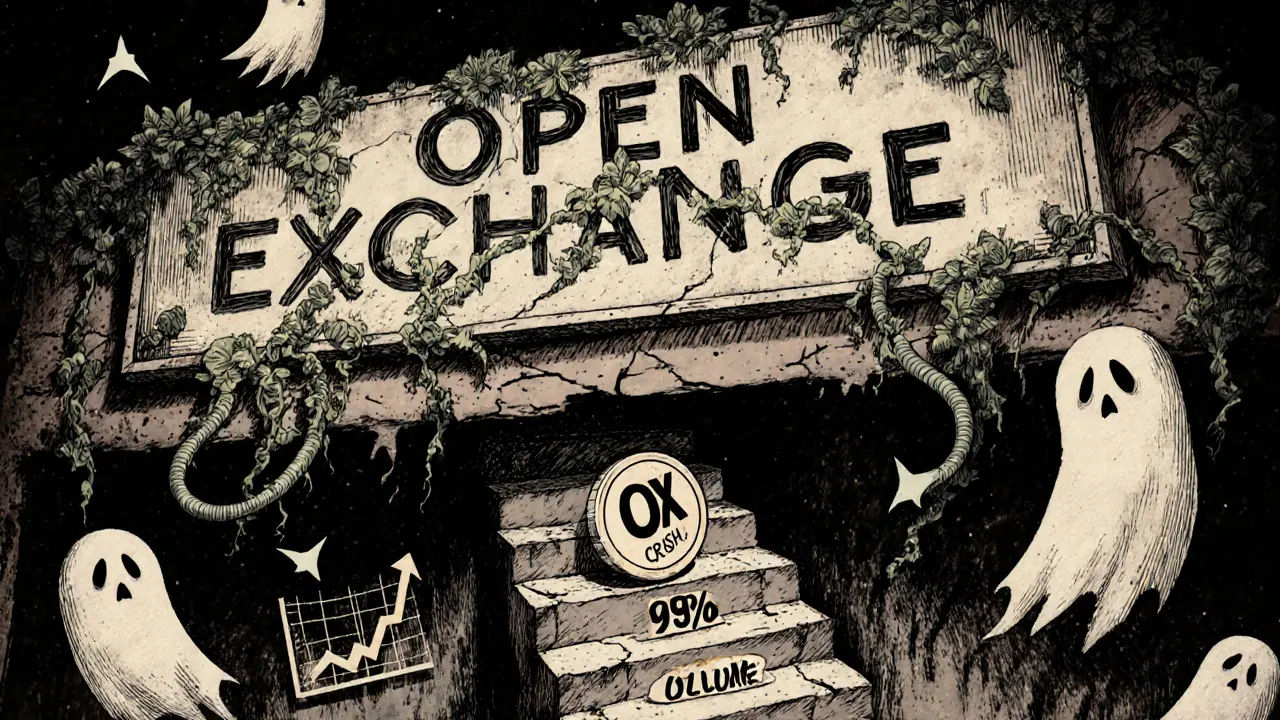
What is Open Exchange Token (OX) Crypto Coin? Real Use, Price, and Risks
Caius Merrow Nov, 12 2025 0Open Exchange Token (OX) is a crypto coin tied to the failed OPNX exchange. Once hyped, it’s now down 99% from its peak with near-zero trading volume and no real utility. Learn why experts say avoid it.
More Detail