Tornado Cash: What It Is, Why It Matters, and What Happened
When you send crypto, everyone can see where it came from and where it went—that’s how blockchain works. Tornado Cash, a privacy tool built on Ethereum that let users mix their transactions to break the trail. Also known as an Ethereum mixer, it wasn’t a wallet or an exchange—it was a smart contract that shuffled funds so no one could link inputs to outputs. People used it for all kinds of reasons: to protect their financial privacy, avoid surveillance, or just keep their trading habits private. But it also became a favorite for bad actors laundering stolen crypto, which is what eventually got it shut down.
Tornado Cash didn’t invent crypto anonymity—it just made it way easier. Before it, mixing crypto meant trusting a third party or running complex software. Tornado Cash removed the middleman. You deposited ETH or ERC-20 tokens, waited a bit, then withdrew from a different address. No logs. No identity. No trace. That’s powerful. But power like that attracts attention. In 2022, the U.S. Treasury blacklisted Tornado Cash, saying it helped launder over $7 billion in illicit funds. Wallets that interacted with it got frozen. Developers were charged. Exchanges stopped supporting it. The tool still runs on the blockchain, but no one can legally promote or use it in the U.S. without risking fines or jail.
What’s left is a messy debate: Is privacy a right—or a loophole? Can you build a tool that’s neutral but still gets weaponized? Tornado Cash didn’t steal money. It didn’t create scams. It just made it harder to track. And that’s exactly why some see it as essential for financial freedom, while others call it a danger to the system. The posts below dive into real cases: how people lost access to their funds after using it, how regulators are chasing similar tools, and what alternatives exist today. You’ll find stories about wallets frozen, exchanges caught in the crossfire, and new privacy protocols trying to learn from Tornado Cash’s mistakes. This isn’t history—it’s still shaping how crypto works today.
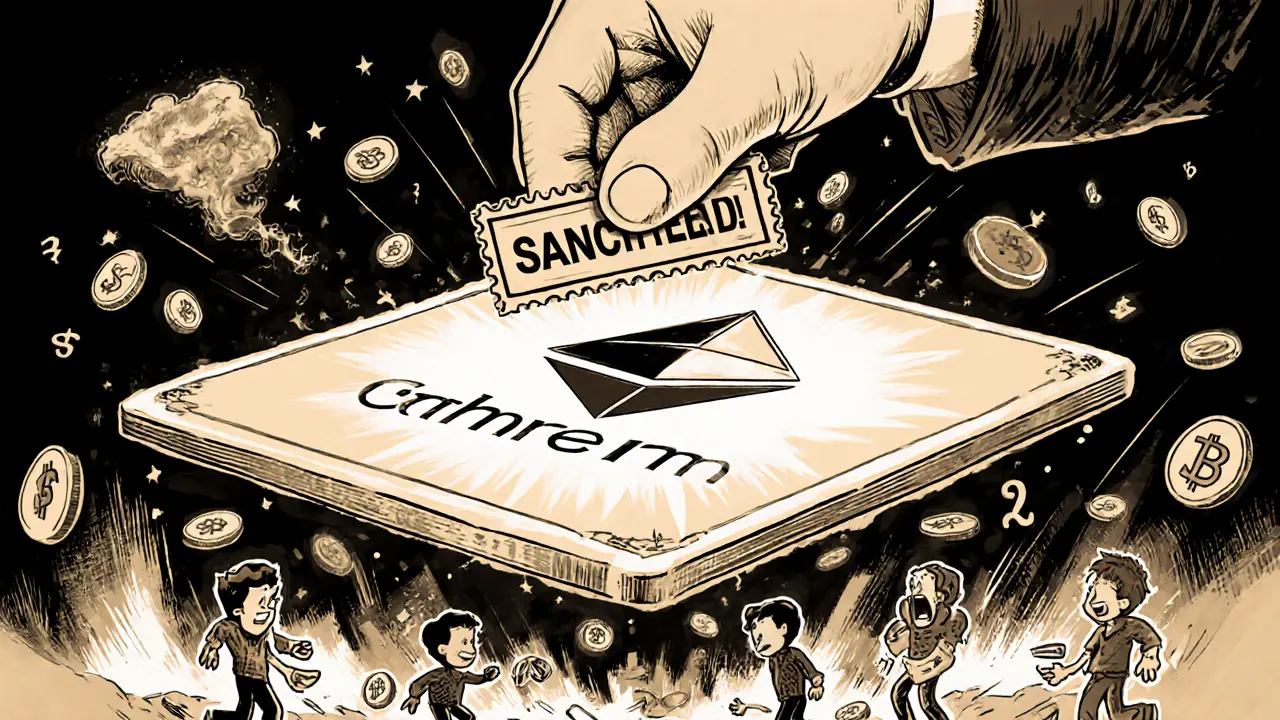
US Sanctions on Crypto Mixers: What the Tornado Cash Case Really Means
Caius Merrow Nov, 9 2025 0The U.S. sanctions on Tornado Cash marked a turning point in crypto regulation-targeting open-source software for the first time. Learn how it worked, why it was banned, and what it means for privacy, developers, and the future of crypto.
More Detail