The Future of Web3: How Decentralized Internet is Changing Everything
Apr, 4 2026
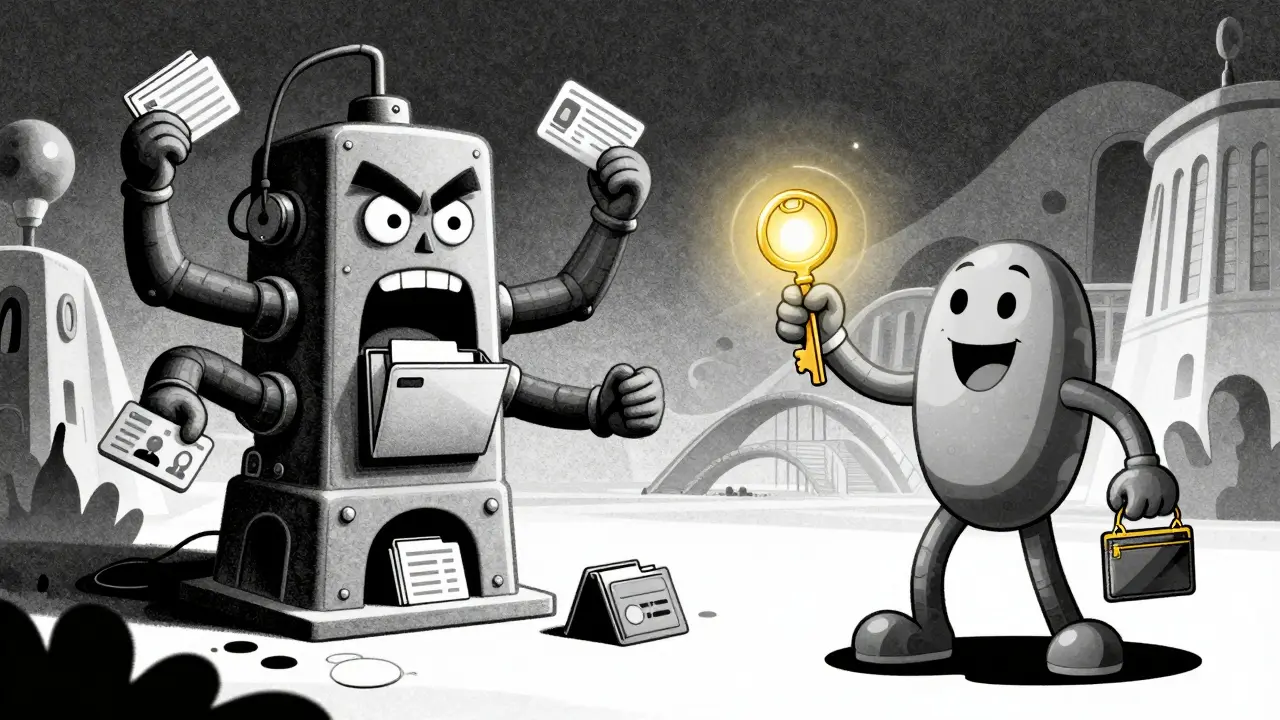
Most of us are used to a digital world where a handful of giant corporations hold the keys to our data, our identities, and our digital lives. We trade our privacy for convenience, letting platforms monetize our habits in exchange for using their tools. But imagine an internet where you actually own your digital footprint. No middleman, no central authority, and no one flipping a switch to lock you out of your own account. That is the promise of Web3 is the next evolutionary phase of the internet, defined by decentralized infrastructure where users own and control their data, identity, and digital assets through blockchain technology . It isn't just a trend for crypto enthusiasts; it is a fundamental shift in how the internet works, moving from a model of centralized control to one of individual sovereignty.
Moving Beyond the Hype to Real-World Use
For years, Web3 felt like a theoretical playground for developers and speculators. However, by 2026, the shift from "experimental" to "enterprise-grade" is clearly visible. We are seeing massive corporations stop asking "what is this?" and start asking "how do we scale this?"
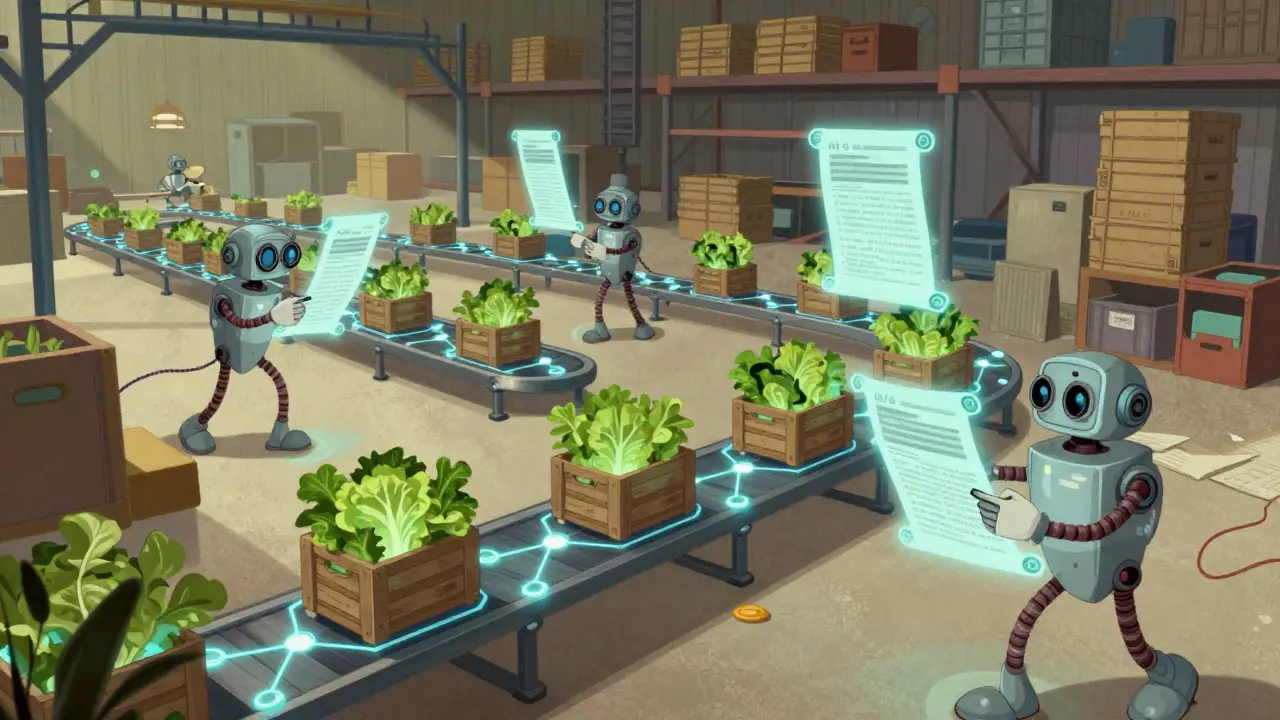
Take Walmart , for example. They integrated blockchain into their supply chain and achieved something nearly impossible in traditional logistics: reducing food safety investigation times from several weeks to just 2.2 seconds. When a contaminated batch of lettuce is found, they no longer have to call ten different warehouses and sift through paper trails; the data is there, immutable and instant. Similarly, JPMorgan has seen its Onyx platform process over $300 billion in transactions, proving that the plumbing of global finance is being rewritten in real-time.
The Fusion of AI and Decentralized Apps
One of the biggest leaps forward is the marriage of Artificial Intelligence and dApps decentralized applications that run on a peer-to-peer network of computers rather than a single central server . In the past, dApps were often static and clunky. Now, AI is giving them a brain. Instead of just executing a simple "if this, then that" command, AI-powered oracles from projects like Chainlink are delivering predictive data. This means smart contracts can now adjust themselves based on real-time risk. For instance, a DeFi lending contract might automatically tweak your interest rate based on a live AI analysis of your credit risk, rather than waiting for a human to review your file.
This fusion is making the Future of Web3 feel less like a niche tool and more like an intelligent ecosystem. We are moving toward a world where AI manages the complex business logic while the blockchain ensures that the data remains secure, transparent, and untampered with.
Owning Your Identity in a Trustless World
If you've ever felt the dread of losing a password and being locked out of your email, you'll appreciate Decentralized Identity or DID, a system that allows users to prove their identity without relying on a central authority like Google or Facebook . Instead of a company "granting" you an account, you hold your identity in a cryptographic wallet. You decide exactly what information to share and with whom.
This is gaining huge traction with Gen Z and Millennials, who are increasingly wary of how Big Tech handles their personal info. By using public-key cryptography, you can prove you are over 21 or that you have a specific degree without actually handing over your full birth certificate or transcript. It is the digital equivalent of showing a badge rather than giving someone your home address.
The Tech Stack: Solving the Fragmentation Problem
One of the biggest headaches in the early days of Web3 was that different blockchains couldn't talk to each other. It was like having five different email providers who all refused to send messages to one another. To fix this, we've seen the rise of interoperability protocols. Tools like Polkadot 's XCMP and Cosmos 's IBC are creating a "network of networks," allowing assets and data to flow seamlessly across different chains.
| Feature | Web2 (Centralized) | Web3 (Decentralized) |
|---|---|---|
| Data Ownership | Owned by corporations (Google, Meta) | Owned by the individual user |
| Identity | Platform-based (Login with Facebook) | Self-Sovereign (Wallet-based DID) |
| Infrastructure | Centralized Cloud (AWS, Azure) | Distributed (IPFS, Filecoin, Arweave) |
| Value Transfer | Intermediary-led (Banks, PayPal) | Peer-to-Peer (Stablecoins, Tokens) |
Overcoming the "Complexity Wall"
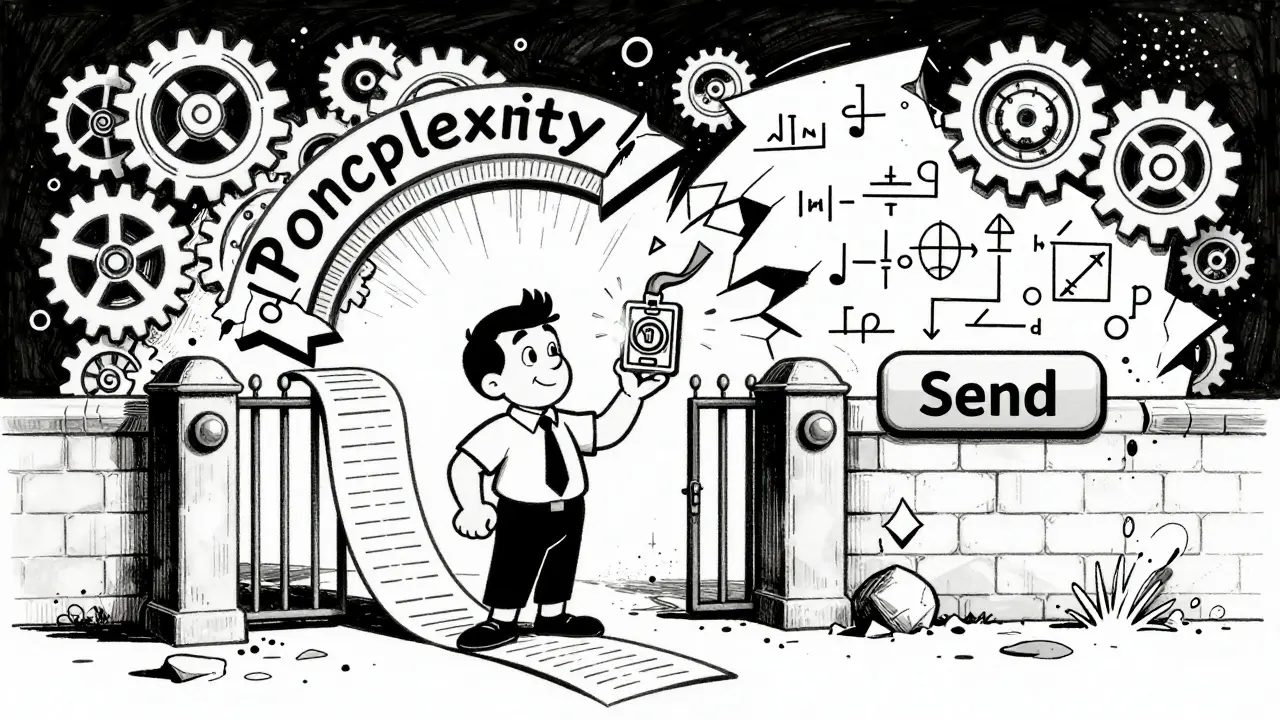
Let's be honest: Web3 has a user experience problem. For a long time, if you wanted to use a dApp, you had to manage a 24-word seed phrase, calculate "gas fees" in a currency you didn't understand, and pray you didn't send your funds to the wrong wallet address. Many people simply gave up.
The current trend is toward "abstraction." The goal is to hide the blockchain guts under a simple "send" button, much like how we don't need to understand SMTP protocols to send an email. We are seeing this with Stripe and PayPal integrating stablecoin payments. For the average shopper, it doesn't feel like a "blockchain transaction"; it just feels like a fast, cheap payment that happens instantly.
The Regulatory Turning Point
The chaos of the early 2020s-where regulations changed every week-is finally settling. The implementation of the EU's MiCA Markets in Crypto-Assets regulation providing a comprehensive legal framework for digital assets in the European Union framework and the U.S. GENIUS Act of 2025 have provided the legal clarity that institutions needed. When a company knows exactly how they will be taxed and audited, they stop experimenting and start deploying. This regulatory maturity is why we've seen stablecoins process over $10 trillion in annual volume; the "wild west" era is ending, and the era of professional integration has begun.
What Happens Next?
We aren't going to wake up one day and find that the "old internet" is gone. Instead, Web3 will likely become an invisible layer of the web. You'll use a website that looks like any other, but in the background, your identity is verified via a DID, your payment is settled via a stablecoin, and your data is stored on a decentralized network like IPFS InterPlanetary File System, a peer-to-peer hypermedia protocol designed to make the web faster, safer, and more private .
The real power isn't in the fancy terminology or the price of a token; it's in the vision of a user-centric digital universe. Whether it's a gamer finally owning their in-game items without fear of a publisher deleting their account, or a business reducing a week-long audit to two seconds, the shift is about taking power back from the center and giving it back to the edges.
Is Web3 just a rebranding of cryptocurrency?
No. While cryptocurrency is a part of Web3, the broader concept is about decentralized infrastructure. This includes things like decentralized storage (IPFS), decentralized identity (DID), and governance models (DAOs), not just trading digital coins.
Will Web3 replace the current internet (Web2)?
It is more likely to integrate with it. Most experts believe Web3 will act as a new layer for the internet, providing ownership and privacy features that Web2 lacks, rather than completely deleting the existing web.
Why is it so hard to use Web3 apps right now?
The "complexity wall" exists because we are in the early stages of infrastructure. Managing private keys and gas fees is cumbersome. However, the industry is moving toward "account abstraction," which will make using a blockchain app as easy as using a standard login.
What are the benefits of decentralized identity?
Decentralized identity allows you to control your personal data. Instead of a company like Google owning your identity and selling your data, you hold your credentials in a secure wallet and only share the specific pieces of information needed for a transaction.
How does AI improve the Web3 experience?
AI removes the rigidity of early smart contracts. By using AI-powered oracles, dApps can process complex logic, predict risks, and automate business processes based on real-world data, making them actually useful for enterprises.