Unbound (UNB) NFT Airdrop: Is It Real or a Scam? Full Guide
Jun, 24 2026
Have you seen the hype around the Unbound UNB airdrop? Social media feeds are flooded with promises of free tokens and exclusive NFTs from a project called "Unbound." If you’re looking for the official claim page, wallet connection steps, or eligibility criteria, you need to stop right here. There is no legitimate, verified airdrop for a major project named Unbound distributing an "UNB" token as of mid-2026. This silence in credible data isn’t an accident; it’s a massive red flag.
In the crypto world, if you can’t find clear information on CoinMarketCap, CoinGecko, or the project’s own audited GitHub repository, you are likely staring at a phishing attempt. Scammers create fake landing pages that look professional, promising high-value rewards to drain your wallet. This guide breaks down why this specific "airdrop" lacks credibility, how to verify any future claims, and how to protect your digital assets from these common traps.
The Missing Data: Why We Can't Find Unbound (UNB)
When researching legitimate cryptocurrency projects, we rely on transparent data. For established airdrops like those from Berachain or Sei Network, there are public allocations, smart contract addresses, and community announcements. For "Unbound" and the "UNB" token, none of this exists in reputable sources. Here is what a lack of data actually means for you:
- No Token Listing: Major aggregators do not list UNB. Without a verified contract address, you cannot know if the token is real or a minted fake designed to be worthless.
- No Smart Contract Audit: Legitimate projects publish audit reports from firms like CertiK or OpenZeppelin. Unbound has no public audit trail.
- No Official Roadmap: The project lacks a clear history. Did they launch a testnet? Did they have a mainnet beta? These milestones are missing.
This absence of information is the most critical factor. In crypto, transparency is currency. If a project hides its technical details, it usually has something to hide-often a malicious intent to steal funds rather than distribute them.
How Fake Airdrop Scams Work
Understanding the mechanics of a scam helps you spot it before you click. Most fake airdrops follow a predictable pattern. They don’t just want your attention; they want access to your private keys or signature permissions.
- The Bait: You see a tweet or Telegram message claiming "Free UNB Tokens!" with a link to a sleek website.
- The Hook: The site asks you to connect your wallet (MetaMask, Phantom, etc.) to "claim" your reward. It may even show a balance of thousands of dollars in fake tokens to excite you.
- The Trap: When you sign the transaction, you aren’t sending money. You are signing a malicious approval. This gives the scammer permission to drain your existing assets (ETH, SOL, USDT) whenever they choose.
- The Disappearance: Once your wallet is drained, the website goes offline, and the social media accounts vanish.
These scams exploit FOMO (Fear Of Missing Out). They use urgency phrases like "Claim ends in 24 hours" to bypass your logical thinking. Remember: legitimate projects never ask you to pay gas fees to receive a free airdrop, nor do they require you to send tokens first to "verify" your wallet.
Verifying Legitimacy: A Step-by-Step Checklist
Before interacting with any crypto project, especially one offering free rewards, run through this verification process. This applies to Unbound and any other obscure project you encounter.
| Check Point | What to Look For | Red Flag Signs |
|---|---|---|
| Domain Age | Use WHOIS lookup. Legit sites are often older. | Domain registered less than 30 days ago. |
| Social Proof | Active Discord/Telegram with real discussion. | Bots spamming links, no admin responses. |
| Team Identity | Doxxed team members with LinkedIn profiles. | Anonymous founders with stock photos. |
| Contract Address | Verified on Etherscan/Solscan with audits. | Link leads to unknown or unverified contracts. |
| Tokenomics | Clear supply cap and distribution plan. | Infinite supply or vague allocation details. |
If Unbound fails even two of these checks, treat it as hostile. Do not connect your wallet. Do not share your seed phrase. The cost of verification is five minutes; the cost of failure is total loss of funds.
Safe Alternatives for Airdrop Hunters
If you are interested in participating in legitimate airdrops, focus on projects with established track records. Instead of chasing unknown tokens like UNB, consider interacting with ecosystems that have publicly confirmed airdrop programs or strong potential based on venture capital backing.
- Layer 2 Solutions: Projects like zkSync or Starknet have historically rewarded early users who bridge funds and swap tokens on their networks.
- Decentralized Exchanges (DEXs): Providing liquidity on new DEXs often leads to governance token rewards.
- Infrastructure Protocols: Networks like Celestia or EigenLayer have distributed tokens to users who delegated stakes or used their data availability services.
These projects operate in the open. Their contracts are visible, their teams are known, and their token distributions are governed by on-chain logic, not hidden scripts. By focusing on these verified ecosystems, you reduce risk while maintaining exposure to potential upside.
Protecting Your Wallet from Phishing
Even if you avoid fake airdrops, your wallet remains a target. Implement these security habits to stay safe in 2026:
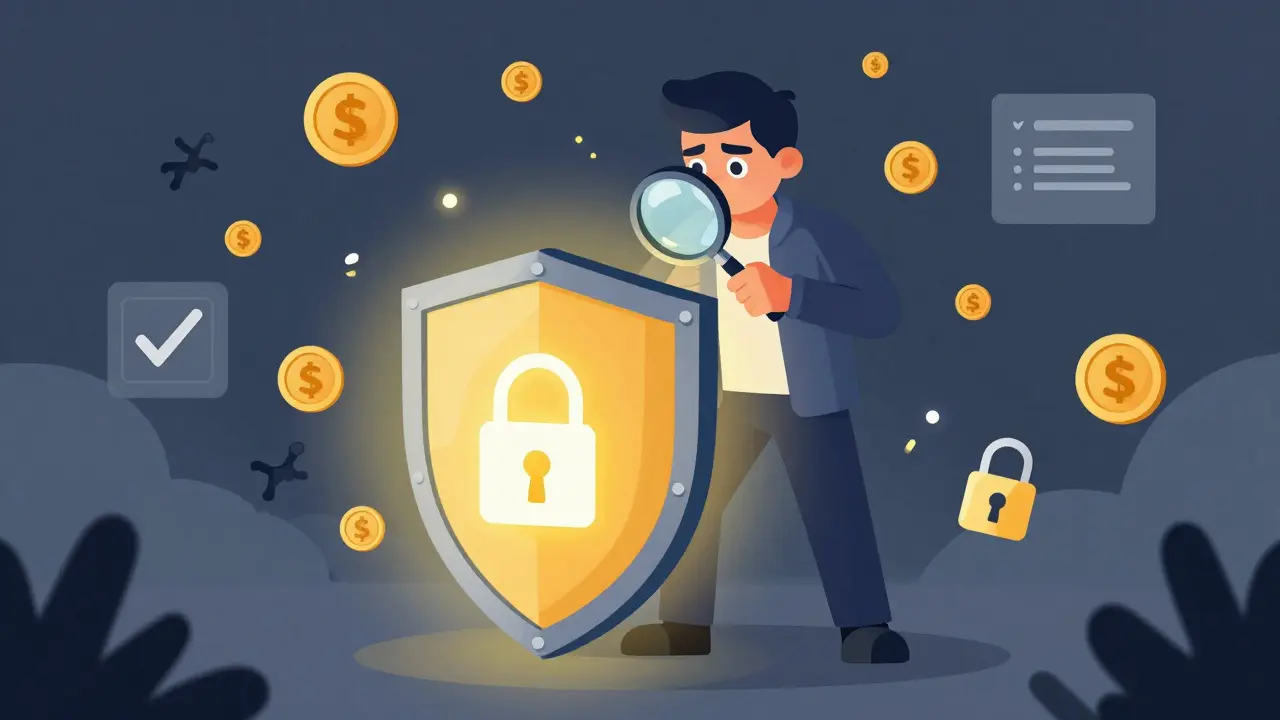
- Use a Burner Wallet: Never connect your main holding wallet to new or unverified dApps. Use a separate wallet with minimal funds for testing.
- Revoke Permissions: Regularly check Revoke.cash to see which contracts have access to your tokens. Revoke any suspicious approvals immediately.
- Verify URLs: Bookmark official project sites. Do not click links from DMs or random tweets. Typosquatting domains (e.g., unb0und.com) are common tricks.
- Hardware Wallets: For significant holdings, use a hardware wallet. Even if you accidentally sign a bad transaction, the hardware device adds a layer of confirmation that software wallets lack.
Security is not about paranoia; it’s about procedure. Treat every link as potentially malicious until proven otherwise. In the decentralized web, you are your own bank, which means you are also your own security guard.
Conclusion: Stay Skeptical, Stay Safe
The "Unbound UNB airdrop" appears to be a non-existent or fraudulent opportunity. Without verifiable data, official listings, or a transparent team, there is no reason to engage with it. Crypto offers incredible opportunities, but they come with equal risks. By sticking to verified projects, using secure practices, and ignoring too-good-to-be-true promises, you protect your capital and enjoy the space responsibly. Always prioritize safety over speed. If you miss a fake airdrop, you lose nothing. If you fall for it, you lose everything.
Is the Unbound (UNB) airdrop legitimate?
No. As of June 2026, there is no credible evidence of a legitimate Unbound project or UNB token airdrop. The lack of listing on major trackers, absence of smart contract audits, and missing team information strongly suggest it is a scam or phishing attempt.
How can I tell if a crypto airdrop is a scam?
Look for red flags such as: requests to send crypto first, pressure to act quickly, anonymous teams, unverified smart contracts, and domains registered recently. Legitimate airdrops never ask for upfront payments or private keys.
What should I do if I already connected my wallet to the Unbound site?
Immediately move all funds to a new wallet address. Then, use a tool like Revoke.cash to revoke any token approvals granted to the Unbound contract. Monitor your old wallet for any unauthorized transactions.
Are there any legitimate NFT airdrops happening in 2026?
Yes, but they come from well-known projects with transparent histories. Look for announcements from major DAOs, Layer 2 networks, or established NFT marketplaces. Always verify via official channels like Twitter or Discord, not third-party links.
Why do scammers use names like "Unbound"?
Scammers use generic, appealing names that sound professional and familiar. "Unbound" suggests freedom and decentralization, concepts popular in crypto. This psychological trick makes victims lower their guard before verifying the project's legitimacy.