Are Crypto Payments Allowed in Iran? Current Laws & Restrictions
Sep, 18 2026
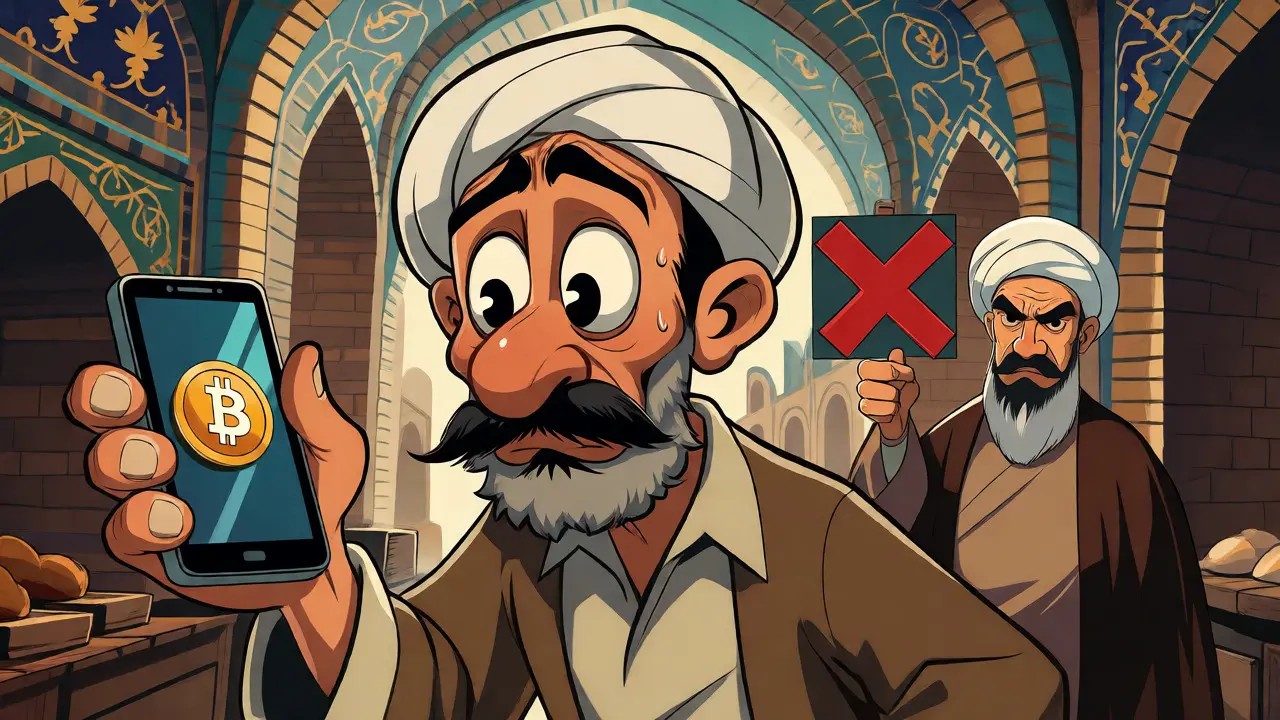
Imagine trying to buy a coffee in Tehran with Bitcoin. You pull out your phone, scan a QR code, and the transaction fails-not because of a network error, but because the government effectively banned that specific type of exchange just months ago. If you are wondering are crypto payments allowed in Iran, the short answer is: it’s complicated. While you can’t legally walk into a shop and pay directly with Bitcoin for goods, the country has one of the most active cryptocurrency scenes in the world, driven by a mix of sanctions evasion, high inflation, and state-controlled mining.
The situation in Iran isn't black and white. It’s a gray zone where the government simultaneously bans domestic spending while encouraging mining to earn foreign currency. As of late 2025, the rules have shifted dramatically from a total ban to a tightly monitored permission system. Here is exactly what you need to know about using crypto in Iran today.
The Short Answer: Mining Yes, Spending No
Let’s cut through the noise. In Iran, Cryptocurrency Mining is a legal activity regulated by the Ministry of Industry, Mine and Trade, requiring miners to sell their mined assets directly to the Central Bank of Iran. However, using those same cryptocurrencies as a direct payment method for daily goods and services remains heavily restricted and largely prohibited for ordinary citizens.
The Central Bank of Iran (CBI) is the sole regulatory authority overseeing all cryptocurrency activities, holding unrestricted access to user data and enforcing strict licensing requirements. The CBI’s stance is clear: they want the revenue from mining but fear the instability that widespread private crypto adoption could bring to the Rial.
| Activity | Legal Status | Key Restriction |
|---|---|---|
| Mining | Legal (Licensed) | Must sell output to CBI; high energy tariffs apply. |
| Trading on Exchanges | Restricted/Regulated | Only via licensed platforms; mandatory KYC and API surveillance. |
| Direct P2P Payments | Prohibited/Gray Area | Direct use for goods/services is not recognized as legal tender. |
| Advertising | Banned | Nationwide ban on online and offline crypto ads since Feb 2025. |
Why the Rules Changed So Fast
You might remember headlines from late 2024 saying crypto was completely blocked in Iran. That was partially true. On December 27, 2024, the CBI implemented a program that effectively froze rial-to-crypto and crypto-to-rial payments through internet websites. For a few weeks, it looked like the door had slammed shut.
But by January 2025, the government realized they couldn't ignore the economic reality. They began unblocking exchanges, but with a catch: these platforms now have to use the government's own API system. This means every trade you make is visible to authorities. It’s not a free market; it’s a surveilled market. President Masoud Pezeshkian’s administration formalized this shift, designating the CBI as the single point of control. Why? Because the Rial has been depreciating rapidly due to sanctions and inflation. The government wants to stop people from fleeing to stablecoins or Bitcoin without checking their passport first.
How Iranians Actually Use Crypto
If direct payments are banned, how do millions of Iranians still trade billions in volume? Between January and July 2025, Iran recorded approximately $3.7 billion in cryptocurrency flows. That’s real money moving, even if the laws say otherwise.
Most locals use licensed local exchanges like Nobitex is Iran's largest cryptocurrency exchange, operating under strict Central Bank regulations and subject to international compliance actions such as Tether freezes. These platforms allow users to convert Rials to USDT (Tether) or Bitcoin. But here’s the trick: many users then move their funds to foreign wallets or use Virtual Private Networks (VPNs) to access global exchanges like Binance or Kraken. This allows them to bypass local restrictions and avoid the heavy fees and surveillance imposed on domestic trades.
So, are you technically breaking the law by buying Bitcoin in Iran? Not necessarily, if you use a licensed platform. Are you breaking the law by paying your landlord in Bitcoin? Likely yes, because that transaction isn't recognized by the banking system, and you’re bypassing the official exchange rate mechanisms.
The Mining Paradox: Legal but Unprofitable?
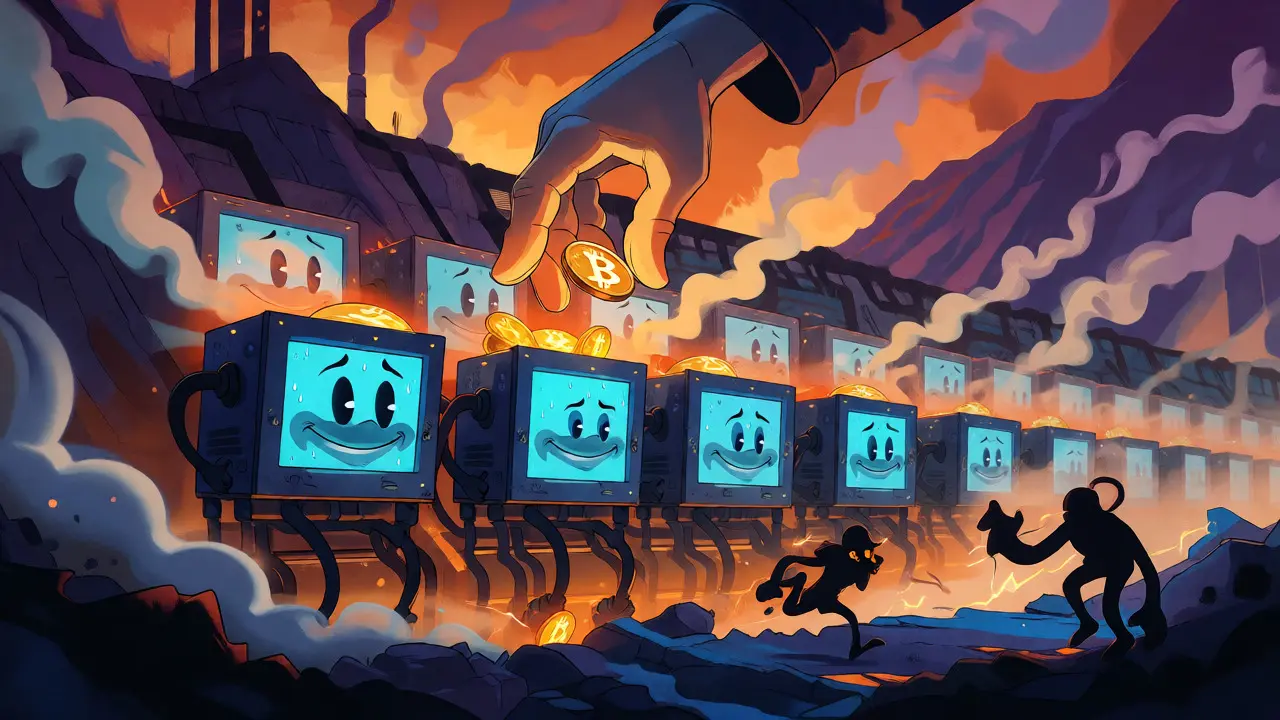
Iran legalized mining back in 2019, seeing it as a way to monetize its excess electricity production. Today, Iran accounts for roughly 4.5% of global Bitcoin mining activity. That’s huge for a country under sanctions.
However, being a miner in Iran is tough. Licensed miners must adhere to government-set electricity tariffs, which are higher than residential rates. More importantly, they are required to sell their mined Bitcoin directly to the Central Bank of Iran at an official rate. This removes the incentive for miners to hold onto their coins during bull markets. Consequently, a significant portion of mining happens "underground"-illegal operations that steal power or use subsidized residential rates, contributing to the rolling blackouts seen in late 2024.
In December 2024, authorities specifically blamed unauthorized mining for exacerbating energy shortages. This led to crackdowns and judicial action against illegal farms. So, while mining is legal on paper, the economic reality pushes many operators into the shadows.
The Digital Rial: A State-Controlled Alternative
To counter the rise of decentralized currencies, Iran is developing its own Central Bank Digital Currency (CBDC), often referred to as the "Digital Rial" or "Rial Currency." Unlike Bitcoin, this digital token cannot be mined. Its supply is strictly controlled by the CBI.
A pilot program launched on Kish Island aims to test this technology. The goal is simple: reduce dependency on the US Dollar for international settlements while maintaining tight monetary control over domestic transactions. For the average Iranian, the Digital Rial might eventually replace cash, but it won’t offer the financial freedom that Bitcoin provides. It’s electronic cash, not a store of value independent of the state.

International Pressure and Sanctions
You can’t talk about Iranian crypto without mentioning sanctions. Since 2017, when international banking channels were severely obstructed, Iran turned to crypto to bypass restrictions. The Islamic Revolutionary Guard Corps (IRGC) has been particularly active in this space, using wallets to move funds globally.
This hasn't gone unnoticed. On July 2, 2025, Tether-the company behind USDT-executed its largest-ever freeze of Iranian-linked funds. They froze 42 addresses, many linked to Nobitex. This shows that even if you navigate local laws successfully, international compliance tools can still lock up your assets if they detect sanctions risks. If you are an expat or investor dealing with Iranian crypto, you need to be aware that your wallet history might flag you in global financial systems.
Practical Tips for Dealing with Crypto in Iran
If you find yourself needing to interact with the Iranian crypto ecosystem, keep these points in mind:
- Use Licensed Platforms: Stick to exchanges registered with the CBI to ensure your fiat withdrawals actually reach your bank account.
- Expect Surveillance: Assume that every transaction on a local exchange is visible to the government. Privacy is minimal.
- Beware of Ads: Don’t trust social media influencers promoting new tokens. With the nationwide advertising ban in place since February 2025, legitimate marketing is scarce, and scams thrive in the vacuum.
- Consider Stablecoins: Given the Rial’s volatility, USDT is the de facto savings tool for many Iranians, despite the freezing risks.
Frequently Asked Questions
Is Bitcoin legal tender in Iran?
No, Bitcoin is not legal tender in Iran. The Rial remains the only official currency. While owning and trading Bitcoin is permitted under specific regulations, you cannot legally demand payment in Bitcoin for goods or services, and merchants generally cannot accept it directly without converting it through approved channels.
Can foreigners use crypto in Iran?
Foreigners face similar restrictions. While you can trade on licensed exchanges if you complete KYC, using crypto for daily expenses like hotels or taxis is difficult because most vendors do not accept direct crypto payments due to regulatory uncertainty. Most visitors still rely on cash or credit cards issued outside the sanctioned banking network.
Why did Iran ban crypto advertising?
In February 2025, the government imposed a nationwide ban on cryptocurrency advertising to limit public exposure and speculative interest. Authorities feared that aggressive marketing would drive more people to move savings out of the Rial and into volatile digital assets, further destabilizing the national currency.
What happens if I mine Bitcoin illegally in Iran?
Illegal mining operations face severe penalties, including fines and imprisonment. Authorities actively monitor electricity consumption patterns to identify unauthorized farms. In recent years, thousands of illegal rigs have been seized, and operators have faced judicial action for stealing subsidized power.
Is the Digital Rial available to everyone yet?
Not yet. The Digital Rial is currently in a pilot phase, primarily tested on Kish Island. It is not widely available to the general public across Iran. The rollout timeline depends on technical infrastructure updates and further regulatory approvals from the Central Bank of Iran.