PFP NFTs: Profile Picture Collections Explained
Aug, 10 2026
You scroll through Twitter or Discord and notice something familiar. That pixelated punk with a cigarette? The bored ape wearing a gold chain? These aren't just random images. They are PFP NFTs, which stands for Profile Picture Non-Fungible Tokens. These digital assets have become the new status symbols of the internet. But what exactly makes them valuable? Why do people spend thousands on a JPEG?
The answer lies in ownership, community, and identity. In this guide, we break down how PFP collections work, why they exploded in popularity, and what you need to know before jumping in.
What Are PFP NFTs?
At their core, PFP NFTs are unique digital artworks designed specifically to be used as your avatar on social media platforms. Unlike a standard profile picture hosted on Instagram's servers, a PFP NFT lives on the blockchain. This means you truly own it. You can prove it, trade it, or sell it whenever you want.
The concept didn't start with fancy graphics. It began with CryptoPunks. Launched in June 2017 by Larva Labs, this collection featured 10,000 unique 24x24 pixel art characters. At first, nobody cared. You could grab one for free, paying only the small transaction fee on the Ethereum network. By 2020, however, the crypto world woke up. Today, the cheapest Punk costs around $350,000. That is not a typo.
This shift marked the birth of the modern PFP market. It proved that digital scarcity combined with cultural relevance creates immense value.
How Generative Art Creates Rarity
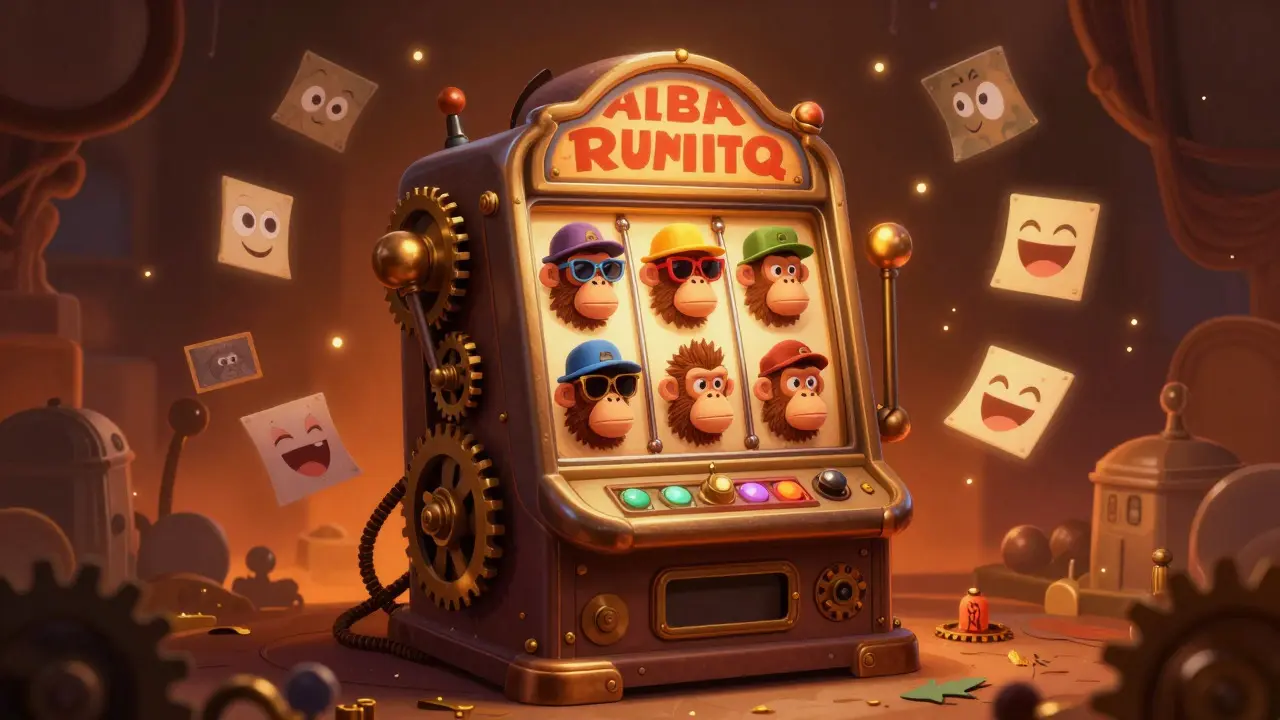
You might wonder how artists create 10,000 unique images without drawing each one by hand. The secret is generative algorithms. Think of it like a digital slot machine. The artist designs layers: backgrounds, skin tones, hats, eyes, mouths, and accessories. The code then randomly combines these traits to produce thousands of distinct characters.
This process introduces rarity. Some combinations are common; others are extremely rare. For example, in CryptoPunks, there are only nine Alien Punks. Because supply is fixed at 10,000, finding one with ultra-rare traits feels like hitting the jackpot. This trait-based rarity drives much of the secondary market price action.
- Common Traits: Standard hats, basic clothing. Found in hundreds or thousands of pieces.
- Rare Traits: Unique accessories, specific color palettes. Found in dozens of pieces.
- Ultra-Rare Traits: Legendary items like laser eyes or alien species. Often single-digit occurrences.
This system mimics trading cards. Just as a holographic Charizard is worth more than a common Pikachu, a Bored Ape with a golden fur coat commands a higher price than one with standard brown fur.
Top PFP Collections You Should Know
While CryptoPunks started it all, other projects quickly rose to fame. Each has its own style, community vibe, and utility offerings.
| Collection Name | Size | Art Style | Key Utility |
|---|---|---|---|
| CryptoPunks | 10,000 | Pixel Art | Status Symbol, Historical Significance |
| Bored Ape Yacht Club (BAYC) | 10,000 | Hand-Drawn Apes | Exclusive Community, Merch, IP Rights |
| Custom Doodles | 10,000 | Colorful Characters | NFT Gaming, Brand Partnerships |
| Mutant Ape Yacht Club | 20,000+ | Mutated Apes | BAYC Ecosystem Access |
Bored Ape Yacht Club deserves special mention. Beyond being a cool image, owning an Ape grants you membership to an exclusive club. Holders get access to private Discord channels, real-world events, and even commercial rights to their character. Celebrities like Justin Bieber and Snoop Dogg have swapped their profile pictures for Apes, boosting mainstream visibility.
Custom Doodles took a different approach. With bright colors and friendly faces, they appealed to a broader audience. They also integrated into gaming experiences, showing how PFPs can evolve beyond static images.
Why Do People Buy Them?
If you're skeptical, ask yourself: why would anyone pay money for a digital file? There are three main drivers.
1. Digital Identity and Status
In physical life, you might wear a Rolex or drive a Tesla to signal success. Online, your PFP does the same. Displaying a high-value NFT shows you are part of the early adopter crowd. It signals trust within the crypto community.
2. Community Access
Many PFP projects act as keys to exclusive networks. Owning a token often unlocks a private Discord server where holders share investment tips, collaborate on projects, or simply hang out. For many buyers, the networking value outweighs the artistic value.
3. Speculative Investment
Let's be honest: some people buy hoping to flip for profit. When CryptoPunks went from free to $350,000, FOMO (Fear Of Missing Out) kicked in hard. While past performance doesn't guarantee future results, the potential for appreciation remains a powerful motivator.
How to Get Started with PFP NFTs
Ready to dive in? Here is a simple roadmap to buying your first PFP NFT.
- Set Up a Wallet: You need a digital wallet to store your NFTs. MetaMask is the most popular choice for Ethereum-based NFTs. Download the browser extension or mobile app.
- Buy Cryptocurrency: Most major PFP collections live on Ethereum. You'll need ETH to pay for the NFT and transaction fees. Use an exchange like Coinbase or Binance to buy ETH, then send it to your MetaMask wallet.
- Choose a Marketplace: OpenSea is the largest marketplace for NFTs. Connect your wallet to browse available collections.
- Research the Collection: Don't just buy blindly. Check the project's website, Twitter, and Discord. Look for active communities and clear roadmaps.
- Make Your Purchase: Once you find a PFP you like, click "Buy Now" or place a bid. Confirm the transaction in your wallet. Remember to account for gas fees, which can spike during busy times.
For beginners, starting with smaller, newer collections might be less intimidating than trying to afford a Bored Ape. However, always do your own research (DYOR). Scams exist in every industry, including crypto.
Risks and Challenges to Consider
Before you spend your savings, keep these risks in mind.
Volatility: NFT prices can swing wildly. A collection trending today might be forgotten tomorrow. Liquidity is low compared to stocks or Bitcoin. Selling quickly might mean accepting a lower price.
Gas Fees: On Ethereum, transaction fees can range from $5 to $50 or more depending on network congestion. If you're buying a cheap NFT, the gas fee might cost more than the item itself.
Scams and Rug Pulls: Fake websites and malicious smart contracts are common. Always verify URLs. Never connect your wallet to untrusted sites. A "rug pull" happens when developers abandon a project and run off with investors' funds.
Environmental Concerns: Ethereum historically used energy-intensive proof-of-work mining. Since the "Merge" in 2022, it switched to proof-of-stake, reducing energy consumption by over 99%. Still, some eco-conscious users prefer NFTs on greener chains like Polygon or Solana.
The Future of PFP NFTs
Where do PFPs go from here? The trend is moving toward utility and integration. Imagine your PFP becoming your avatar in a virtual world like The Sandbox or Decentraland. You could walk around, interact with others, and use your NFT to unlock special features.
Gaming is another frontier. Projects are building games where your PFP serves as your player character. As technology advances, expect to see AI-generated traits, augmented reality filters, and deeper connections between digital and physical goods.
The key takeaway? PFP NFTs are more than just profile pictures. They represent a new form of digital ownership, community membership, and self-expression. Whether you're a collector, investor, or curious observer, understanding this space gives you insight into the evolving nature of the internet.
What does PFP stand for in NFTs?
PFP stands for "Profile Picture." These are NFTs specifically designed to be used as avatars on social media platforms like Twitter, Discord, and Instagram.
Are PFP NFTs a good investment?
It depends. Top-tier collections like CryptoPunks and BAYC have appreciated significantly, but the market is volatile. Many newer projects fail. Treat it as high-risk speculation unless you value the community and art itself.
How much does it cost to buy a PFP NFT?
Prices vary wildly. Established collections can cost tens of thousands of dollars. Newer or smaller collections might be available for under $100. Always factor in Ethereum gas fees, which add to the total cost.
Can I make money from my PFP NFT?
Yes, if the value increases. You can sell it on marketplaces like OpenSea. Some projects also offer royalties or staking rewards, allowing holders to earn passive income while holding their NFT.
What is the difference between CryptoPunks and Bored Apes?
CryptoPunks are pixel art and were the first major PFP collection. Bored Apes are hand-drawn and focus heavily on community benefits and intellectual property rights. Both are considered blue-chip NFTs.
Do I need to know coding to buy an NFT?
No. Buying an NFT is similar to shopping online. You need a crypto wallet and some cryptocurrency, but no coding skills are required. User-friendly interfaces on marketplaces make the process accessible.
What happens if the blockchain shuts down?
Blockchains like Ethereum are decentralized and highly resilient. While technical issues can occur, a complete shutdown is unlikely. Your NFT exists as a record on the distributed ledger, not on a single server.
Can I use any image as a PFP NFT?
Technically yes, you can mint any image. However, recognized PFP collections have established value due to brand recognition, community, and verified scarcity. Random images lack this ecosystem support.