Position Exchange Times Square Billboard Airdrop: Fact Check and Warning
Apr, 9 2026
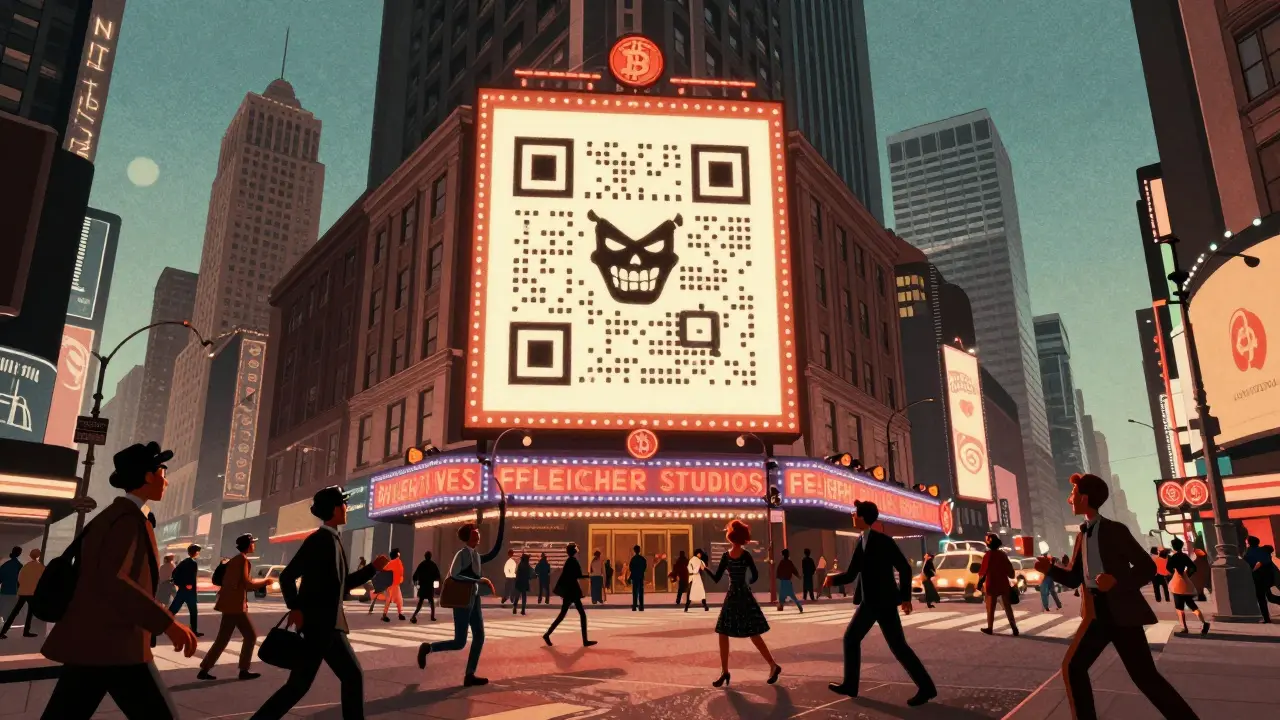
You might have seen a flashy image on TikTok or Instagram showing a massive billboard in New York City's Times Square promising a huge windfall. The claim? A Position Exchange is giving away tokens through a high-profile billboard event. It looks exciting, it looks official, and it looks like free money. However, before you connect your wallet or share your seed phrase, there is something you need to know: this is a textbook scam.
The reality is that no legitimate project distributes tokens directly through physical signage. If you're seeing a QR code on a simulated billboard image telling you to "claim your airdrop," you are looking at a phishing attempt designed to drain your funds. In the world of crypto, if an offer seems too good to be true and requires you to interact with a suspicious link, it almost always is.
The Red Flags of the Position Exchange Event
When you dig into the details of the so-called Position Exchange event, the contradictions are glaring. For starters, a real airdrop requires a digital connection between a smart contract and a wallet address. A billboard is a one-way communication tool. It's a screen, not a blockchain gateway. As experts from the NYU Cybersecurity Lab have pointed out, trying to distribute tokens via a billboard is essentially like trying to mail cash through a television screen-it's physically and technically impossible.
Furthermore, a search of official records reveals that no such entity as Position Exchange has secured the necessary permits from the New York City Department of Consumer and Worker Protection. While Times Square is a hub for legitimate advertising, there is zero evidence that any crypto project has ever used a billboard as a direct distribution mechanism for tokens. Legitimate companies like Coinbase or Binance use these screens for brand awareness, not for handing out free coins via QR codes.
How the "Billboard Airdrop" Scam Actually Works
Fraudsters don't actually buy the expensive billboard space. Instead, they use simple graphic design software to create a fake mockup of a billboard in New York. They then blast these images across social media using hashtags like #CryptoAirdrop to attract hopeful investors. This creates a "halo effect," where the prestige of Times Square makes the scam feel legitimate.
Once you're hooked, the process usually follows this path:
- The Hook: A post claims a massive airdrop is happening now in NYC.
- The Call to Action: You're told to scan a QR code or visit a specific "claim portal."
- The Trap: The website asks you to connect your wallet or, even worse, enter your secret recovery phrase (seed phrase) to "verify" your identity.
- The Theft: The moment you provide those details, the scammers use automated scripts to empty every single asset from your wallet.
Blockchain forensics firms, including Chainalysis, have already traced millions of dollars in losses back to this specific type of billboard phishing scheme, with funds being shuffled through mixers to hide the trail.
Comparing Real Marketing vs. Airdrop Scams
To help you spot the difference between a real company promoting itself and a thief trying to steal your ETH, look at the following breakdown:
| Feature | Legitimate Brand Campaign | "Position Exchange" Style Scam |
|---|---|---|
| Goal | Brand awareness and visibility | Stealing private keys/seed phrases |
| Method | Visual ads, official website links | Urgent QR codes, fake "claim" portals |
| Requirements | None (just watching the ad) | Connecting wallet/entering seed phrase |
| Verification | Mentioned on official X/Twitter accounts | Only found in viral social media posts |
Protecting Your Assets from Phishing
The most important rule in cryptocurrency is: Never share your seed phrase. No legitimate airdrop, exchange, or support team will ever ask for it. If a website asks for your private keys to "unlock" a reward, close the tab immediately. You are not missing out on a profit; you are avoiding a total loss.
If you want to find real airdrops, stick to verified aggregators and the official documentation of projects you trust. Check the project's official website (verify the URL carefully) and their verified social media channels. If a "huge event" is happening in Times Square, it will be reported by major news outlets and the project's own primary domain, not just a random video on a feed.
Another layer of defense is using a "burner wallet." If you insist on interacting with new or unverified airdrops, never use the wallet where you keep your life savings. Create a fresh wallet with zero balance and use that for testing. If the site is a scam, they can only steal the tiny amount of gas money you put in, rather than your entire portfolio.
Common Indicators of Crypto Fraud
Beyond the billboard trick, keep an eye out for these common patterns used by scammers to create a false sense of legitimacy:
- Artificial Urgency: "Only 500 spots left!" or "Claim within 24 hours!"
- Fake Proof: Screenshots of wallets receiving huge sums of money (these are easily faked with browser inspection tools).
- Bot Engagement: Hundreds of comments saying "It actually works!" or "Just got my tokens!" which are usually generated by bot farms.
- Complex Requirements: Asking you to pay a "small activation fee" or "gas fee" in advance to receive your reward.
Is Position Exchange a real cryptocurrency platform?
There is no verifiable evidence of a legitimate, functioning exchange by this name associated with a Times Square event. Domain records show the site is often parked or inactive, and no regulatory filings exist with the SEC or CFTC.
Can I really get an airdrop from a QR code on a billboard?
No. While a QR code can take you to a website, the actual distribution of tokens happens via a blockchain transaction. Any site that asks for your seed phrase or private key after scanning a QR code is a phishing site designed to steal your funds.
What should I do if I already entered my seed phrase into the claim site?
If you have shared your seed phrase, your wallet is compromised. You must immediately create a new wallet and transfer all remaining funds to the new address. Once a seed phrase is leaked, the original wallet can never be secure again.
Why do scammers use Times Square in their fake ads?
Times Square is one of the most famous locations in the world. By using it in a mockup, scammers piggyback on the trust and prestige associated with high-cost advertising, making the victim believe the project is wealthy and legitimate.
How can I verify if a crypto event is real?
Check the project's official X (Twitter) account for a blue checkmark and a history of consistent posting. Look for mentions in reputable crypto news outlets like CoinDesk or Cointelegraph. Finally, verify the URL of any claim site against the official website linked in their bio.