Sweden's Crypto Mining Ban: Why the Tax Hike Killed Europe's Last Bitcoin Haven
Jun, 26 2026
Imagine setting up a business in a country that practically begs you to come. They offer you cheap electricity, cool weather for your servers, and tax breaks so generous they feel like a gift. Then, three years later, the government slaps you with a 6,000% tax increase on that same electricity. That is exactly what happened to cryptocurrency miners in Sweden.
In 2017, Sweden was known as the "last remaining stronghold of bitcoin miners in Europe." It was a paradise for digital asset operations. By 2023, it had become one of the most hostile jurisdictions on the planet for crypto mining. This dramatic flip-flop wasn't just a minor policy tweak; it was a complete elimination of incentives followed by punitive taxes that effectively shut down the industry overnight.
If you are trying to understand why Sweden went from being a mining haven to a regulatory nightmare, or if you are an operator looking at where to move next, this breakdown explains the mechanics behind the ban, the financial impact, and what it means for the future of crypto regulation in Europe.
The Sweet Deal: How Sweden Became a Mining Magnet
To understand the shock of the ban, you have to look back at how inviting Sweden used to be. In 2017, the Swedish government introduced a massive 98% tax reduction for data centers. The goal was simple: attract technology companies and digital infrastructure investments to the Nordic country.
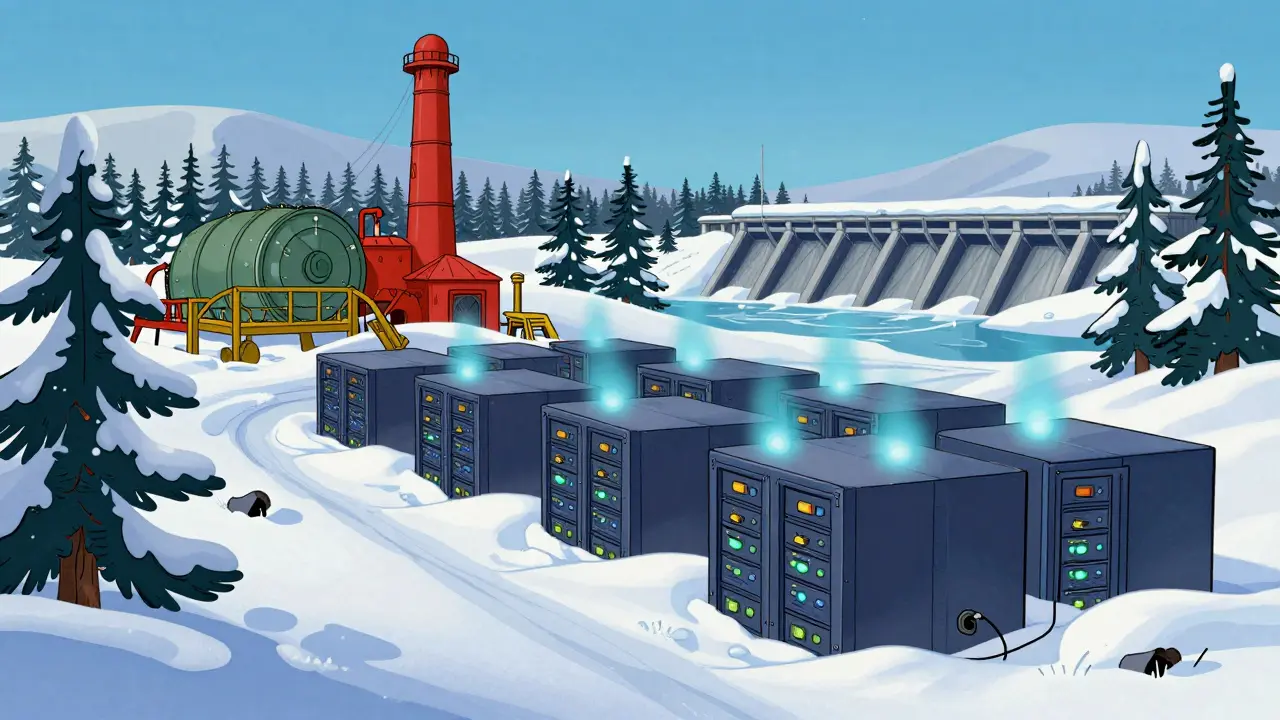
This policy worked. Big names like Microsoft, Amazon, and Facebook moved their data centers to Sweden. But it also attracted a wave of cryptocurrency miners. Why? Because mining requires two things: cheap power and cool temperatures. Sweden has plenty of both.
- Cheap Hydroelectric Power: Northern Sweden is powered largely by renewable hydroelectricity, which is abundant and relatively inexpensive.
- Natural Cooling: The cold climate reduces the need for expensive air conditioning systems that keep mining rigs from overheating.
- Tax Incentives: The 98% reduction made operating costs incredibly low compared to other European nations.
By 2023, Sweden hosted approximately 150 megawatts of active cryptocurrency mining capacity. Most of this was concentrated in the northernmost regions, near cities like Kiruna and Luleå, where the grid could handle the load. For a few years, it was the best place in Europe to mine Bitcoin.
The Pivot: A 6,000% Energy Tax Spike
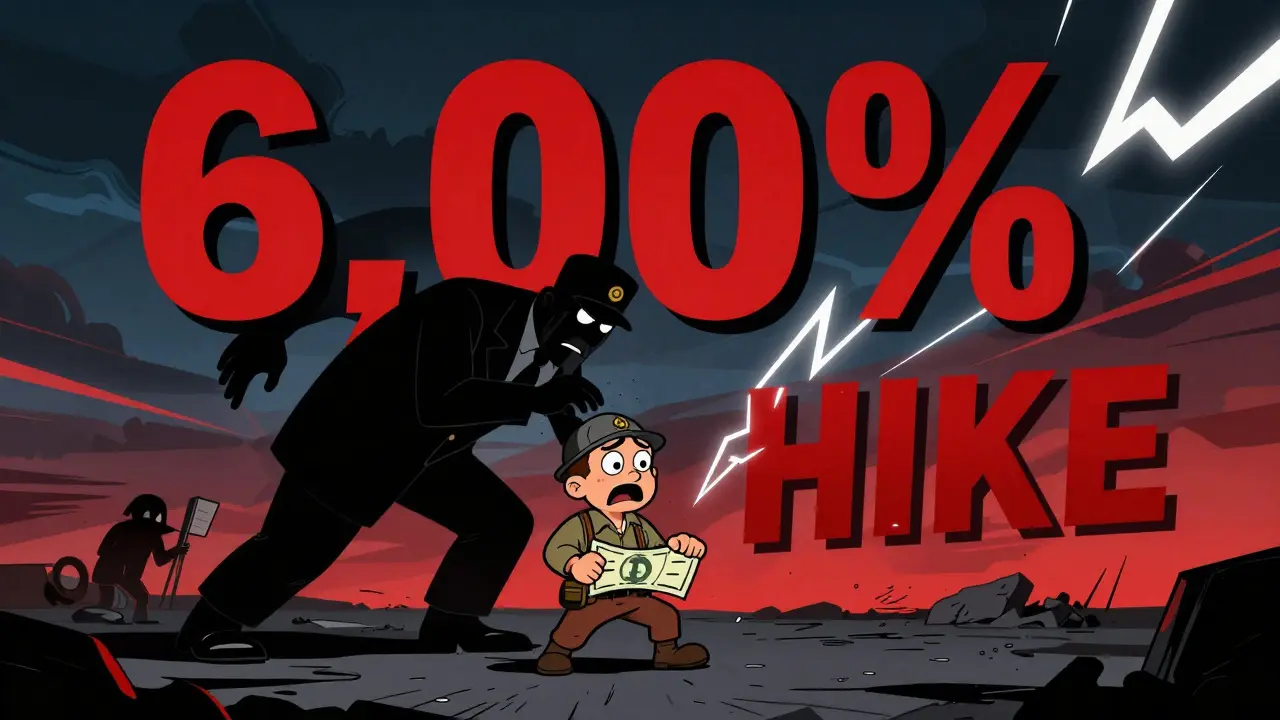
Then came the reversal. In November 2022, the Swedish government published its budget for the following year. Inside was a bombshell for the crypto industry. Effective July 2023, the energy tax for data centers would skyrocket.
| Period | Energy Tax Rate (SEK/kWh) | Energy Tax Rate (USD/kWh) | Change |
|---|---|---|---|
| Before July 2023 | SEK 0.006 | $0.0006 | Baseline |
| After July 2023 | SEK 0.36 | $0.035 | +6,000% |
That is not a typo. The tax went from SEK 0.006 to SEK 0.36 per kilowatt hour. To put that in perspective, if you were paying $1 for electricity before, you are now paying $61. This increase applied specifically to large-scale data center operations, which included crypto mining farms.
At the same time, the government eliminated the previous 98% tax reduction. So, miners lost their discount and gained a massive penalty. The combination made Sweden economically unviable for almost all mining operations, even those using the latest, most efficient ASIC hardware.
Why Did Sweden Change Its Mind?
You might wonder why a government would alienate investors and shut down an entire sector so abruptly. The answer lies in a mix of economic protectionism and past grievances.
Schweden’s justification centered on the idea that cryptocurrency mining provides "minimal contribution to economic activity, job creation, and energy infrastructure." Unlike traditional data centers that support global tech giants and create local jobs, crypto mining is often automated and employs very few people relative to the amount of energy it consumes.
There was also historical context. During the 2018 cryptocurrency market downturn, many mining companies in Sweden folded. When they did, some left without paying their energy bills. This caused "substantial disruption" to local energy providers and strained the regional grid. Policymakers viewed crypto miners as high-risk tenants who drained resources without giving back enough to the community.
Additionally, the broader European energy crisis, exacerbated by the conflict in Ukraine, put pressure on governments to prioritize residential and industrial energy use over speculative digital assets. Sweden decided to draw a hard line.
The Immediate Impact: Shutdowns and Relocations
The reaction from the industry was swift and negative. Industry analysts described the tax hike as "devastating" and likely to "ultimately destroy the industry" in Sweden. CoinDesk noted that the policy was potentially "putting the last nail in the coffin for the industry in the region."
Here is what happened on the ground:
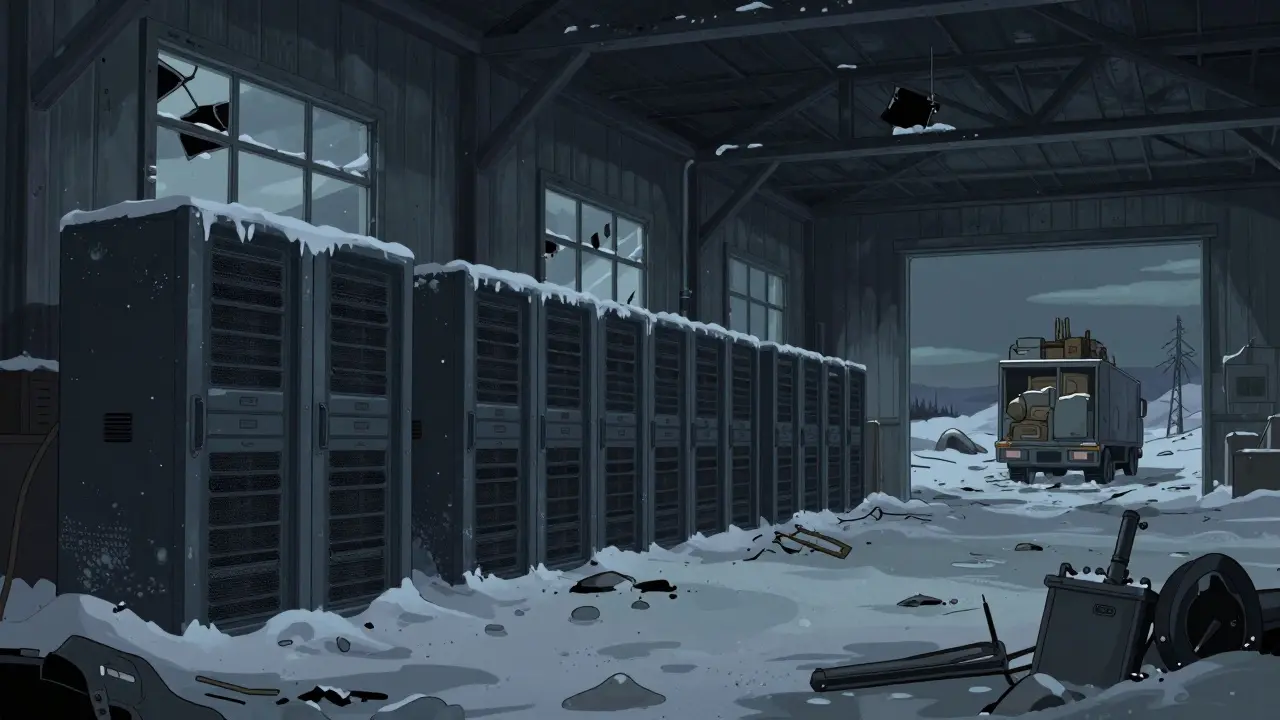
- Immediate Shutdowns: Many operators simply turned off their machines. With energy costs exceeding potential mining revenues, continuing to run was mathematically impossible.
- Equipment Relocation: Miners began packing up their ASIC miners and moving them to friendlier jurisdictions. Popular destinations included Kazakhstan, Texas, and parts of Canada.
- Stranded Assets: Companies that had built specialized facilities in Sweden found themselves with useless infrastructure. These purpose-built buildings became economic liabilities overnight.
- Grid Adjustments: Local energy grid operators had to adjust their distribution models suddenly, as large chunks of demand vanished.
By late 2023, reports indicated that virtually all commercial cryptocurrency mining operations had either shut down or relocated from Sweden. The country that once hosted 150 MW of mining capacity saw that number drop to near zero.
Sweden vs. The World: A Regulatory Contrast
Sweden’s approach stands out because it is so extreme compared to other countries. While some nations try to regulate mining, Sweden tried to erase it through taxation.
| Jurisdiction | Stance on Mining | Key Policy Feature |
|---|---|---|
| Sweden | Hostile | 6,000% energy tax increase; elimination of incentives |
| El Salvador | Embracing | Bitcoin as legal tender; state-backed mining projects |
| United States (Texas) | Favorable | Competitive energy prices; deregulated grid access |
| Norway | Moderate | Concerns about energy use, but no punitive taxes |
| Kazakhstan | Variable | Initially attractive due to cheap energy, though regulations fluctuate |
While El Salvador embraced Bitcoin as part of its national strategy, and U.S. states like Texas compete to attract miners with favorable energy policies, Sweden took the opposite path. Even neighboring Norway, which shares similar concerns about energy consumption, did not implement comparable tax penalties. This makes Sweden an outlier in Europe and a cautionary tale for other governments considering aggressive regulatory measures.
What This Means for the Future of Crypto Mining
Sweeden’s policy reversal sends a clear message: political winds can change quickly. For miners, this highlights the importance of diversifying locations and understanding local political risks. You cannot rely on a tax break forever.
For regulators, Sweden serves as a case study in how tax policy can be used to eliminate specific industrial activities. Other European governments are watching closely. Some may adopt similar measures if they face energy shortages or public backlash against crypto mining. Others may see Sweden’s harsh exit as a mistake that drove investment abroad.
The long-term implication is a fragmentation of the global mining landscape. Instead of centralized hubs like Sweden once was, mining will likely remain spread across multiple jurisdictions with varying degrees of friendliness. This decentralization adds resilience to the network but increases complexity for operators.
If you are involved in the crypto space, keep an eye on energy policy debates in Europe. Sweden showed us that when a government decides mining isn't worth the energy cost, they have the tools to make sure you leave.
When did Sweden eliminate crypto mining tax incentives?
Sweden announced the elimination of tax incentives and implementation of new taxes in its November 2022 budget. The changes officially took effect in July 2023.
How much did the energy tax for data centers increase in Sweden?
The energy tax increased from SEK 0.006 to SEK 0.36 per kilowatt hour, representing a 6,000% increase.
Why did Sweden target cryptocurrency miners specifically?
The government argued that crypto mining provided minimal economic benefit, created few jobs, and consumed excessive energy. Past incidents of miners leaving unpaid bills during the 2018 market crash also influenced the decision.
Did any mining operations stay in Sweden after the tax hike?
Virtually none. Reports indicate that by late 2023, almost all commercial mining operations had either shut down or relocated to more favorable jurisdictions like Kazakhstan, Texas, or Canada.
Is Sweden's approach unique among European countries?
Yes. While other EU members discuss regulation, Sweden implemented one of the most aggressive tax penalties globally. Neighbors like Norway have expressed concerns about energy use but have not enacted similar punitive taxes.