Crypto Token Allocation: How Distribution Shapes Value and Risk
When you hear crypto token allocation, the way a project hands out its tokens to founders, investors, team members, and the public, think of it like slicing a pie—not everyone gets the same piece, and who gets what decides if the whole thing tastes good or turns rotten. A fair crypto token allocation builds trust. A skewed one? That’s how you get tokens like FRP or PENGU—worthless because 90% went to insiders before anyone else even knew the name.
Token allocation isn’t just about percentages. It’s tied to tokenomics, the economic design behind a cryptocurrency that controls supply, utility, and how value flows. If a project dumps 40% of its tokens on early investors with no lock-up, those investors cash out fast—and the price crashes. That’s why Bifrost’s BNC airdrop worked: it rewarded users who actually used the network, not just wallets that showed up early. Compare that to Manna (MANNA), which gave free tokens to everyone but gave them zero way to spend or trade them. No utility. No allocation strategy that mattered.
Good allocation also links to token supply, the total number of tokens created and how they’re released over time. Bitcoin’s halving schedule is the gold standard—slow, predictable, and transparent. Meanwhile, meme coins like KORI or PENGU flood the market with quadrillions of tokens, making each one practically worthless. The real question isn’t how many tokens exist—it’s who holds them, when they can sell, and what they’re actually used for. That’s where token utility, the real-world function a token serves within its ecosystem comes in. BRIL gives players real rewards for gaming. BAKE rewards liquidity providers. DGTX powers a zero-fee exchange. Without utility, even a fair allocation means nothing.
You’ll find posts here that dig into exactly this: how BitBlinx and Bitsoda hid their token allocation behind fake promises, how Unocoin and Giottus keep things simple for beginners, and why validator nodes need staked tokens to stay secure. Some projects got it right. Most didn’t. This collection shows you how to spot the difference before you invest—because in crypto, who gets the tokens matters more than how flashy the website looks.
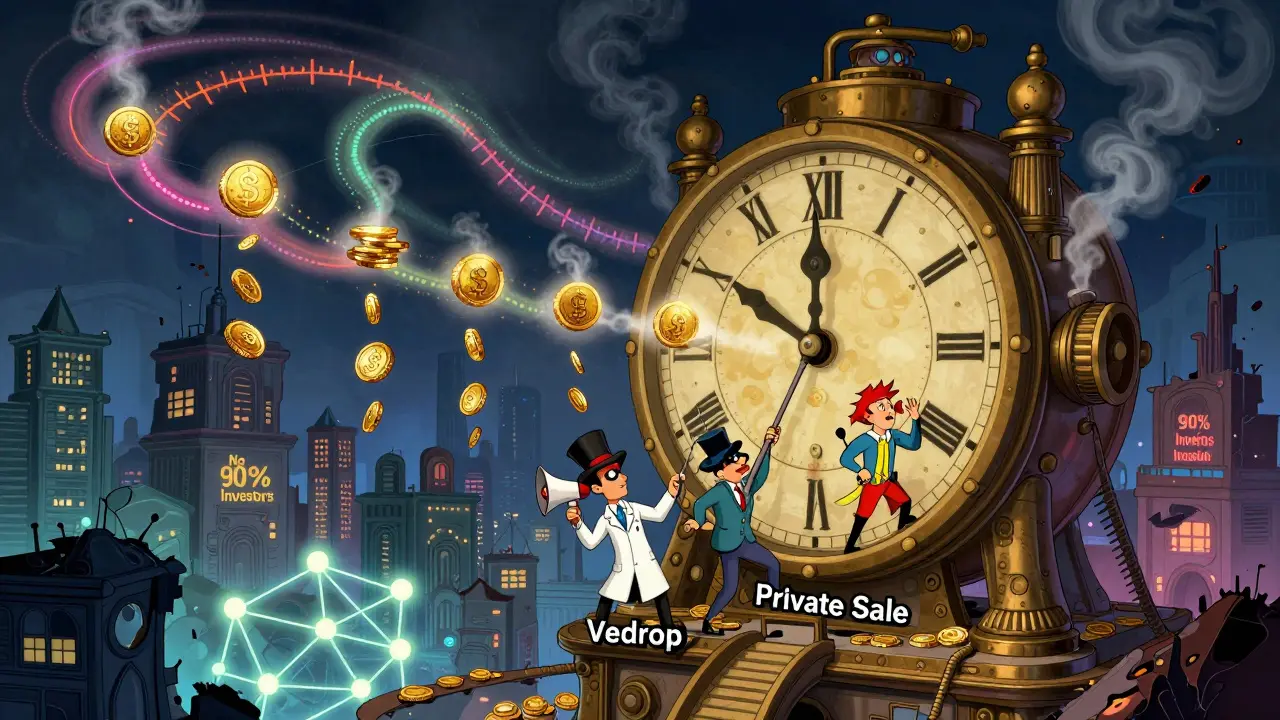
Token Distribution Models Explained: How Crypto Projects Allocate Tokens Fairly and Sustainably
Caius Merrow Dec, 7 2025 0Token distribution models determine how crypto tokens are allocated among investors, teams, and communities. Learn the five key methods, vesting schedules, legal risks, and what makes a model sustainable-or doomed.
More Detail