What is Vibing Cat (VCAT) Crypto? A Realistic Look at the Token
May, 9 2026
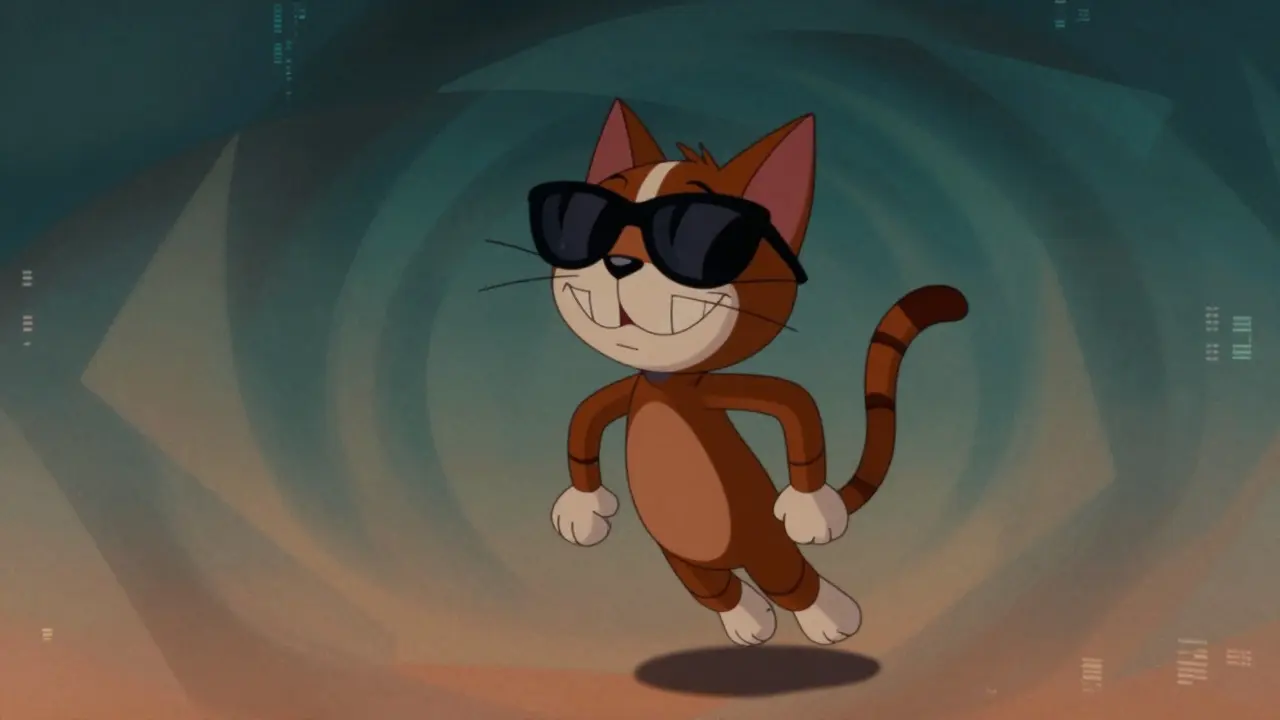
You’ve probably seen it pop up on your feed or heard whispers in a Discord channel. Vibing Cat (VCAT) is a meme cryptocurrency token built on the Solana blockchain that claims to be the most famous cat on the internet vibing online. It sounds fun, harmless, maybe even profitable if you catch it early. But here’s the hard truth: VCAT isn’t just another cute animal token. It’s a textbook example of what happens when hype meets zero utility and near-zero liquidity.
If you’re asking “What is Vibing Cat (VCAT) crypto coin?” because you want to buy some, hold on. This isn’t Dogecoin. It isn’t Shiba Inu. And it certainly isn’t Bitcoin. VCAT exists almost entirely as a speculative vehicle for traders looking for quick percentage gains from tiny amounts of capital. The problem? There’s very little left to gain-and plenty to lose.
The Basics: What Is VCAT Really?
Let’s strip away the marketing fluff. Vibing Cat is an SPL token on the Solana network with no smart contract functionality beyond basic transfers. That means it doesn’t have staking rewards, governance rights, NFT integrations, or any real-world use case. You can send it, receive it, and trade it-but only if someone else wants to do the same.
Here are the key numbers you need to know:
- Total supply: ~1.22 million VCAT tokens
- Circulating supply: Matches total supply (no locked or burned tokens)
- All-time high price: $21.86 (achieved shortly after launch)
- Current price range: $0.04-$0.09 (as of late 2023)
- Market cap: Under $100,000 across all major trackers
- 24-hour trading volume: Often less than $200-sometimes $0
Compare that to Dogecoin, which has a market cap over $12 billion and daily volumes exceeding $1 billion, and you’ll see why experts call VCAT a “low-cap meme token.” It’s not close to being mainstream. It’s barely visible.
Why Does VCAT Exist? The Meme Coin Reality
Meme coins started as jokes. Dogecoin was created to satirize Bitcoin’s seriousness. Shiba Inu followed as a community-driven experiment. Over time, some gained actual usage-Dogecoin is accepted by Tesla (for merchandise), PayPal, and other merchants. Shiba Inu launched its own ecosystem including Shibarium, an L2 blockchain.
VCAT has none of that. According to CoinCodex, VCAT demonstrates no discernible utility or ecosystem development. Its website (vibingcat.io) offers no whitepaper, roadmap, team info, or technical specs. The Twitter account (@VibingCatSolana) posted three times between July and September 2023, ending with a generic image of a cat “vibing.” No updates. No announcements. Just silence.
So why does it exist? Because creating a token on Solana costs pennies and takes minutes. Anyone can mint one, list it on Raydium, and hope someone buys it. VCAT fits this pattern perfectly. It’s not a project-it’s a product of accessibility, not ambition.
Liquidity Crisis: Why You Can’t Easily Buy or Sell
This is where things get dangerous for retail investors. Liquidity determines how easily you can enter or exit a position without moving the price drastically. For VCAT, liquidity is virtually nonexistent.
According to Raydium transaction data, attempting to trade more than $50 worth of VCAT typically results in 20-50% price slippage. That means if you try to sell $50 worth of VCAT, you might only receive $25-$40 due to lack of buyers. One user reported losing $120 trying to exit their position because there simply weren’t enough counterparties.
Even worse? Transaction failure rates hover around 68% on Raydium. Users spend an average of 22 minutes trying to execute trades before giving up. Imagine spending nearly half an hour just to fail at selling a few dollars’ worth of crypto. That’s not investing-that’s frustration.
| Token | Market Cap | 24h Volume | Slippage Risk (>=$50 Trade) | Primary Exchange |
|---|---|---|---|---|
| VCAT | ~$99K | $0-$186 | 20-50% | Raydium |
| Dogecoin | $12B+ | $1B+ | <1% | Binance, Coinbase, Kraken |
| Shiba Inu | $7B+ | $500M+ | <2% | Binance, Uniswap, KuCoin |
The takeaway? If you buy VCAT, don’t expect to sell it quickly-or at all-without taking massive losses. Illiquidity traps users who panic during downturns, forcing them to accept terrible prices or abandon their holdings entirely.
Who Holds VCAT? Concentration and Control Risks
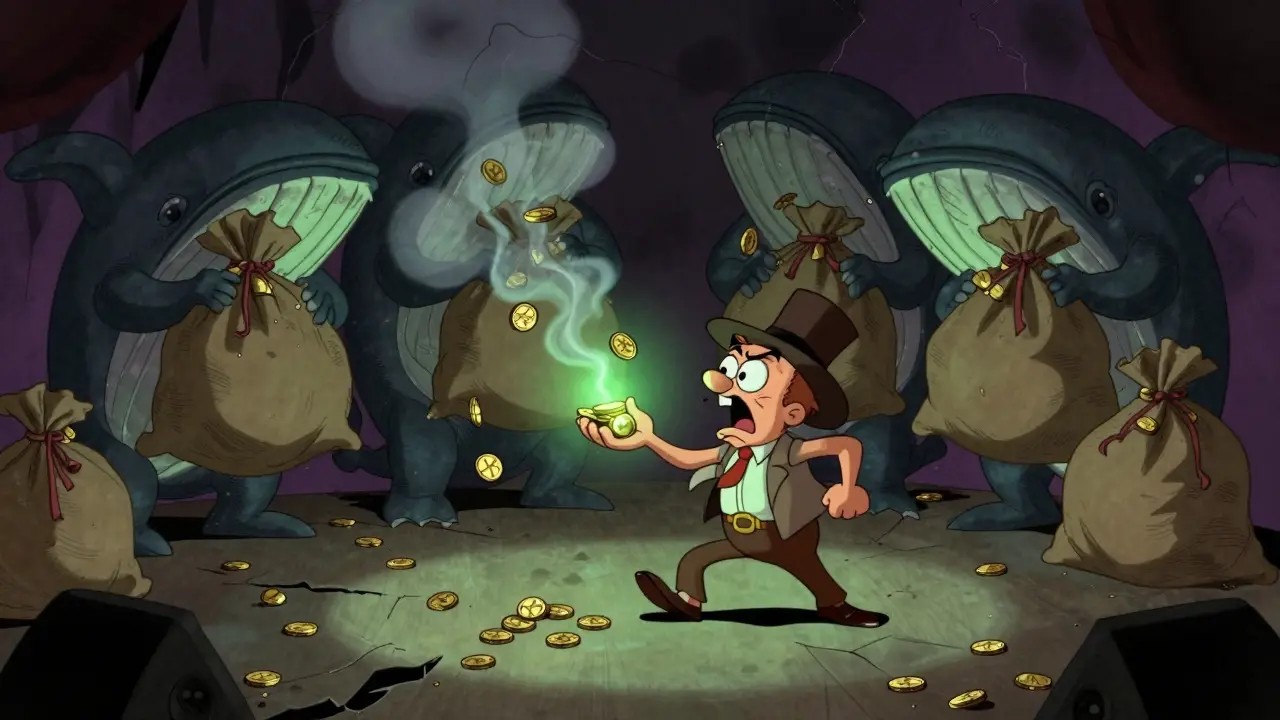
Another red flag: ownership concentration. Blockchain explorers show that the top 10 wallets control approximately 32.7% of all VCAT tokens. In a healthy market, whale dominance should stay below 20%. At 32%, those few holders could dump their bags simultaneously, crashing the price overnight.
Moreover, 92% of VCAT holders possess less than $100 worth of the token. These aren’t long-term believers-they’re speculators chasing micro-gains. When sentiment turns negative, they flee en masse, accelerating declines.
There’s also no verified contract address published officially. New users must rely on third-party sites like Holder.io or DexScreener to find the correct pair. Mistake the address once, and you could send funds to a fake token designed to steal your money. Security starts with transparency-and VCAT lacks both.
Price Predictions: Hope vs. Hard Data
Some platforms offer optimistic forecasts. Bitget projects VCAT reaching $0.19 by 2031-a 170% return on investment. CoinCodex predicts a drop to $0.035 by December 2025. Which one should you trust?
Neither. Here’s why:
First, these models assume current conditions persist. They ignore the fact that 89% of sub-$100K market cap tokens disappear within 18 months, according to Messari’s 2023 Meme Coin Survival Report. Second, they don’t account for regulatory shifts. SEC Chair Gary Gensler stated in September 2023 that unregistered tokens failing the Howey Test remain securities-potentially applying to VCAT.
Third, technical indicators point downward. As of September 2023, VCAT traded below its 50-day SMA ($0.113) and 200-day SMA ($0.106). RSI sat at 44.43-not oversold, but clearly bearish. Volatility stood at 11.65%, meaning wild swings are normal. Combine that with declining weekly performance (-26.4% per CoinGecko), and the trend is clear: erosion.
Optimism without foundation is fantasy. Be skeptical of anyone promising moonshots for dead-end assets.
Community Sentiment: Silence Speaks Volumes
A strong crypto project thrives on active communities. Reddit threads, Telegram groups, Twitter debates-all signs of engagement. VCAT has none of that.
Reddit discussions mention VCAT in just 17 posts across r/SolanaMemeCoins. Most describe impossible exits, extreme slippage, and abandoned support channels. Trustpilot shows zero reviews. CoinGecko displays no user ratings. LunarCrush analyzed @VibingCatSolana’s followers and found 87% of recent mentions used words like “scam” or “rugged.”
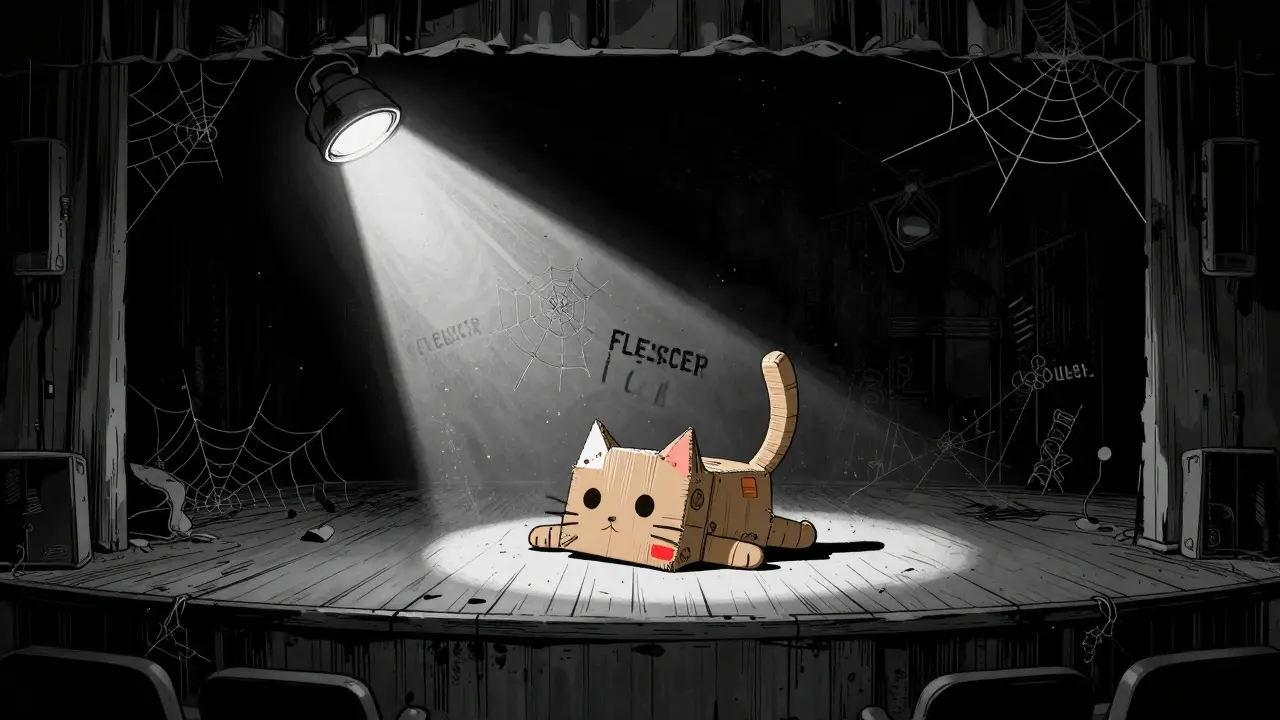
The official Telegram group has 87 members. Last message? September 5, 2023. After that, radio silence. Support requests go unanswered for weeks. Documentation? Nonexistent. Roadmap? Never released. Team identity? Unknown.
In short: nobody cares about VCAT anymore. And that’s exactly why it’s risky.
Should You Invest in VCAT? Honest Advice
If you’re reading this hoping for permission to buy VCAT, here’s my honest take: don’t. Not unless you treat every dollar spent as entertainment money-gone forever.
Consider this checklist before proceeding:
- Can you afford to lose 100% of your investment? If yes, proceed cautiously.
- Do you understand slippage, gas fees, and DEX mechanics? If not, pause.
- Have you verified the contract address independently? Double-check everything.
- Are you prepared to wait days-or never-to exit your position? Accept reality.
- Is this purchase driven by FOMO or research? Reflect honestly.
If you answered “no” to any question above, walk away. There are safer ways to explore crypto. Start with established coins, learn DeFi basics, join active communities, and build knowledge first. Speculation comes later-with discipline.
Remember: low-cap meme coins thrive on novelty, not sustainability. Once the joke fades, so does the value. VCAT already feels old news. Don’t bet on resurrection.
Is Vibing Cat (VCAT) a scam?
While not definitively proven fraudulent, VCAT exhibits many traits associated with rug pulls: anonymous creators, no utility, minimal liquidity, inactive social media, and concentrated wallet holdings. Without transparency or accountability, treating it as potentially deceptive is prudent.
Where can I buy VCAT?
VCAT trades exclusively on Raydium via the VCAT/SOL-2 pair. You’ll need a Solana-compatible wallet like Phantom or Sollet, plus SOL for gas fees. Always verify the contract address manually-never copy-paste blindly.
Will VCAT ever reach $1 again?
Highly unlikely. With a market cap under $100K and negligible volume, reaching $1 would require inflating the market cap past $1.2M-an unrealistic feat given current interest levels and structural weaknesses.
How many people hold VCAT?
Approximately 9,620 unique addresses hold VCAT, according to CoinMarketCap. However, 92% own less than $100 worth, indicating widespread small-scale speculation rather than committed adoption.
What makes VCAT different from other meme coins?
Nothing positive. Unlike Dogecoin or Shiba Inu, VCAT lacks merchant acceptance, ecosystem expansion, developer activity, or community growth. It’s purely speculative with no path toward legitimacy.
Can I stake or earn yield with VCAT?
No. VCAT has no staking mechanism, liquidity pools, or DeFi integrations. It functions solely as a transferable asset with no passive income potential.
Is VCAT listed on Binance or Coinbase?
No. VCAT is not available on major centralized exchanges. All trading occurs through decentralized platforms like Raydium, increasing risk and reducing accessibility.
What happened to the VCAT team?
The team remains anonymous and inactive. Their last public post was in September 2023, featuring a generic image. No GitHub repos, no updates, no communication-suggesting abandonment.