AirCoin (AIR) Airdrop: Is It Real or a Scam? Complete Safety Guide
Jun, 30 2026
You see a notification pop up on your screen. It promises free AirCoin tokens just for signing up. The design looks sleek, the promise is huge, and the timer is ticking down. Your heart races. Could this be the next big thing in crypto? Or is it a trap designed to drain your wallet?
Here is the hard truth: As of late 2026, there is no credible, verified information about a legitimate project called AirCoin with the ticker symbol AIR. Major tracking platforms like CoinGecko, CoinMarketCap, and Bitget Academy do not list an official "AirCoin" airdrop program. When you cannot find a project on these authoritative sources, the risk level jumps from "caution" to "danger zone."
This article isn't just about saying "no." It’s about teaching you how to spot the difference between a genuine opportunity and a sophisticated phishing scheme disguised as an airdrop. We will break down why this specific name triggers red flags, how scammers operate in 2026, and exactly what steps you need to take to protect your digital assets.
The Silence of Authority: Why You Can't Find AirCoin
In the world of cryptocurrency, visibility equals legitimacy. Legitimate projects spend months building hype through verified channels. They announce partnerships, publish whitepapers, and engage with communities on official Discord servers and Twitter accounts that have blue checks and long histories.
When I search for "AirCoin AIR airdrop," the results are sparse or non-existent on reputable sites. Compare this to major ongoing distributions we know are real:
- Jupiter (JUP): The Solana-based DEX aggregator has a transparent plan to distribute billions of tokens over two years to its user base.
- Berachain (BERA): This Ethereum Layer 2 solution distributed millions of tokens to early testnet participants after extensive public testing.
- Optimism (OP): Their treasury reserves significant portions for future community rewards, tracked publicly on-chain.
If AirCoin were a serious contender, it would appear alongside these names. Instead, you likely found it through a suspicious Telegram link, an unsolicited email, or a paid ad on a social media platform. This absence from primary data sources is the first and biggest warning sign.
Anatomy of a Fake Airdrop in 2026
Scammers have evolved. They don't just send you a fake check anymore; they use smart contracts and psychological manipulation. Here is how the "AirCoin" style scam typically works:
- The Hook: You are told that "AirCoin" is the next utility token for AI-driven trading or decentralized aviation logistics. The story sounds plausible because it uses buzzwords.
- The Connection: To claim your reward, you must connect your Web3 wallet (like MetaMask or Phantom) to their website. They might ask you to approve a transaction to "verify eligibility."
- The Drain: That approval isn't for verification. It is a malicious contract permission. Once you click "Sign," the script executes. It doesn't just take the small amount of gas fee; it drains your entire balance of ETH, SOL, or USDT depending on the network.
- The Ghosting: Within minutes, the website goes offline. The Telegram group is deleted. The Twitter account is suspended. You are left with an empty wallet and a lesson learned the hard way.
This method exploits the complexity of blockchain interactions. Many users still don't understand that clicking "Approve" on a random site gives that site permanent access to your funds until you manually revoke it-a step most people never take.
How to Verify Any Crypto Project Before Clicking
You don't need to be a developer to spot a fake. You just need a checklist. Use this framework every time you encounter an unknown token or airdrop offer.
| Check Point | Legitimate Project | Suspicious/Scam Project |
|---|---|---|
| Website Domain | Old domain age (1+ years), HTTPS secure, professional design | Newly registered domain (days/weeks old), misspellings, cheap template look |
| Team Identity | Public founders with LinkedIn profiles and past industry experience | Anonymous team, stock photos, or stolen bios from other projects |
| Token Contract | Verified source code on Etherscan/Solscan, audited by firms like CertiK or Trail of Bits | Unverified code, no audit reports, or audits from unknown "firms" created yesterday |
| Community Presence | Active, organic discussion on Discord/Twitter with real questions and answers | Bots spamming "To the moon!", links to referral programs, or silence outside of promo posts |
| Data Aggregators | Listed on CoinGecko, CoinMarketCap, DefiLlama with historical data | Not listed, or only appears on obscure, unverified trackers |
Apply this to AirCoin. Does it have a verified contract address? Who is the lead developer? If the answers are vague or missing, walk away. Genuine projects have nothing to hide because their value comes from utility and technology, not deception.
The Psychology Behind "Free" Tokens
Why do people fall for scams even when warned? Because of FOMO (Fear Of Missing Out). Scammers exploit our desire for quick gains. They create artificial urgency with countdown timers and limited supply claims.
Consider the math. If a project is giving away millions of dollars worth of tokens for free, why aren't they hiring top-tier marketing agencies? Why aren't they partnering with established exchanges like Binance or Coinbase? Legitimate businesses invest in growth. Scammers invest in volume-trying to trick as many people as possible before the rug pull.
Remember the story of the "SafeMoon" era or various NFT wash-trading schemes. The pattern repeats. New names, same tactics. "AirCoin" fits the profile of a generic name chosen to sound trustworthy but lacking any unique identity or technical substance.
Protecting Your Wallet: Practical Steps
If you are curious about crypto airdrops, you can participate safely by following strict hygiene practices. Here is how to stay safe in 2026:
- Use a Burner Wallet: Never connect your main wallet holding your life savings to new or unverified websites. Create a separate MetaMask or Phantom wallet with only a small amount of funds for gas fees.
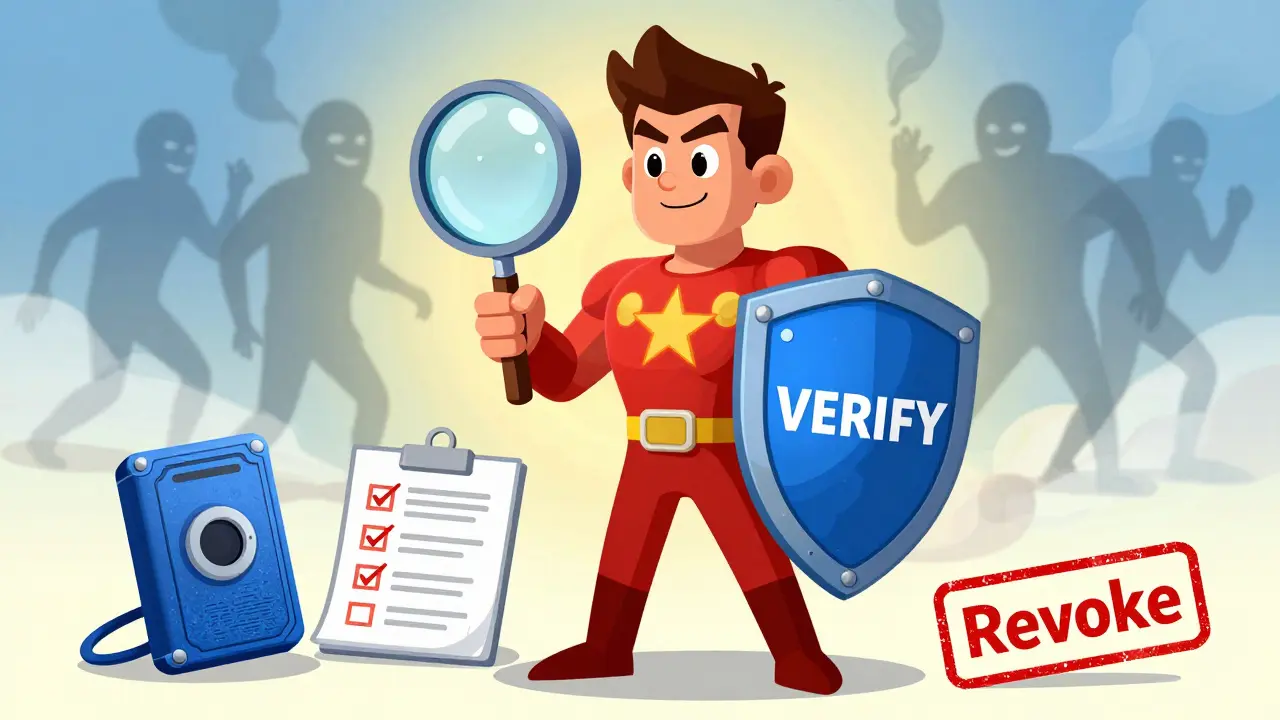
- Revoke Permissions Regularly: Use tools like Revoke.cash to check which websites have access to your wallet. If you see a site you don't recognize or no longer use, revoke its access immediately.
- Verify URLs Manually: Do not click links in emails or DMs. Type the project's URL directly into your browser or copy it from a trusted source like CoinGecko.
- Check Contract Addresses: Always cross-reference the token contract address provided in the airdrop announcement with the one listed on official block explorers. One character difference means it’s a fake token.
- Enable Hardware Security: For significant holdings, use a hardware wallet like Ledger or Trezor. These devices require physical confirmation for transactions, adding a layer of protection against remote malware.
What To Do If You Already Connected
Panic helps no one. If you connected your wallet to a suspicious AirCoin site, act fast:
- Disconnect Immediately: Go to your wallet settings and disconnect the site.
- Check Transaction History: Look at your recent transactions on Etherscan or Solscan. Did any funds leave your wallet?
- Revoke Approvals: Visit Revoke.cash, connect your wallet, and revoke any approvals granted to the suspicious contract address.
- Move Remaining Funds: Transfer any remaining assets to a new, clean wallet address. Assume your current private key or seed phrase may be compromised if you entered it anywhere online (which you should never do).
- Report the Scam: Flag the website and social media accounts to the respective platforms and report the incident to local cybercrime authorities.
Real Alternatives to Watch in 2026
Instead of chasing ghosts like AirCoin, focus on projects with transparent roadmaps and active development. The crypto space is full of legitimate opportunities for those who do their homework.
Look into ecosystems that reward participation through verifiable on-chain activity. For example, networks like Arbitrum and Optimism have structured retroactive funding models where contributors are rewarded based on actual usage and impact, not just signing up. DeFi protocols often offer yield farming opportunities where risks are clearly defined by interest rates and impermanent loss, rather than hidden by vague promises of free money.
Education is your best defense. Subscribe to newsletters from reputable analysts, follow developers on GitHub, and join communities where technical discussions happen. If everyone is talking about how rich they got overnight, it’s a scam. If people are discussing code updates, governance proposals, and bug fixes, it’s a project worth watching.
Is AirCoin (AIR) a legitimate cryptocurrency?
As of late 2026, there is no evidence of a legitimate project named AirCoin with the ticker AIR. It does not appear on major tracking platforms like CoinGecko or CoinMarketCap, and lacks a verifiable team or audited smart contract. Treat any offers related to it as high-risk scams.
How can I tell if an airdrop is a scam?
Red flags include newly registered domains, anonymous teams, requests to connect your main wallet, pressure to act quickly, and absence from reputable crypto data aggregators. Always verify the contract address and use a burner wallet for unknown sites.
What should I do if I connected my wallet to a fake airdrop site?
Immediately disconnect the site, check your transaction history for unauthorized transfers, revoke all permissions using tools like Revoke.cash, and move any remaining funds to a new wallet. Never reuse the compromised wallet address.
Are there any safe crypto airdrops available in 2026?
Yes, but they come from established projects with clear documentation. Examples include Jupiter (JUP) on Solana and various Layer 2 solutions like Optimism and Arbitrum. Always research the project's history, team, and tokenomics before participating.
Why do scammers use names like AirCoin?
Scammers use generic, trustworthy-sounding names to lower victims' guard. Names like "Air," "Sky," or "Cloud" imply lightness, freedom, or technology without referencing specific, verifiable entities, making it harder for users to find negative reviews or confirm legitimacy.