How North Korea Funds WMD Programs with Stolen Crypto
Sep, 19 2026
Imagine a country under some of the tightest economic sanctions in history, struggling to buy basic goods, yet somehow managing to test intercontinental ballistic missiles that can reach New York. Where does the money come from? It doesn't flow through traditional banks or oil exports. Instead, it flows through digital wallets, stolen from exchanges and investors worldwide. North Korea has turned cryptocurrency theft into a critical revenue stream for its weapons of mass destruction (WMD) programs. This isn't just petty hacking; it is state-sponsored cyber warfare where every stolen Bitcoin helps fund a nuclear warhead.
The scale is staggering. Between 2017 and 2023, North Korean hackers swiped an estimated $3 billion in digital assets. That’s not pocket change. For a regime isolated from the global financial system, this cash injection keeps the military-industrial complex humming. But how exactly do they pull it off? And why is this specific type of crime so hard to stop?
Three Ways Pyongyang Steals Your Digital Cash
It’s tempting to think of crypto theft as one big heist, but North Korea uses three distinct methods to acquire funds. According to analysis from the Harvard Belfer Center, these range from legitimate-but-inefficient tactics to outright criminal hijacking.
- Mining: Technically legal, but inefficient. North Korea lacks the stable electricity infrastructure needed for energy-intensive mining operations. While they do mine, it’s slow and costly compared to stealing existing coins.
- Initial Coin Offerings (ICOs): Think of this as a fake IPO. Companies raise capital by selling new tokens. North Korea tried this once with "Marine Chain" in 2018, a fraudulent scheme that raised eyebrows but didn’t generate massive long-term revenue compared to hacks.
- Cryptojacking and Hacks: This is the big one. It involves breaching security systems to steal private keys directly. Once stolen, the funds are laundered through "mixers" to hide their origin before being converted back into usable currency.
The third method poses the highest threat. Why? Because it bypasses the need for physical borders or banking relationships. You don’t need a visa to hack a server in Tokyo or a wallet in London. The decentralized nature of blockchain means there’s no central authority to freeze the transaction instantly, giving North Korean operatives a narrow but crucial window to move money.
The Human Element: Fake IT Workers and Social Engineering
Forget the stereotype of hooded figures typing furiously in dark rooms. Modern North Korean cyber operations look more like aggressive recruitment drives. The Lazarus Group, also known as APT38 or TraderTraitor, employs thousands of operatives globally. Their primary tool isn’t always malware; it’s deception.
Operatives pose as remote workers from Canada, Japan, or the US. They forge resumes, create fake LinkedIn profiles, and conduct video interviews wearing masks or using deepfake technology to hide their identity. Once hired by a tech or crypto firm, they infiltrate the company’s network. They might spend months just building trust before executing a supply chain attack or phishing campaign. This human-centric approach allows them to access internal systems that firewalls alone couldn’t breach.
| Method | Efficiency | Risk Level | Primary Tactic |
|---|---|---|---|
| Mining | Low | Low | Resource-intensive computation |
| Fraudulent ICOs | Medium | Medium | Marketing hype & token sales |
| Hacking/Cryptojacking | High | High | Social engineering & technical breaches |
Laundering Billions Through Mixers
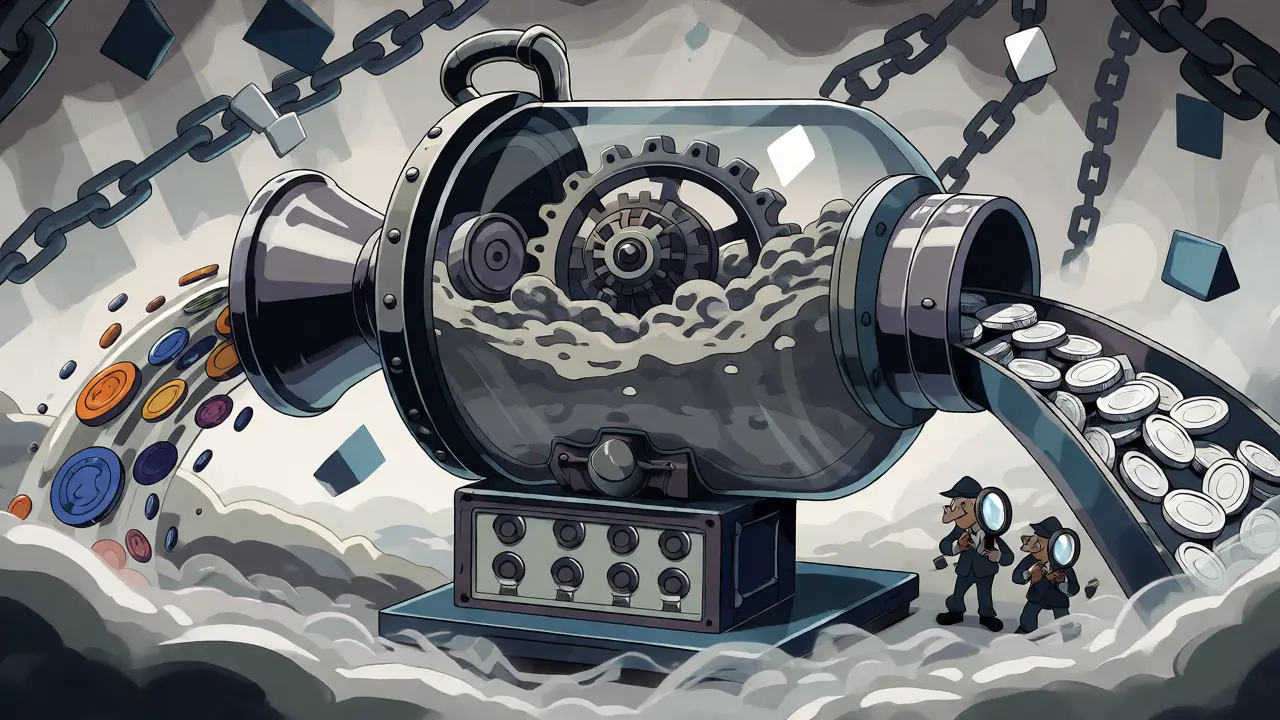
Stealing the crypto is only half the battle. If you trace the blockchain, you see the money moving from a victim’s address to a thief’s. To avoid detection, North Korea relies heavily on crypto mixers (also called tumblers). These services pool cryptocurrency from many users, shuffle it around, and send it out again. It breaks the direct link between the source and the destination.
Once mixed, the funds are often moved through a series of intermediate wallets before being exchanged for fiat currency or other cryptocurrencies like Monero, which offers even greater privacy. The FBI has tracked specific movements, identifying six Bitcoin addresses currently holding over $40 million worth of stolen funds linked to TraderTraitor-affiliated actors. These aren’t random numbers; they are part of a structured laundering pipeline designed to reintegrate dirty money into the clean economy.

Why Sanctions Don’t Stop the Flow
Traditional sanctions rely on cutting off access to SWIFT, blocking bank transfers, and restricting trade. But cryptocurrency operates outside this framework. There is no central clearinghouse for Bitcoin transactions. When a North Korean hacker steals ETH from a decentralized exchange, there’s no bank branch to call and say, "Please hold this transfer."
This regulatory gap is what makes crypto such an attractive loophole. The United Nations Security Council has imposed strict limits on North Korea’s exports and imports, but enforcing those rules on digital assets is notoriously difficult. DeFi (Decentralized Finance) platforms allow peer-to-peer transactions without intermediaries, meaning fewer checkpoints for authorities to monitor. As long as the market accepts the liquidity provided by these stolen funds, the regime can continue to finance its missile tests.
The Global Response: From Defense to Offense
For years, the response was purely defensive-patching software and educating users. But the sheer volume of theft has forced a shift. South Korea, along with the US and Japan, formed a trilateral working group in late 2023 to coordinate countermeasures. Experts like Lim Jong-in, a cybersecurity advisor to the South Korean president, argue that passive defense is no longer enough. The new strategy leans toward offensive capabilities, aiming to disrupt the infrastructure supporting these theft operations.
In the US, lawmakers like Senators Elizabeth Warren and Jack Reed have pressed the Treasury Department for stronger actions following high-profile incidents like the Bybit hack. The State Department now explicitly lists crypto theft alongside drug trafficking as key revenue sources for the Kim regime. Rewards of up to $15 million are offered for information leading to the disruption of these networks, signaling that intelligence agencies view this as a top-tier national security priority.
What This Means for Crypto Investors
If you hold cryptocurrency, you’re indirectly funding geopolitical conflicts. Every major exchange breach potentially enriches a rogue state. But it’s not all doom and gloom. The industry is adapting. Exchanges are implementing stricter KYC (Know Your Customer) protocols and integrating blockchain analytics tools to flag suspicious activity faster. Some platforms now use AI to detect patterns associated with mixer usage or rapid movement between unconnected wallets.
However, the cat-and-mouse game continues. As security improves, so do the hacks. North Korean groups are increasingly targeting smaller, less protected firms rather than going after giants like Coinbase or Binance. They exploit vulnerabilities in smart contracts, bridge protocols, and individual user error. The lesson? Security isn’t just about the platform; it’s about the ecosystem surrounding it.
Frequently Asked Questions
How much cryptocurrency has North Korea stolen?
Estimates vary, but UN investigators and US intelligence reports suggest between $2 billion and $3 billion stolen between 2017 and 2023. Recent annual assessments indicate hundreds of millions are taken each year, making it a vital component of the regime's foreign exchange reserves.
Which North Korean group is responsible for most crypto hacks?
The Lazarus Group (also known as APT38 or TraderTraitor) is the primary actor. They operate under the Reconnaissance General Bureau, North Korea’s main foreign intelligence agency, and report directly to the leadership in Pyongyang.
Do crypto mixers make stolen money untraceable?
Not entirely. While mixers obscure the direct path, sophisticated blockchain analytics firms and law enforcement agencies can still track patterns, timing, and cluster behaviors. However, mixers significantly increase the time and resources required to trace funds, allowing thieves to cash out before authorities intervene.
Is mining cryptocurrency illegal for North Korea?
Mining itself is generally not considered a violation of international sanctions unless it involves prohibited equipment or generates significant export revenue. However, it is inefficient for North Korea due to power shortages, so they prefer theft over generation.
How do North Korean hackers get jobs at Western companies?
They use elaborate social engineering schemes. Operatives create fake identities, often posing as remote workers from countries like Canada or Japan. They submit forged credentials and conduct video interviews, sometimes using props or lighting tricks to hide their true location and appearance.