Legal Penalties for Crypto Trading in Bolivia: What You Need to Know
Oct, 30 2026
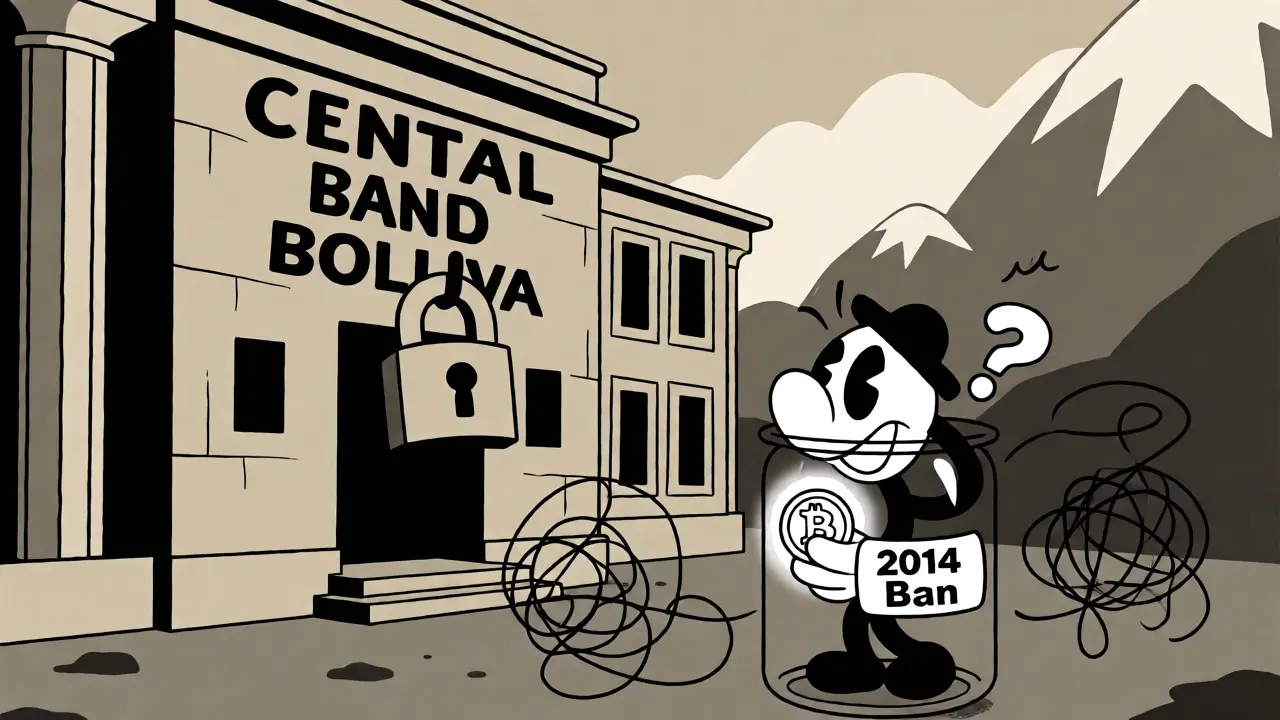
Imagine waking up one day and finding out that the digital money you’ve been quietly accumulating is suddenly illegal. For a decade, that was reality in Bolivia. Since 2014, the country enforced a strict ban on cryptocurrencies, driven by fears of financial instability and capital flight. But times have changed. As of late 2024, Bolivia lifted its prohibition, opening the door to regulated crypto trading. Yet, this new freedom comes with strings attached. If you’re wondering whether you’ll face fines or jail time for buying Bitcoin in La Paz today, the answer isn’t a simple yes or no. It depends entirely on how you trade.
The shift from total ban to regulated acceptance marks a pivotal moment for Latin American finance. While the Central Bank of Bolivia (BCB) now allows transactions, they aren’t free-for-all activities. The government has established a tight corridor through which all crypto must flow. Stepping outside this corridor triggers legal risks. This article breaks down exactly what those risks are, who enforces them, and what happens if you ignore the rules.
From Prohibition to Regulation: A Brief History
To understand the current penalties, you need to know where we came from. In 2014, the BCB issued Resolution No. 097/2014, declaring that banks could not handle cryptocurrency transactions. Effectively, this froze the market. Any attempt to buy or sell crypto involved moving money through informal channels, often putting users at risk of being flagged for money laundering or unauthorized foreign exchange operations.
The turning point arrived in June 2024 with Board Resolution N°082/2024. This document repealed the old bans and introduced Electronic Payment Instruments (EPIs) as a legal way to interact with virtual assets. The impact was immediate. According to BCB data, crypto transaction volumes skyrocketed by 630% within a year. Values jumped from $46.5 million in early 2024 to nearly $294 million by mid-2025. This explosion proves demand existed, but it also put regulators on high alert. They needed to ensure this growth didn’t destabilize the Boliviano, the national currency.
Who Watches the Wallet? Key Regulatory Bodies
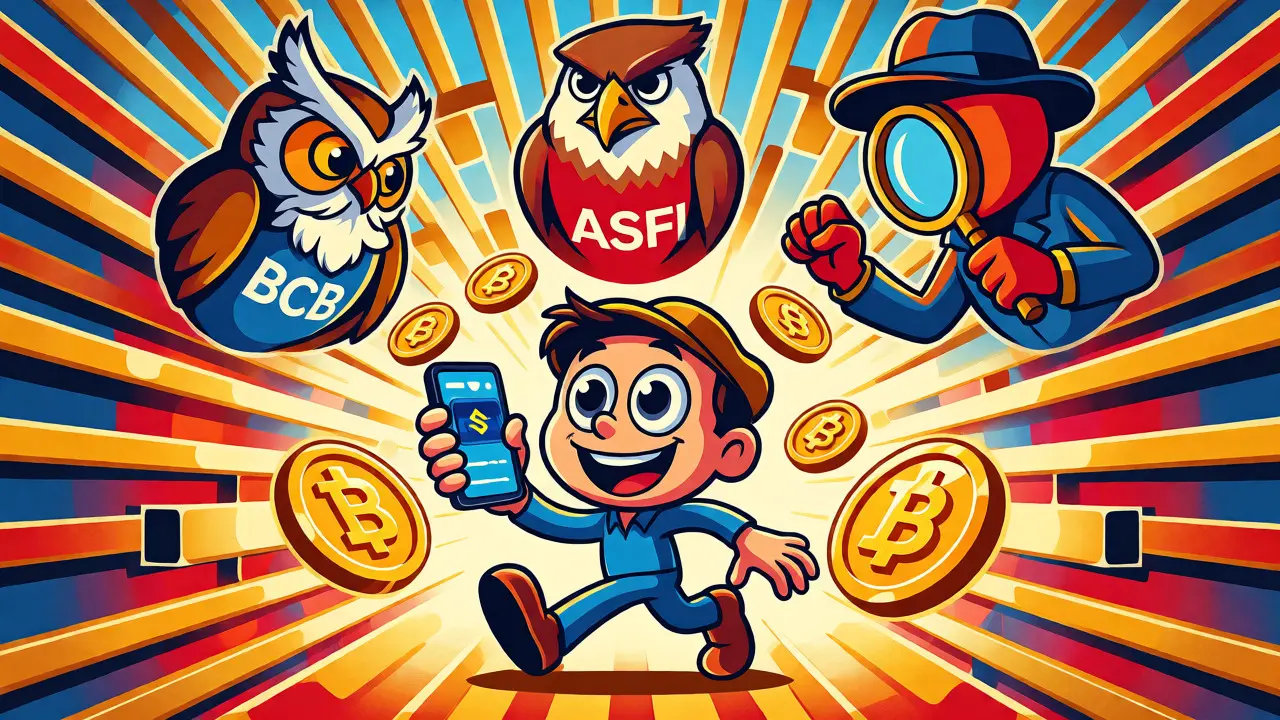
You might think one agency controls everything, but Bolivia uses a multi-layered approach. Knowing who is watching helps you stay compliant.
- Central Bank of Bolivia (BCB): The primary authority. They set the rules for monetary policy and determine what constitutes a valid payment instrument.
- Financial System Supervisory Authority (ASFI): ASFI oversees banks and financial institutions. If your bank account gets frozen due to suspicious crypto activity, ASFI is likely the body investigating the institution’s compliance.
- Financial Investigations Unit (UIF): This unit focuses on anti-money laundering (AML). They monitor large or unusual transfers to prevent illicit funds from entering the formal economy.
These entities don’t just sit back; they actively cross-reference transactions against international sanctions lists. If you send money to a wallet associated with sanctioned entities, your local bank may block the transfer automatically. There is no appeal process for these automated blocks until the investigation clears.
What Is Actually Legal Now?
It is crucial to distinguish between "legal" and "legal tender." Cryptocurrencies like Bitcoin and Ethereum are legal to own and trade, but they are not legal tender. This means you cannot force a shopkeeper in Santa Cruz to accept Bitcoin for a loaf of bread. However, businesses can settle invoices and payroll using stablecoins like USDC or USDT, provided they use licensed financial institutions.
| Activity | Status | Risk Level |
|---|---|---|
| Owning Crypto | Legal | Low |
| Trading via Licensed Banks | Legal | Low |
| Using Stablecoins for Payroll | Legal (via EPIs) | Medium (requires reporting) |
| P2P Cash Trades | Grey Area / High Risk | High |
| Unlicensed Exchange Services | Illegal | Very High |
The key takeaway here is channel dependency. Your crypto is safe if it moves through authorized electronic payment channels. If you bypass these channels, you enter a zone of regulatory uncertainty.
The Real Penalties: What Happens If You Break the Rules?
So, what are the actual legal penalties for crypto trading in Bolivia? Unlike some countries with fixed fines for minor infractions, Bolivia’s current framework relies heavily on administrative enforcement and case-by-case review. There is no single "crypto fine" listed in a public tariff. Instead, penalties stem from violating broader financial laws.
If you conduct business in crypto without registering with the appropriate authorities, you face administrative sanctions. These can include hefty fines determined by the severity of the violation and the volume of unreported transactions. For individuals, the most common consequence isn’t a direct fine from the BCB, but rather banking restrictions. Banks are required to report daily on crypto-related flows. If they detect non-compliant behavior-such as frequent large transfers to unknown wallets-they can freeze accounts or close relationships entirely.
For businesses, the stakes are higher. Operating an unlicensed exchange service is a serious offense. Regulators view this as providing financial services without a license, which carries significant monetary penalties and potential operational shutdowns. Furthermore, failing to pay taxes on commercial crypto profits exposes companies to audits and back-taxes plus interest.
Taxation: The Silent Penalty
Many traders overlook tax obligations, assuming that because crypto isn’t legal tender, it isn’t taxable. That’s a dangerous assumption. Bolivia does not currently impose a specific capital gains tax on individual traders who buy and hold. If you bought Bitcoin in 2023 and sold it in 2025 for a profit, you generally do not owe income tax on that gain personally.
However, the situation changes if you treat crypto as a business. Mining operations, staking rewards, and professional trading firms fall under corporate income tax (CIT). The rate is 25%. If you run a mining rig farm in El Alto and generate revenue, you must declare that income. Failure to do so leads to standard tax evasion penalties, which include fines proportional to the unpaid tax amount. This distinction is vital: personal hobbyist trading is largely tax-free, while commercial activity is fully taxed.

Enforcement Mechanisms and Practical Risks
How do authorities catch violators? It’s mostly about data trails. Banco Bisa, one of Bolivia’s leading banks, launched a stablecoin custody service in October 2024, focusing on Tether (USDT). This move signaled that major players are integrating into the regulated system. Consequently, off-exchange peer-to-peer (P2P) trades carry higher risk.
When you trade P2P using cash or informal bank transfers, you lack the audit trail that regulators prefer. If the Financial Investigations Unit flags your account for irregular patterns-such as receiving multiple small deposits from different people followed by a large withdrawal-they may launch an inquiry. While there is no mandatory jail time for simple trading violations, prolonged investigations can tie up your assets for months.
Additionally, Bolivia has signed a Memorandum of Understanding with El Salvador’s National Commission for Digital Assets. This cooperation suggests that Bolivia is adopting more sophisticated oversight tools. Expect stricter monitoring of cross-border flows and greater scrutiny of exchanges operating regionally.
Best Practices to Avoid Legal Trouble
You don’t need to be a lawyer to stay compliant. Follow these practical steps to minimize your risk:
- Use Licensed Channels: Always buy and sell through banks or exchanges registered with ASFI. Avoid obscure platforms that don’t list their Bolivian registration number.
- Keep Records: Save every transaction receipt. If audited, you need to prove the source of funds and the nature of the transaction.
- Declare Business Income: If you mine or stake, consult a local accountant. Don’t assume the "no capital gains tax" rule applies to business revenue.
- Avoid Large Cash Swaps: Moving large amounts of cash for crypto increases suspicion. Stick to electronic transfers linked to your bank account.
- Stay Updated: Regulations are evolving rapidly. Check the BCB website regularly for new resolutions regarding EPIs.
The goal of the current regime isn’t to punish investors but to integrate crypto into the formal economy. By using authorized channels, you align yourself with the state’s objectives and significantly reduce your exposure to penalties.
Is Bitcoin legal tender in Bolivia?
No, Bitcoin is not legal tender. Only the Boliviano is recognized as official currency for settling debts. However, owning and trading Bitcoin is legal if done through authorized financial channels.
Do I have to pay taxes on crypto profits in Bolivia?
Individual traders generally do not pay capital gains tax on crypto profits. However, businesses engaged in mining, staking, or professional trading are subject to a 25% Corporate Income Tax on their earnings.
Can I get fined for using Binance in Bolivia?
There is no direct fine for simply having a Binance account. However, if you fund your account through unregistered channels or fail to report large inflows/outflows, your bank may flag the activity, leading to account freezes or administrative inquiries.
What happens if I trade crypto for cash on the street?
Peer-to-peer cash trades are risky. They lack the transparency required by the Central Bank. While not explicitly criminalized for individuals, these trades can trigger anti-money laundering checks, potentially resulting in frozen bank accounts until the source of funds is proven.
Which agencies enforce crypto laws in Bolivia?
The Central Bank of Bolivia (BCB) sets the main policies. The Financial System Supervisory Authority (ASFI) monitors banks, and the Financial Investigations Unit (UIF) handles anti-money laundering concerns.