Real Estate RWA Tokenization: How Blockchain Turns Property into Digital Assets
Jun, 5 2026
Imagine buying a slice of a luxury apartment in London or a commercial warehouse in Miami without needing hundreds of thousands of dollars. You don’t need to take out a mortgage, deal with a landlord, or worry about fixing leaky faucets. Instead, you buy a digital token on your phone, and that token represents your legal share of the building’s profits. This is not science fiction; it is the reality of real estate RWA tokenization.
In 2026, the gap between traditional property markets and blockchain technology has narrowed significantly. Real World Asset (RWA) tokenization allows physical assets-like buildings, land, and development projects-to be converted into digital tokens on a blockchain. Each token acts as a certificate of ownership. If the property generates rent, those earnings are distributed automatically to token holders. The market for these assets exploded recently, growing over 60% to reach $13.5 billion by late 2024. Experts project this could hit $2 trillion by 2030. But how does it actually work, and is it safe for your money?
What Is Real Estate RWA Tokenization?
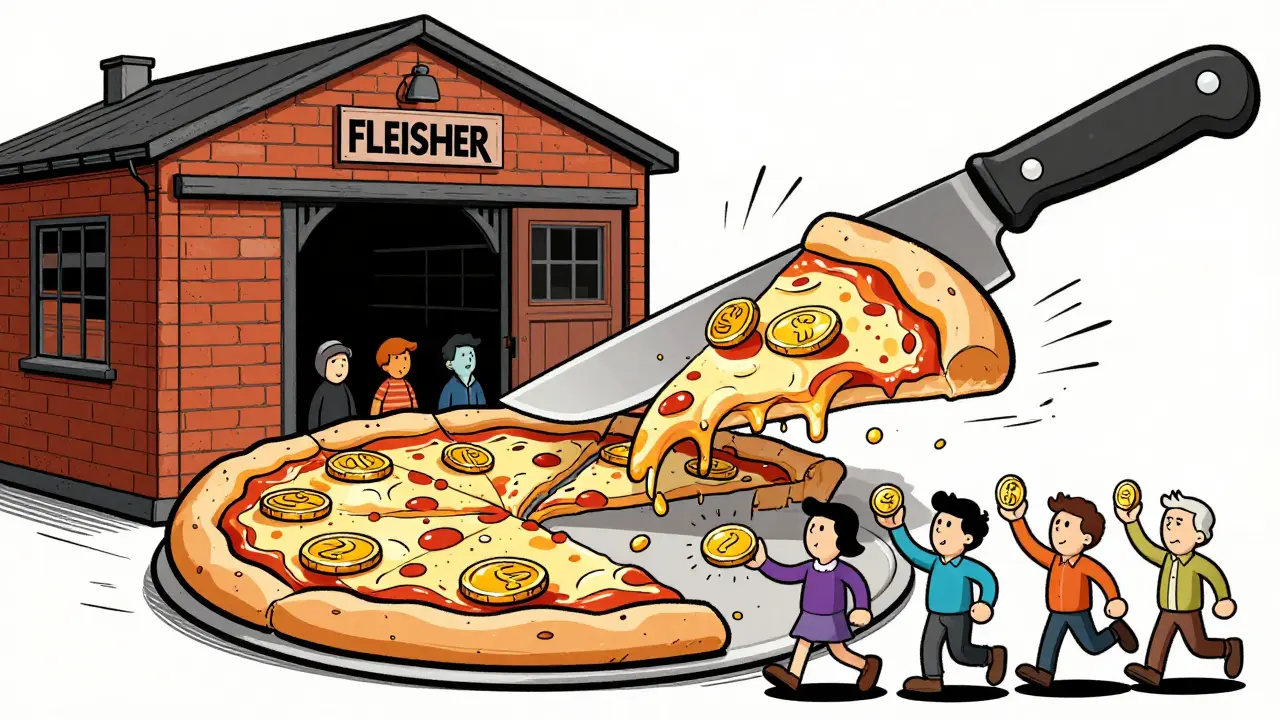
To understand this, we have to strip away the crypto jargon. At its core, tokenization is just splitting an asset into smaller, tradable pieces. Think of a pizza. Traditionally, you had to buy the whole pizza (the entire building). Now, you can buy one slice (a token). That slice has equal value and rights as any other slice.
RWA Tokenization is the process of converting rights to a real-world asset into a digital token on a blockchain. This means a physical house or office building gets linked to a smart contract. When you hold the token, you hold a verified, immutable record of your ownership stake.
The magic happens because of blockchain technology, specifically networks like Ethereum. These ledgers are public, transparent, and secure. Unlike a paper deed stored in a dusty county basement, your tokenized ownership is recorded on a global network that never sleeps. This brings two massive benefits: liquidity and accessibility. Real estate has always been "illiquid," meaning it takes months to sell a house. Tokens can be traded instantly, 24/7, on digital marketplaces.
How the Process Works: From Brick to Byte
You might wonder, "If I buy a token, do I actually own part of the building?" Yes, but through a legal wrapper. Here is the step-by-step journey of how a physical building becomes a digital asset:
- Asset Selection: A developer or owner picks a property. This is usually commercial real estate (offices, warehouses) or large residential complexes because they generate steady cash flow.
- Legal Structure (The SPV): This is the most critical step. The property is transferred to a Special Purpose Vehicle (SPV), which is essentially a shell company created solely to hold that specific asset. The SPV issues shares, and each share corresponds to one digital token. This ensures you have legal recourse under existing laws.
- Token Minting: Developers create digital tokens on a blockchain. Most use the ERC-20 standard on Ethereum, though other chains are gaining ground. These tokens are "fungible," meaning one token is identical to another.
- Smart Contract Setup: Code is written to automate rules. For example, when rent comes in, the smart contract calculates each holder's share and sends the payment directly to their wallet. No middlemen, no delays.
- Distribution: Tokens are listed on a marketplace where investors can buy them.
This process typically takes 90 to 150 days. The bulk of that time is spent on off-chain tasks like legal verification and valuation. Once live, however, trading is instant.
Why Investors Are Switching from Traditional Real Estate
Traditional real estate investing has high barriers. You need a down payment, credit checks, and brokers who charge 3-6% fees. Tokenization flips this model. Let’s compare the two approaches:
| Feature | Traditional Investment | Tokenized RWA |
|---|---|---|
| Minimum Entry | $50,000 - $500,000+ | $100 - $1,000 |
| Liquidity | Months to sell | Minutes to hours (on secondary markets) |
| Fees | High (Brokers, closing costs) | Low (Platform management fees ~0.5-2.5%) |
| Transparency | Paper records, opaque | Blockchain ledger, fully visible |
| Access | Local/National only | Global (subject to regulations) |
Consider the case of a $50 million commercial building in New York tokenized by Securitize. It was split into 50,000 tokens. Investors bought in for as little as $1,000. They received a 6.2% annual return, distributed automatically via smart contracts. In the old world, only institutional giants could afford such deals. Now, a regular person in Wellington, Tokyo, or Berlin can participate.
The Risks You Cannot Ignore
It sounds too good to be true, so what’s the catch? There are real risks, and ignoring them is dangerous.
Regulatory Uncertainty: This is the biggest hurdle. Laws vary wildly by country. As of 2024, only about 37% of global markets had clear frameworks for RWA tokenization. In some places, holding a real estate token might be classified as holding a security, triggering strict reporting requirements. If you invest cross-border, you need to know if your local tax authority recognizes your token ownership.
Liquidity Traps: While tokens *can* be traded instantly, there needs to be someone else willing to buy. Early platforms suffered from low secondary market volume. Some investors faced 90-day lock-up periods where they couldn’t sell even during market crashes. Always check the platform’s liquidity depth before buying.
Technical Vulnerabilities: Smart contracts are code, and code can have bugs. If a hacker exploits a flaw in the distribution contract, funds could be lost. Additionally, blockchain networks like Ethereum can get congested, leading to high transaction fees (gas fees) that eat into your profits.
Valuation Disputes: Who decides what the building is worth? In traditional markets, appraisers do this. In tokenization, different platforms use different methodologies. A 2023 PwC analysis found that 42% of early projects used conflicting valuation models, which can lead to unfair pricing when you try to sell your tokens.

Who Should Invest in Tokenized Real Estate?
This isn’t for everyone. Here is who benefits most:
- Accredited Investors: Currently, 68% of tokenized real estate investors are accredited (high net worth individuals). They use it to diversify portfolios beyond stocks and bonds.
- Retail Investors Seeking Passive Income: If you want rental income without dealing with tenants, this is ideal. Just ensure the platform handles property management professionally.
- Developers Needing Capital: If you are building a project, tokenization can raise funds faster than traditional banks. Deloitte predicts that by 2027, 25% of new commercial joint ventures will use tokenization to onboard investors, cutting capital formation time from 6-12 months to just 30-60 days.
If you are looking for quick speculative gains, stay away. Real estate is a long-term play. The value comes from the underlying asset’s performance, not hype.
The Future: What Comes Next?
The industry is moving fast. In 2025, we are seeing major shifts. BlackRock expanded its BUIDL fund to include tokenized commercial real estate, signaling institutional confidence. The EU’s MiCA regulations provide a clearer legal framework for Europe. Meanwhile, the U.S. Treasury issued guidance on tax treatment for these assets, reducing ambiguity for American investors.
Look out for Central Bank Digital Currencies (CBDCs). By 2026, several countries are integrating CBDCs into RWA frameworks. This means you might soon buy a property token using digital dollars or euros directly from your central bank account, removing the need for crypto exchanges entirely.
Interoperability is also key. Today, tokens are often stuck on one blockchain. Future standards aim to let you move your real estate tokens between Ethereum, Solana, or other networks seamlessly. This will boost liquidity and lower costs further.
Is real estate tokenization legal?
Yes, but it depends on your jurisdiction. Most reputable platforms use a Special Purpose Vehicle (SPV) to ensure tokens represent legal shares in a company that owns the property. However, regulations vary. Countries like Switzerland, Singapore, and certain U.S. states (Wyoming, Colorado) have clear laws. Always consult a local financial advisor to understand tax and compliance implications.
Can I lose my money in tokenized real estate?
Yes. Like any investment, property values can drop. Additionally, there are platform-specific risks: smart contract bugs, regulatory changes, or lack of buyers for your tokens. Never invest money you cannot afford to lose, and choose platforms with audited smart contracts and transparent legal structures.
How do I get paid dividends from my tokens?
Dividends are usually automated via smart contracts. When the property generates rent, the funds are collected and distributed to token holders’ wallets. Payments are often made in stablecoins (like USDC) or fiat currency, depending on the platform. Check the platform’s payout schedule-some pay monthly, others quarterly.
What is the minimum investment required?
Minimums vary by platform and property. Some allow investments as low as $100, while others require $1,000 or more. Accredited investor programs may have higher thresholds. This low barrier to entry is one of the main advantages over traditional real estate.
Are tokenized real estate assets taxed differently?
Tax treatment varies by country. In many jurisdictions, tokenized real estate is treated similarly to traditional property or securities. You may owe taxes on rental income (dividends) and capital gains when you sell tokens. The U.S. Treasury provided guidance in late 2024 clarifying these treatments, but always verify current local laws.