SEC Philippines Crypto Enforcement Actions: What You Need to Know in 2026
Mar, 11 2026
The Philippines is no longer letting crypto exchanges operate in the shadows. Since July 5, 2025, the Securities and Exchange Commission (SEC) has been enforcing strict rules that require every crypto platform serving Filipino users to register as a Crypto Asset Service Provider (CASP). This isn’t a ban on crypto. It’s a cleanup. And the crackdown is already changing how millions of Filipinos trade, invest, and send money using digital assets.
Why the SEC Acted
The push for regulation didn’t come out of nowhere. After the collapse of FTX in 2022, Filipino investors lost millions. Stories flooded social media: people who put their life savings into platforms that vanished overnight. The SEC saw a pattern - unregulated foreign exchanges were luring Filipinos with high yields, fake guarantees, and no accountability. By 2024, the Philippine National Police reported a 67% drop in crypto fraud cases after forcing Binance to exit the country. That success became the blueprint.The SEC didn’t want to scare people away from crypto. They wanted to protect them. So they built rules that force platforms to be transparent, financially stable, and physically present in the Philippines. No more offshore shell companies. No more hiding behind vague terms of service.
What the CASP Rules Actually Require
If a crypto platform wants to serve Filipinos, it must meet these non-negotiable standards:- Be incorporated as a domestic Philippine corporation - not just have a local office, but legally exist here.
- Hold a minimum of ₱100 million (about $1.8 million USD) in paid-up capital.
- Maintain a physical office in the Philippines with local staff.
- Keep customer funds completely separate from company money - no mixing.
- Use blockchain analytics tools to monitor all transactions over ₱50,000.
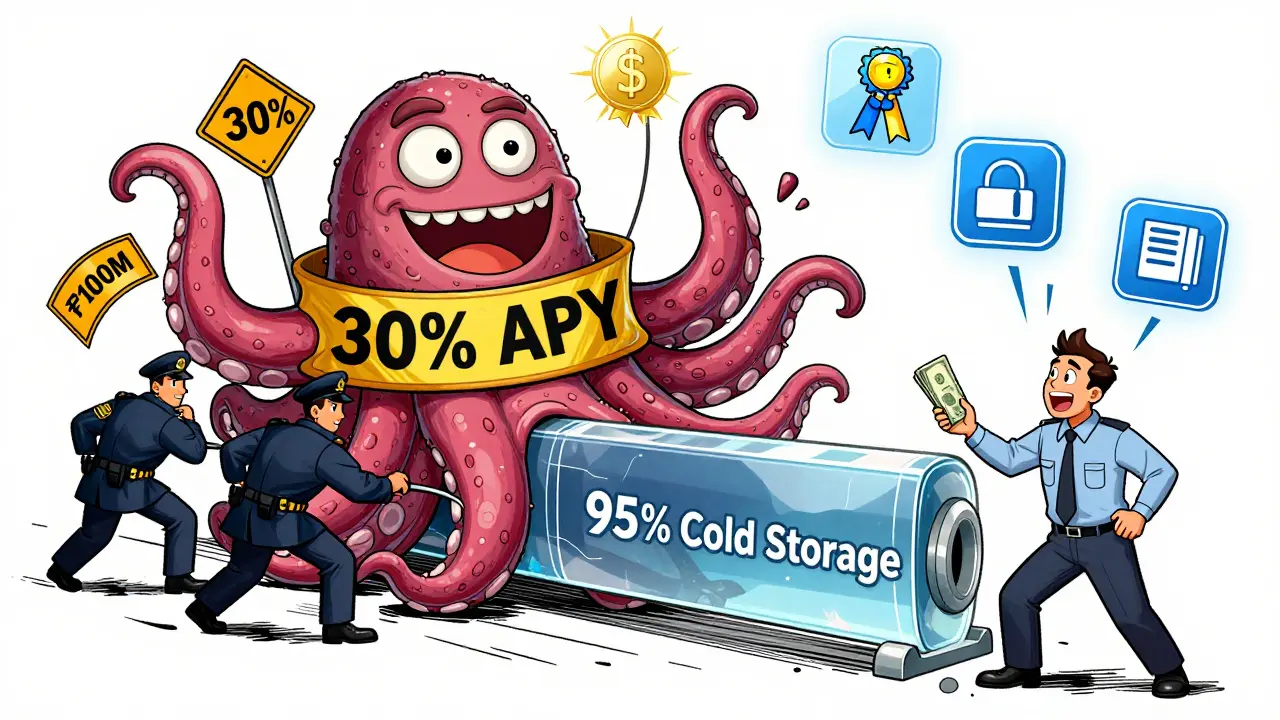
- Store at least 95% of customer assets in cold storage.
- Offer multi-factor authentication and pass third-party cybersecurity audits.
- Meet 99.5% platform uptime and process withdrawals within 72 hours.
These aren’t suggestions. They’re legal requirements. And the SEC doesn’t just ask for paperwork - they verify it. The PhiliFintech Innovation Office reviews every application, and the Cyber and Forensics Division checks the tech behind each platform.
Who Got Targeted
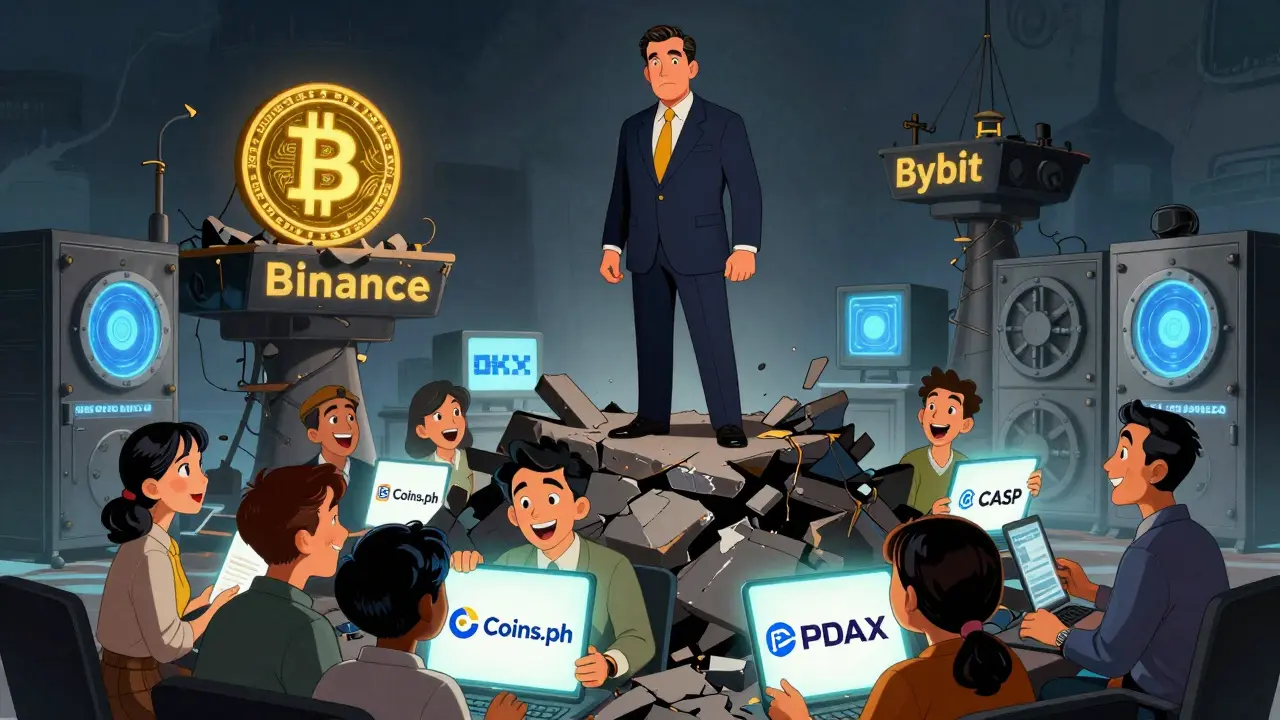
The SEC’s first big win was removing Binance in late 2024. They worked with internet providers to block access, got app stores to pull the app, and warned users publicly. The result? A clean exit. No frozen funds. No chaos.In August 2025, they expanded the list. Ten major global exchanges were named as non-compliant:
- OKX
- Bybit
- KuCoin
- Kraken
- LBank
- CoinW
- and three others not publicly named
These platforms still operate globally, but if you’re in the Philippines, you can’t access them legally anymore. Website blocks began in September 2025. App stores no longer list them. Banks won’t process payments to them. The SEC is making it impossible for these platforms to ignore the rules.
What Happens If You Don’t Comply?
The penalties are serious - and they’re being applied.- Initial fines: ₱50,000 to ₱10 million per violation (roughly $900 to $180,000 USD).
- Daily penalties: ₱10,000 ($180 USD) for every day you keep operating illegally.
- Criminal charges: Up to ₱2 million ($36,000 USD) in fines and 5 years in prison under the Securities Regulation Code.
Atty. Paolo Ong from the SEC’s Enforcement Department made it clear: “We’re not just warning anymore. We’re acting.”
And they’re not stopping at platforms. The SEC has also started investigating individuals who operate unregistered crypto businesses - like local influencers who promote unlicensed platforms or run peer-to-peer trading rings without proper licenses.
What About Decentralized Finance (DeFi)?
Here’s an important detail: DeFi protocols are not covered - not yet. You can still use Uniswap, Aave, or Compound. The SEC’s rules only apply to centralized platforms that hold your money. But that’s changing. By 2027, the SEC plans to extend regulation to DeFi liquidity pools and smart contracts. For now, DeFi remains a gray zone - risky, but not illegal.There’s one catch: CASPs can’t offer yield products with returns over 20% APY without special SEC approval. That shuts down a lot of the “earn 30%” scams that lured in beginners.
How Many People Are Affected?
Chainalysis estimates 15 million Filipinos used crypto in 2024 - that’s 9% of the entire population. Of those, 85% relied on unregistered international platforms. That means roughly 12.75 million people are now affected by the crackdown.Most of these users aren’t traders. They’re remittance senders. The World Bank says 68% of crypto use in the Philippines is for sending money home - not gambling on Bitcoin. These users often don’t understand how exchanges work. They just want to send money cheaply and quickly. The SEC’s rules are designed to protect them, even if it means fewer platform choices.
What’s the Real Impact?
The short-term pain is real. Transaction volume dropped 35% in the first three months after enforcement. Some users switched to VPNs to keep using banned platforms. Others moved to unregulated P2P markets, where scams are still common.But the long-term shift is clear:
- Reports of crypto fraud are down 70% since Binance’s exit.
- Local crypto businesses are thriving. Platforms like Coins.ph and PDAX have seen a 200% surge in users since the crackdown.
- Investor confidence is rising. A Trendrr social media analysis showed 58% of Filipinos on Twitter support the rules - especially those who lost money before.
One Reddit user summed it up: “I lost ₱150,000 on Celsius in 2022. These rules might be strict, but they’ll save others from the same fate.”
What Should You Do Now?
If you’re using crypto in the Philippines:- Stop using unregistered platforms. They’re blocked. Your funds are at risk.
- Switch to SEC-registered CASPs. Coins.ph, PDAX, and Binance’s Philippine successor, Crypto.com’s local partner, are now your safest options.
- Never send money to a platform without a CASP license. Check the SEC’s official list before depositing.
- Use only platforms that offer 95% cold storage. If they don’t say it, don’t trust them.
- Report suspicious platforms. The SEC has a 24/7 hotline: +632-8981-7963.
The SEC isn’t trying to kill crypto. They’re trying to make it safe. The platforms that survive this cleanup will be stronger, more trustworthy, and built for Filipinos - not just global profit.
What’s Next?
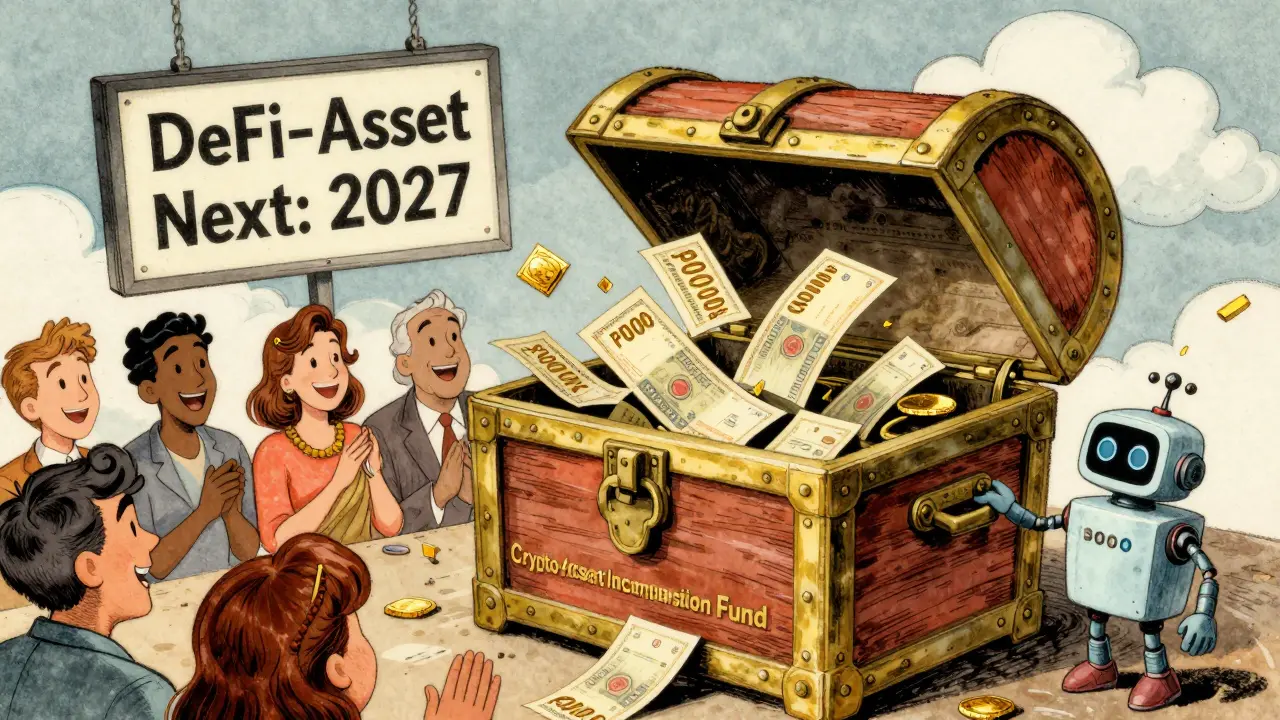
By Q1 2026, the SEC will launch the Crypto-Asset Investor Compensation Fund. It’s funded by registration fees from CASPs and will pay out to users who lose money due to licensed platform failures - up to ₱500,000 per claim. Think of it like FDIC insurance, but for crypto.And by 2027, the SEC plans to regulate DeFi. That means smart contracts, liquidity pools, and automated protocols will need licenses too. The Philippines isn’t just keeping up with global trends - it’s setting them.
The message is simple: Crypto isn’t going away. But the wild west is over. If you want to trade, send, or invest - do it on a platform that answers to Philippine law. The SEC is watching. And they’re not backing down.
Are crypto transactions still legal in the Philippines?
Yes, buying, selling, and holding crypto is still legal in the Philippines. The SEC’s rules don’t ban cryptocurrency. They ban unregistered platforms from offering services to Filipinos. You can still trade crypto - just not on platforms that haven’t registered as CASPs.
Can I still use Binance, Kraken, or Bybit in the Philippines?
No. These platforms have been blocked by internet service providers and removed from app stores. Accessing them via VPN is technically possible but risky. Your funds are not protected, withdrawals may be frozen, and you have no legal recourse if something goes wrong. The SEC advises against it.
What happens if I already have funds on an unregistered exchange?
Withdraw your funds immediately. The SEC has warned that unregistered platforms may freeze withdrawals, disappear, or get shut down without notice. If you can’t withdraw, you risk losing everything. There is no compensation fund for funds held on unlicensed platforms - only registered CASPs are covered.
How do I check if a crypto platform is SEC-registered?
Visit the SEC’s official CASP registry page at sec.gov.ph/casp. Only platforms listed there are authorized to serve Filipinos. You can also call the SEC’s Enforcement hotline at +632-8981-7963 to verify a platform’s status. Never trust a platform that says “we’re applying” - only those with a published license number are safe.
Do the rules apply to DeFi wallets like MetaMask?
No. DeFi wallets, decentralized exchanges (like Uniswap), and peer-to-peer transactions using blockchain are not regulated under the CASP framework - yet. However, if you use a centralized platform to buy crypto and then move it to a DeFi wallet, that part is still legal. The SEC’s focus is on platforms that hold your funds, not on personal wallets.
Can I start my own crypto business in the Philippines?
Yes, but only if you meet all CASP requirements: incorporate as a Philippine company, deposit ₱100 million in capital, have a local office, pass cybersecurity audits, and submit detailed compliance documents. The SEC offers a registration portal with video guides in Tagalog and English. Processing takes 30-45 days. Fewer than 5% of current crypto businesses in the Philippines meet all criteria.
Is the SEC targeting small crypto users or just big exchanges?
The SEC is targeting platforms, not individual users. If you’re buying crypto for remittances or personal investment, you’re not at risk. The crackdown is aimed at companies that operate without licenses. However, if you run a P2P trading business or promote unregistered platforms, you could face legal action.
Will the SEC allow foreign exchanges to operate if they partner with local firms?
No. The rules require full domestic incorporation. A foreign exchange cannot partner with a local company to bypass the requirement. The platform itself must be a Philippine corporation with 100% local ownership and physical presence. This is one of the strictest approaches in Asia - even stricter than Singapore’s.
How long will the enforcement last?
Indefinitely. The SEC has made it clear this is not a temporary crackdown. The CASP framework is permanent law. Enforcement will continue as long as unregistered platforms operate in the Philippines. The goal is to create a sustainable, secure crypto ecosystem - not to shut it down.
What if I’m a Filipino living abroad and using a crypto platform?
The SEC’s rules apply to platforms that target Filipino users - regardless of where the user is located. If you’re a Filipino citizen using a platform that markets to Filipinos (even if you’re overseas), the platform still needs to be registered. However, if you’re using a global platform that doesn’t specifically target the Philippines, you’re not breaking the law. The SEC’s enforcement focuses on the platform’s behavior, not your location.