Smart Contracts for Automated Insurance Claims: How Blockchain Speeds Up Payouts
Nov, 9 2026
Imagine filing an insurance claim and getting paid within hours, not months. No phone calls to adjusters. No stacks of paperwork. No waiting for a human to review your case. This isn't science fiction-it's what smart contracts are doing right now in the insurance industry. These self-executing digital agreements automatically verify claims and release payments when specific conditions are met. If you've ever felt frustrated by the slow pace of traditional insurance processing, this technology is likely already working behind the scenes to fix that problem.
| Benefit | Traditional Process | Smart Contract Process |
|---|---|---|
| Payout Time | Weeks to Months | Hours to Days |
| Intermediaries | Adjusters, Agents, Managers | Automated Code & Oracles |
| Fraud Risk | High (Manual Review) | Low (Immutable Ledger) |
| Transparency | Opaque Status Updates | Real-time Audit Trail |
How Smart Contracts Actually Work in Insurance
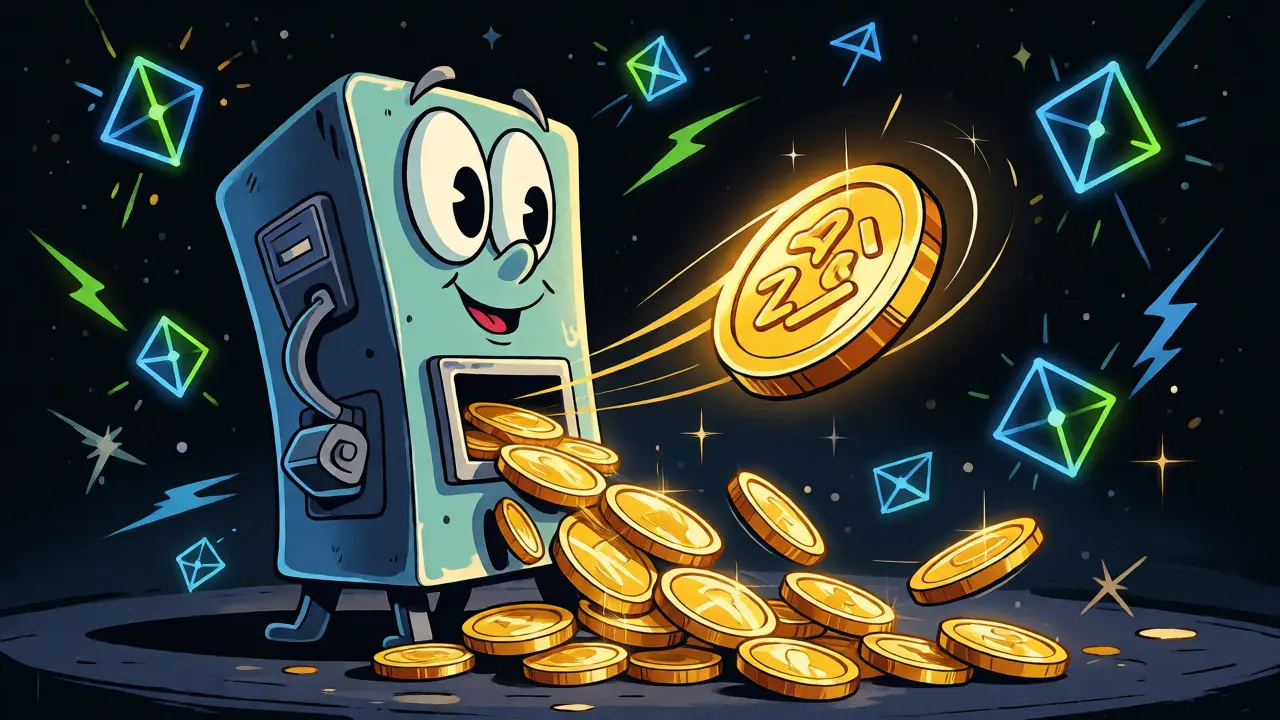
At its core, a smart contract is just code stored on a blockchain. Think of it as a vending machine: you put in the coin (the trigger event), and if the conditions are right, the snack drops out (the payout). There’s no shopkeeper involved to decide if you deserve the snack. In insurance terms, a smart contract encodes policy rules into computer code that executes automatically when predefined conditions are verified.
The process usually starts with a trigger. This could be a flight delay recorded by aviation data providers, a hurricane wind speed measured by weather stations, or a hospital admission logged in a medical database. Once that external data hits the blockchain via an "oracle" (a service that feeds real-world data to the blockchain), the smart contract checks it against the policy terms. If the flight was delayed more than two hours, or the wind speed exceeded 100 mph, the contract executes the payment immediately. It doesn’t ask for permission. It doesn’t wait for a manager’s approval. It just runs.
This setup relies heavily on accurate data. If the weather station reports incorrect wind speeds, the contract might pay out incorrectly. That’s why integration with reliable data sources is critical. Companies like Chainlink provide these decentralized oracle networks, ensuring the data entering the blockchain is trustworthy before the smart contract acts on it.
Why Traditional Claims Are So Slow
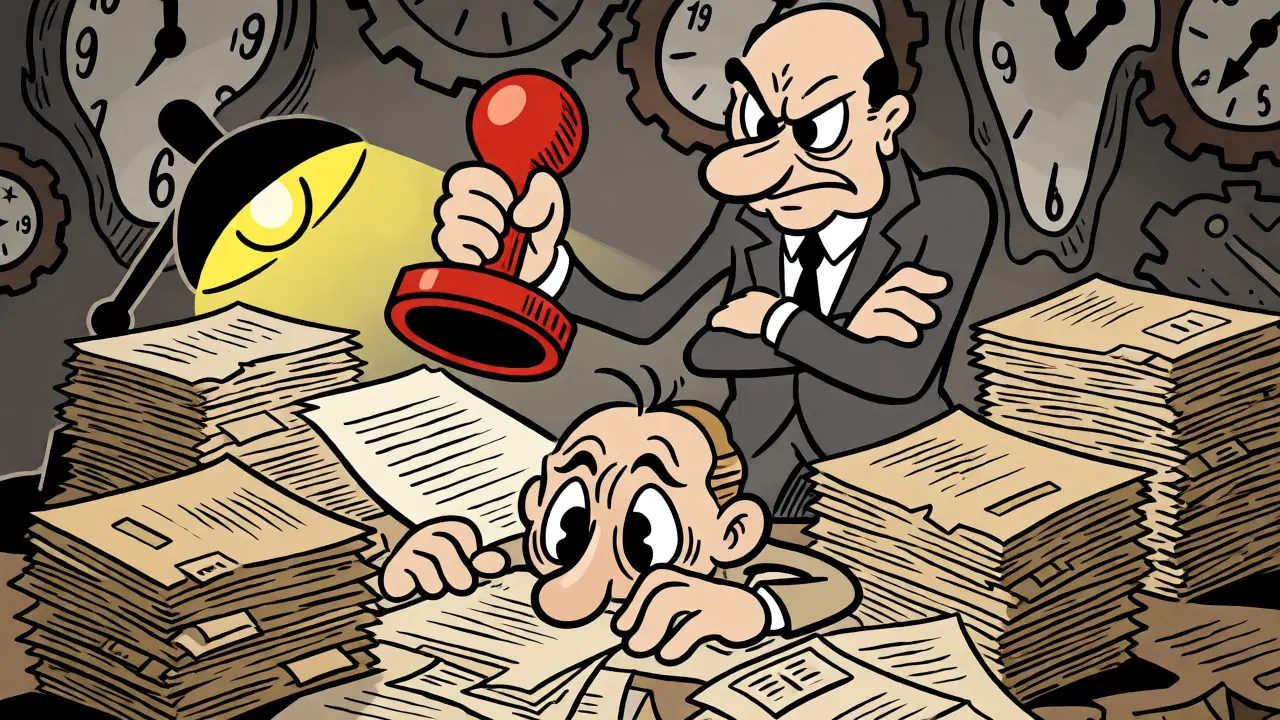
To understand why this matters, look at the old way. When you file a standard car accident claim, you’re entering a workflow designed for caution, not speed. You submit forms. An adjuster reviews photos. They might request police reports. Then they negotiate repair costs. Finally, a supervisor approves the check. Each step adds days or weeks. Even non-contested claims can take weeks to clear because humans have to touch every piece of paper.
Norton Rose Fulbright notes that manual processes often leave policyholders waiting months for payouts. The administrative burden is heavy on both sides. Insurers spend millions paying staff to process routine claims. Policyholders lose time chasing updates. Smart contracts cut out the middlemen who don’t add value to simple, verifiable events. By automating verification, insurers reduce overhead, which theoretically allows them to offer lower premiums or better customer service.
Where Smart Contracts Shine: Parametric Insurance
Not all insurance claims are equal. A complex liability lawsuit involves subjective judgment-was the driver negligent? Was the injury permanent? Smart contracts struggle here because machines aren’t great at nuance yet. But they excel at objective facts. This is where parametric insurance comes in.
Parametric policies pay out based on measurable parameters rather than actual loss assessment. For example, crop insurance might trigger a payout if rainfall falls below a certain level in a specific region during July. The farmer doesn’t need to prove their crops died; the rain gauge does it for them. Similarly, flight delay insurance pays out if your flight arrives late, regardless of whether you missed a connection or just had a boring afternoon.
Guidewire highlights that several insurers are piloting these solutions specifically for natural disasters and travel disruptions. One leading global insurer recently trialed a catastrophe bond using smart contracts. If a hurricane hit a specific ZIP code with winds over a set threshold, payouts triggered instantly. No site inspections. No damage assessments. Just data matching code.
The Role of Blockchain Technology
You might wonder why we need blockchain for this. Couldn’t a regular database do the same thing? Yes, but blockchain offers something unique: immutability and transparency. Once a transaction is written to the ledger, it cannot be changed. This creates a permanent audit trail visible to all parties-the insurer, the policyholder, and regulators.
This transparency reduces fraud. In traditional systems, documents can be forged or altered. On a blockchain, the record of the triggering event and the payout is cryptographically secured. The SAIS Journal of International Affairs points out that this minimizes fraudulent activities because everyone sees the same truth. If the oracle says the wind blew at 90 mph, and the policy requires 100 mph, no amount of arguing changes the outcome. The code is law.
Ethereum remains the most common platform for these applications due to its robust developer ecosystem and widespread adoption. However, newer blockchains like Solana or Polygon are gaining traction because they offer faster transaction times and lower fees. High gas fees on Ethereum can sometimes eat into small payouts, so cost efficiency is a key consideration for insurers choosing their infrastructure.

Challenges and Limitations
It’s not all smooth sailing. Harvard Law School analysts warn that smart contracts have inherent limitations. They can only execute what they are coded to do. If there’s a bug in the code, the contract will faithfully execute the error. Remember the DAO hack in 2016? While different in scope, it highlighted how code vulnerabilities can lead to significant financial losses.
Another issue is the "oracle problem." Who verifies the data feeding the contract? If the data source is compromised, the payout is wrong. Insurers must carefully select trusted data providers. Additionally, legal enforceability varies by jurisdiction. Some regions may not recognize a smart contract as a binding legal agreement without a supporting text-based contract. This means many implementations use a hybrid model: the smart contract handles the payment, but a traditional legal document defines the relationship.
Integration with legacy systems is also tough. Most large insurance companies run on mainframes from the 1980s. Connecting modern blockchain APIs to those ancient databases requires significant IT investment and careful testing. You can’t just plug in a new tech stack overnight.
What This Means for You
If you’re a policyholder, keep an eye out for products labeled "parametric" or "automated." Travel insurance and disaster coverage are the most likely places to encounter this tech first. You’ll notice faster settlements and less paperwork. For life insurance agents, offering these streamlined products can differentiate them in a crowded market. Clients appreciate certainty and speed.
For investors and industry watchers, the trend is clear: automation is coming. Banking has already adopted smart contracts for trade finance and swaps. Insurance is following, albeit slower due to regulatory complexity. As data infrastructure improves and legal frameworks catch up, expect broader application beyond simple triggers. Eventually, even complex claims might use AI-driven smart contracts to assess initial validity, leaving humans to handle only the truly disputed cases.
Are smart contracts legally binding?
It depends on the jurisdiction. In some places, like Wyoming in the US or parts of Europe, smart contracts are explicitly recognized as legal entities. In others, they are treated as tools that facilitate performance of a traditional contract. Most current insurance implementations pair the smart contract with a standard legal policy document to ensure enforceability.
What happens if the data feed is wrong?
If an oracle provides incorrect data, the smart contract will execute based on that false information. This is known as the "garbage in, garbage out" problem. To mitigate this, insurers use multiple data sources and consensus mechanisms. If a dispute arises, the immutable blockchain record helps trace exactly what data was used and when, facilitating resolution through traditional legal channels if necessary.
Can smart contracts handle complex claims like car accidents?
Currently, smart contracts work best for objective, binary outcomes (e.g., did the flight delay exceed 2 hours?). Complex claims involving liability disputes, injury severity, or subjective damages still require human adjudication. However, future developments combining AI with blockchain may allow smart contracts to assess preliminary evidence, speeding up the initial stages of complex claims.
Which blockchains are used for insurance smart contracts?
Ethereum is the most widely used platform due to its security and maturity. However, insurers are increasingly exploring Layer-2 solutions (like Polygon) or alternative chains (like Hyperledger Fabric for private networks) to reduce transaction costs and increase speed. Private blockchains are often preferred for enterprise use because they offer greater control over privacy and access permissions.
Will smart contracts eliminate insurance agents?
Unlikely. Agents play a crucial role in advising clients, selecting appropriate coverage, and handling exceptions. Smart contracts automate the administrative backend, allowing agents to focus on higher-value tasks like risk consultation and customer relationships. Rather than replacing agents, the technology empowers them to offer faster, more transparent services.