The HUSL Airdrop: Details, Eligibility, and Safety Guide

Jul, 23 2026
You have likely seen the buzz around The HUSL airdrop on social media or in your Telegram groups. The promise of free tokens is always tempting, but in the current crypto landscape, excitement often masks significant risk. As of mid-2026, detailed, verified information about an official airdrop for Caius Merrow's favorite low-cap project, The HUSL, remains scarce. This article cuts through the noise to give you the facts, safety checks, and realistic expectations regarding this specific token distribution.
What Is The HUSL Token?
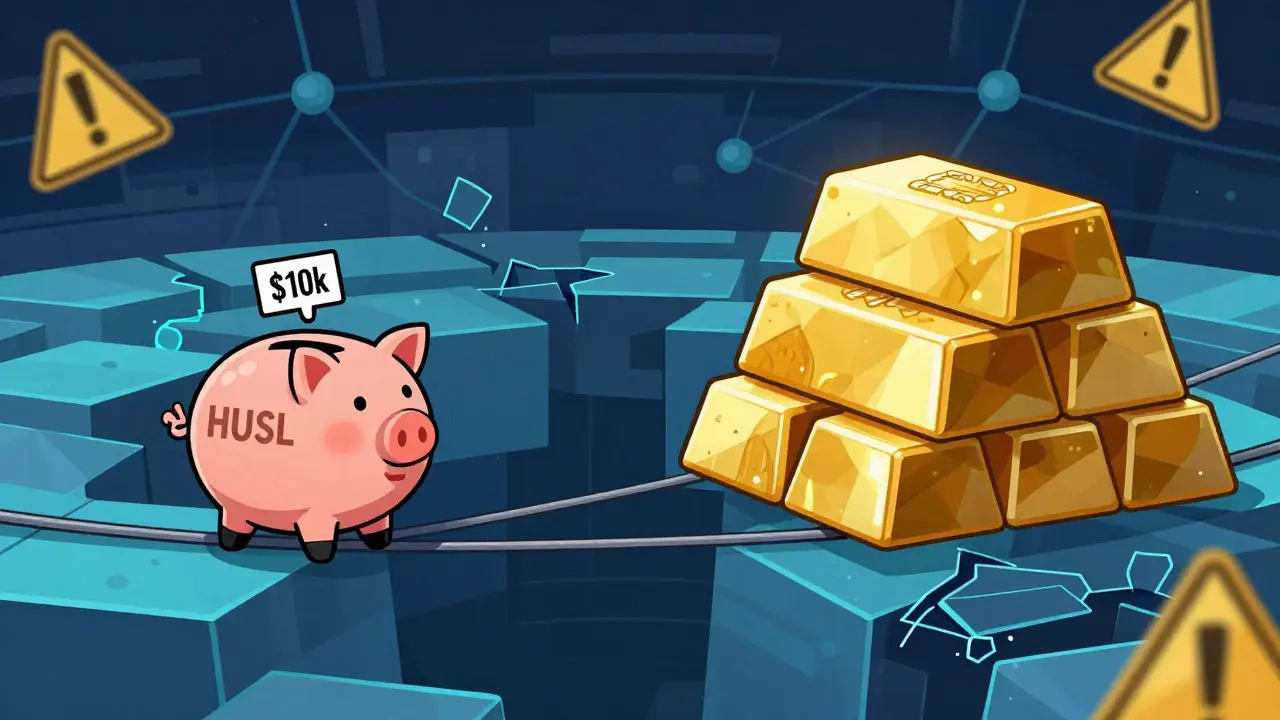
Before worrying about how to get free tokens, you need to understand what you are actually getting. The HUSL is a cryptocurrency token that currently holds a modest position in the market. According to data from major trackers like CoinMarketCap, it ranks around #3445 with a market capitalization hovering near $10,500 USD. To put that in perspective, this is a micro-cap asset. It is not Bitcoin, Ethereum, or even a popular Layer-2 solution like Arbitrum or Optimism.
The token has shown minor price volatility, such as a 0.11% increase over a 24-hour period in recent observations. This lack of massive volume suggests a small, niche community rather than a mainstream adoption wave. When evaluating any airdrop, the underlying asset's liquidity and market depth are critical. If the token cannot be sold easily after you claim it, the "free" money might cost you more in gas fees than it is worth.
Current Status of the HUSL Airdrop
Here is the hard truth: there is no comprehensive, officially verified announcement detailing the mechanics of a major HUSL airdrop program as of July 2026. Unlike high-profile projects such as Jupiter (which distributed billions of JUP tokens) or Optimism (reserving nearly 13% of its supply for future drops), The HUSL has not made headlines in major crypto news outlets.
This absence of information usually points to one of three scenarios:
- Early Planning Stage: The team is still working on the smart contracts and distribution logic. In this case, public details are withheld to prevent bot farming.
- Niche Community Distribution: The airdrop may be targeted exclusively at early holders or active members of a private Discord or Telegram channel, bypassing public announcements entirely.
- Scam or Impersonation: Unfortunately, many fake accounts use the names of obscure tokens to lure users into phishing sites. Without a verified source, assume the worst until proven otherwise.
If you are seeing posts claiming "instant HUSL rewards," treat them with extreme skepticism. Legitimate projects publish their whitepapers, tokenomics, and audit reports on their official website before launching a distribution.
How to Verify Legitimacy Before Participating
In the world of crypto airdrops, verification is your best defense. Since The HUSL lacks widespread media coverage, you must do the due diligence yourself. Here is a checklist to determine if an opportunity is real:
- Check Official Channels: Go directly to the project’s official Twitter (X) account or website. Look for pinned posts or announcements tagged with "Airdrop" or "Distribution." Ignore random DMs or comments from unverified accounts.
- Analyze the Contract Address: Find the official contract address on Etherscan or BscScan (depending on the chain). Compare it with the address provided by the "airdrop" site. One wrong character means you are sending funds to a hacker.
- Review Tokenomics: Does the project have a clear total supply? How much is allocated to the team versus the community? For context, Jupiter allocated 5 billion tokens for user distribution. If HUSL’s allocation is vague, walk away.
- Look for Audits: Has the smart contract been audited by firms like CertiK or Hacken? Micro-cap projects often skip this step to save money, which increases risk significantly.
Comparison: HUSL vs. Major 2025-2026 Airdrops
To understand where The HUSL stands, it helps to compare it against established airdrop programs from the recent cycle. This table highlights the difference in scale, transparency, and security.
| Project | Token Allocation | Eligibility Criteria | Verification Level |
|---|---|---|---|
| Jupiter (JUP) | 7 Billion Total (5B for 2025) | Swap users, stakers | High (Publicly Announced) |
| Optimism (OP) | 12.8% Reserved | Ecosystem contributors | High (Governance Vote) |
| The HUSL | Unspecified / Low Cap | Unknown / Unverified | Low (Limited Data) |
As you can see, The HUSL lacks the structural clarity of larger projects. This doesn't mean it's a scam, but it does mean the reward-to-risk ratio is less favorable. You are betting on potential growth without the safety net of a proven track record.
Common Pitfalls to Avoid
When chasing obscure airdrops, several common mistakes can drain your wallet. Avoid these traps:
- Paying for Gas to Claim Nothing: Some scams require you to pay a transaction fee to "claim" tokens that don't exist. Always check if the claim function is legitimate on-chain.
- Connecting Your Main Wallet: Never connect your primary wallet holding significant assets to an unknown dApp. Use a burner wallet with minimal funds.
- Falling for "Locked Set" Confusion: Be aware that there is an unrelated NBA Top Shot collectible called "Hustle & Show - Airdrop Reward Pack." Do not confuse digital sports memorabilia with cryptocurrency token distributions. They are entirely different ecosystems.
Strategic Approach for Early Adopters
If you believe in The HUSL’s long-term vision despite the lack of immediate hype, here is how to approach it strategically. Instead of waiting for a potentially non-existent airdrop, consider engaging with the protocol directly if it offers utility. Many successful projects retroactively reward early users who interacted with their platform during the beta phase.
Monitor the project’s GitHub repository for code commits. Active development is a stronger signal of legitimacy than marketing tweets. Join their Discord server and ask direct questions about the tokenomics. If the moderators avoid answering or kick you out, take that as a red flag.
Final Thoughts on Risk Management
The crypto market is full of opportunities, but also landmines. The HUSL token represents a high-risk, high-reward scenario typical of micro-cap assets. Without concrete details on an official airdrop program, patience and caution are your most valuable tools. Do not invest money you cannot afford to lose, and never share your seed phrase. If the project gains traction, we will update this guide with verified steps. Until then, stay skeptical and keep your funds secure.
Is there an official HUSL airdrop in 2026?
As of July 2026, there is no widely verified or officially announced large-scale airdrop for The HUSL token. Information is limited, and users should verify any claims through the project's official channels before participating to avoid scams.
What is the market cap of The HUSL token?
The HUSL token has a relatively low market capitalization, reported around $10,500 USD, ranking approximately #3445 on CoinMarketCap. This indicates it is a micro-cap asset with higher volatility and risk compared to major cryptocurrencies.
How do I avoid HUSL airdrop scams?
To avoid scams, only use links from the project's official Twitter or website. Never connect your main wallet to unverified dApps; use a burner wallet instead. Check the contract address on block explorers like Etherscan to ensure it matches the official token. Beware of any requirement to pay upfront fees to claim tokens.
Is The HUSL related to NBA Top Shot?
No, they are unrelated. There is an NBA Top Shot collectible pack called "Hustle & Show - Airdrop Reward Pack," but this is part of the digital sports memorabilia ecosystem, not the The HUSL cryptocurrency token project.
Should I buy HUSL tokens now?
Buying micro-cap tokens like HUSL carries significant risk due to low liquidity and limited information. Only consider purchasing if you have done thorough due diligence on the team and technology, and only invest funds you can afford to lose entirely.