When to Consult Legal Counsel for Crypto Tax and Compliance

Sep, 7 2025
Most people think crypto taxes are just about filling out a form and paying what you owe. But if you’ve traded, mined, staked, or even received crypto as a gift, you might be sitting on a ticking time bomb. The IRS isn’t guessing anymore-they’re auditing. And if you didn’t keep proper records or misunderstood how to report your transactions, you could be looking at penalties, interest, or worse. You don’t need a tax accountant. You need a crypto tax lawyer.
When the IRS Starts Asking Questions
In 2019, the IRS added a simple but dangerous question to Form 1040: "At any time during [the year], did you receive, sell, send, exchange, or otherwise acquire any financial interest in any virtual currency?" It’s one yes-or-no box. But if you say "no" and they find transactions on your wallet, you’re not just under audit-you’re under suspicion of fraud. That’s not a mistake. That’s a red flag for criminal investigation. If you’ve filed past returns without reporting crypto gains and you’re now worried, don’t wait for a letter. The moment you realize you might have underreported, it’s time to talk to someone who knows how to fix it before the IRS does. A good crypto tax lawyer can help you file a voluntary disclosure. That means coming clean before they come knocking. In most cases, that cuts your penalties by 80% or more. Wait until you get an audit notice, and you lose that advantage. Suddenly, you’re not fixing a mistake-you’re defending yourself.Trading, Mining, or Airdrops? It’s Not Just Capital Gains
A lot of people think crypto taxes are like stocks: buy low, sell high, pay tax on the difference. It’s not that simple. If you mined Bitcoin, the moment it hit your wallet, it became taxable income at its fair market value. If you swapped Ethereum for Solana, that’s a taxable event-even if you didn’t cash out. If you got tokens from an airdrop, the IRS says that’s ordinary income. And if you used crypto to buy a coffee, you just triggered a capital gain on the difference between what you paid for the coin and what it was worth when you spent it. Most tax software doesn’t track these nuances. Even the best crypto tax tools like Koinly or CoinTracker can’t tell you if your transaction structure was legal. That’s where a lawyer comes in. They don’t just calculate gains. They look at your entire activity and ask: "Did this violate any reporting rules? Could this be seen as tax evasion? Is there a way to restructure past activity to reduce exposure?"ICO, DeFi, or Running a Crypto Business?
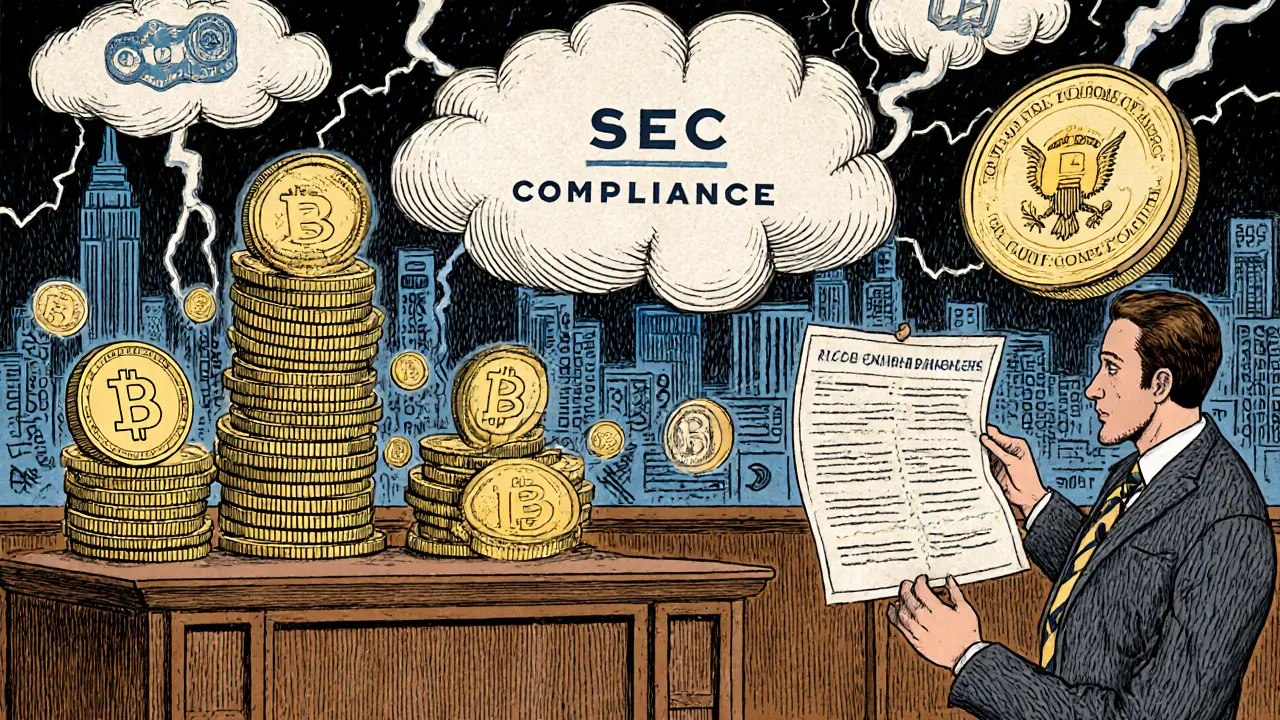
If you launched an Initial Coin Offering (ICO), ran a DeFi protocol, or operate a crypto exchange or mining farm, you’re not just a taxpayer-you’re a business. And businesses have compliance obligations that go far beyond Schedule D. You need to know if your tokens are securities under SEC rules. If they are, and you didn’t register, you’re violating federal law. Even if you thought you were selling a "utility token," the SEC doesn’t care what you call it-they care how it functions. The same goes for staking rewards. If you’re earning interest by locking up crypto, is that interest income? Or is it a return of capital? The IRS hasn’t clarified. Courts haven’t ruled. But if you’re earning $50,000 a year in staking rewards and reporting it as non-taxable, you’re playing Russian roulette with your finances. A crypto tax lawyer who’s handled SEC investigations can tell you how to structure your operations to stay compliant, even in gray areas.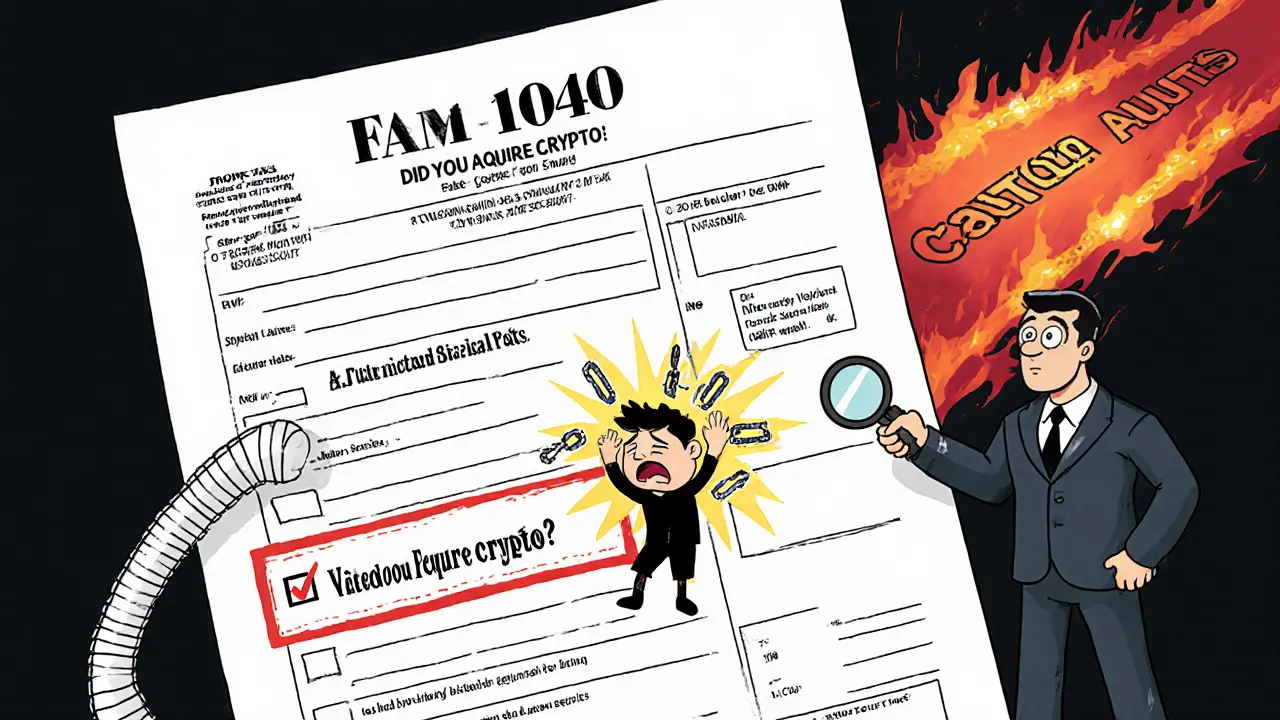
Red Flags That Mean You Need a Lawyer Now
You don’t need a lawyer if you just bought $2,000 of Bitcoin and sold it for $3,000. You need one if:- You didn’t report crypto income on past returns and now you’re nervous
- You’re being contacted by the IRS or FinCEN about your wallet activity
- You’re using offshore exchanges or privacy coins like Monero
- You’ve received a 1099-K or 1099-B from an exchange you didn’t report
- You’re being audited and the auditor is asking for wallet addresses or transaction histories
- You’re moving large amounts of crypto between wallets and don’t know if it triggers reporting
What to Look for in a Crypto Tax Lawyer
Not every tax lawyer understands crypto. And not every crypto expert is a lawyer. The best ones are dual-qualified: licensed attorneys who are also CPAs. They know how to interpret tax code, and they know how to trace blockchain transactions. They’ve handled IRS audits. They’ve advised clients through voluntary disclosures. They’ve seen what gets people locked up. Ask them:- "Have you represented clients in IRS crypto audits? Can you show me examples?"
- "Do you use blockchain analytics tools like Chainalysis or Elliptic?"
- "How do you handle situations where the IRS hasn’t issued clear guidance?"
- "What’s your approach to reconstructing missing transaction records?"
- "Have you worked with clients who used non-U.S. exchanges?"