Thailand’s Foreign P2P Crypto Ban: What You Need to Know
Sep, 9 2026
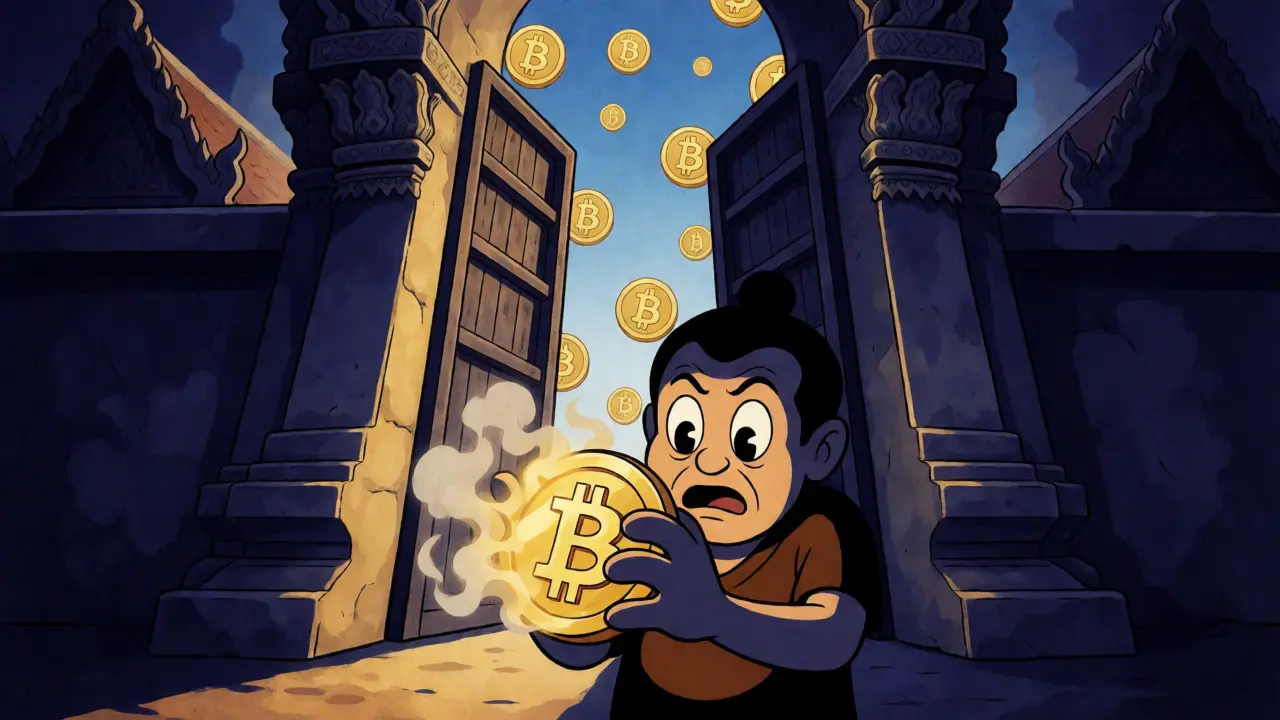
Imagine waking up to find your favorite crypto exchange blocked, with just one month to withdraw thousands of dollars before the doors slam shut. That was the reality for many Thai traders in mid-2025. The Thai Securities and Exchange Commission (SEC) didn't just tweak the rules; they implemented a hardline ban on foreign, unlicensed peer-to-peer (P2P) cryptocurrency platforms. This move wasn't a gentle suggestion-it was a regulatory earthquake that reshaped how Thais interact with global digital assets.
If you've been trading on platforms like Bybit or OKX, you likely felt the impact. But why did Thailand take such a drastic step? And more importantly, what does this mean for the future of crypto in Southeast Asia? Let's break down the ban, the reasons behind it, and the practical steps you need to take if you're still navigating these choppy waters.
The Core of the Crackdown: Why Foreign Platforms Got Blocked
At its heart, this ban is about control and security. The Thai government, through the Ministry of Digital Economy and Society (MDES), identified a significant loophole: foreign platforms were serving Thai users without holding local licenses. These platforms operated in a gray area, bypassing local anti-money laundering (AML) checks and consumer protection laws.
The SEC argued that this lack of oversight made Thailand a playground for money launderers and scammers. When a platform isn't regulated locally, tracing illicit funds becomes a nightmare for authorities. By banning unlicensed foreign entities, Thailand aimed to close these gaps. The message was clear: if you want access to Thai users, you must play by Thai rules.
This wasn't an isolated incident but part of a broader strategy. In April 2025, the Cabinet approved amendments targeting crypto-related fraud. Two critical Royal Decrees followed shortly after. One mandated licensing for any digital asset business targeting Thai citizens. The other gave MDES the power to block websites and apps without needing a court order first. This streamlined enforcement allowed regulators to act fast when suspicious activity popped up.
Which Platforms Were Hit Hardest?
The ban wasn't vague. It targeted specific heavyweights in the Asian crypto market. On June 28, 2025, five major exchanges were completely blocked from operating in Thailand:
- Bybit
- OKX
- CoinEx
- XT.COM
- 1000X
These weren't small players. Bybit and OKX, for instance, are giants with massive user bases across Asia. Their sudden exclusion left many investors scrambling. The SEC provided only about a month's notice-announcing the restrictions on May 29 and enforcing them by June 28. For users with large holdings or active trading positions, this tight timeline caused genuine panic.
Why these specific platforms? They were deemed "digital asset exchanges" under Thai law but lacked the necessary local licenses. Unlike domestic exchanges like Bitkub or Satang Pro, which operate under strict SEC supervision, these foreign entities hadn't completed the rigorous licensing process required to serve Thai customers legally.

The Legal Hammer: Penalties and Enforcement
Don't mistake this for a slap on the wrist. The penalties for violating the new rules are severe. Operators of unlicensed foreign P2P platforms face:
- Up to three years in prison.
- Fines of up to 300,000 baht (approximately $8,700 USD).
- Or both penalties simultaneously.
But the liability doesn't stop at the exchange operators. The new framework expanded responsibility to traditional financial institutions too. Banks, telecom companies, and even social media platforms now share joint liability for preventing cybercrime. If a bank account or messaging app is used in a scam because the provider failed to implement basic preventive measures, they can be held legally liable for damages. This creates a ripple effect, forcing banks to scrutinize crypto-related transactions more closely than ever before.
Furthermore, the SEC empowered authorities to block suspicious transactions instantly. Crypto service providers must report any scam-related activity immediately. This proactive stance aims to catch fraud before it drains victims' accounts, rather than chasing the money after it's gone.
Impact on Cross-Border Payments and Business
For individuals, the inconvenience is obvious. But for businesses, the friction is costly. Before the ban, sending payments between countries like India and Thailand via crypto was relatively seamless using global P2P platforms. Now, every transaction must flow through locally licensed intermediaries.
This introduces several operational challenges:
- Compliance Overhead: Businesses must navigate multiple sets of AML/KYC rules, increasing administrative costs.
- Payment Delays: Routing funds through regulated domestic exchanges adds time to settlement processes.
- Blocked Transactions: There's a higher risk of payments being flagged or delayed due to stricter monitoring.
Essentially, Thailand prioritized security over speed. While this protects consumers, it slows down the velocity of capital that makes crypto attractive for cross-border trade. International businesses dealing with Thai counterparts now need to factor in these regulatory hurdles into their cash flow projections.

Thailand’s Dual Strategy: Restriction vs. Innovation
Here’s the twist: while Thailand slammed the door on unlicensed foreign exchanges, it opened a window for domestic innovation. The government isn't anti-crypto; it's pro-regulation. Look at the parallel developments happening right now.
Thailand is actively exploring blockchain-based solutions for its own financial infrastructure. Plans include launching a blockchain trading platform for securities firms and considering a stablecoin backed by government bonds. In May 2025, the country announced plans to issue approximately 5 billion baht ($150 million) worth of digital asset tokens called 'G Tokens'. These tokens will function as part of public debt under the current budget borrowing plan.
| Feature | Unlicensed Foreign Platforms | Licensed Domestic Exchanges |
|---|---|---|
| Legal Status | Blocked/Illegal for Thai users | Fully Regulated & Legal |
| Consumer Protection | Limited/None | Strong (SEC Oversight) |
| AML/KYC Compliance | Inconsistent | Strict Local Standards |
| Bank Integration | High Risk of Freezes | Direct Banking Channels |
| Future Outlook | Requires Licensing to Return | Supported by Govt Initiatives |
This dual approach signals that Thailand wants to keep the benefits of blockchain technology while eliminating the risks associated with unregulated offshore gambling-like environments. By keeping crypto legal but strictly regulated, they aim to foster a safe environment for institutional adoption and government-backed digital assets.
What Should Investors Do Now?
If you hold assets on a blocked platform, the immediate priority is withdrawal. Ensure your funds are moved to a licensed Thai exchange or a self-custody wallet. Don't leave significant balances on platforms that might face further restrictions.
For those looking to continue trading, stick to SEC-approved exchanges. While fees might be higher and options fewer compared to global giants, the safety net of local regulation is worth it. Keep detailed records of all transactions. With banks under pressure to monitor crypto flows, having clean documentation helps avoid unnecessary freezes on your bank accounts.
Also, stay updated. Regulations in emerging markets change quickly. What’s banned today might require a license tomorrow. Following official SEC announcements and reputable local news sources is crucial for staying ahead of the curve.
Is crypto illegal in Thailand now?
No, cryptocurrency is not illegal in Thailand. It is recognized as a 'digital asset' and can be traded legally. However, trading must occur through locally licensed and regulated exchanges approved by the Thai SEC. Using unlicensed foreign platforms is what has become restricted.
Can I still use Bybit or OKX in Thailand?
As of late 2025, these platforms have been blocked from serving Thai users directly because they lacked local licenses. Users were given a grace period to withdraw funds. To trade again, you typically need to move assets to a licensed Thai exchange or wait until these platforms obtain proper licensing from the Thai SEC.
Why did Thailand ban foreign P2P platforms?
The primary reason was to combat money laundering and online scams. Unlicensed platforms were seen as loopholes that allowed criminals to move funds without undergoing strict Thai Anti-Money Laundering (AML) checks. The ban ensures that all digital asset transactions involving Thai residents are subject to local consumer protection and financial oversight laws.
What happens if I ignore the ban and keep trading on blocked sites?
You risk having your transactions blocked or your funds frozen. Additionally, since banks are now jointly liable for facilitating cybercrime, your bank might flag or freeze transfers to/from these unlicensed platforms. There is also a risk that your funds could become inaccessible if the platform stops supporting Thai users entirely.
Are there alternatives to the banned platforms?
Yes, Thailand has several locally licensed exchanges such as Bitkub, Satang Pro, and ERX. These platforms comply with Thai regulations and offer similar trading pairs. While they may have different fee structures or liquidity levels compared to global giants, they provide a legal and secure pathway for crypto investment within the country.