Legal & Finance
When navigating Legal & Finance, the crossroads of cryptocurrency law, tax obligations, and financial compliance. Also known as crypto regulatory landscape, it determines what you can do with digital assets and how you stay on the right side of the rules. If you’re trading, mining, or building a platform, you’ll quickly see that cryptocurrency regulation isn’t a side note – it’s the backbone of every business decision.
Cryptocurrency regulation, government rules that define which crypto activities are legal, how they’re supervised, and what penalties apply shapes market access, exchange licensing, and even the design of tokens. In practice, this means a country’s regulatory stance directly influences where you can list a coin, how you report earnings, and which partners you can trust. For example, China’s outright ban forces miners to relocate, while Japan’s consumer‑protection framework lets exchanges operate under clear safety nets.
Another pillar is crypto taxation, the set of tax rules that apply to buying, selling, mining, and earning digital assets. Tax systems vary from a simple capital‑gains model in the UK to a complex VAT approach in Taiwan. Understanding these rules required you to track income, calculate holding periods, and file reports that match local guidelines. Miss a deadline, and you could face hefty fines or audits.
Then there’s AML compliance, anti‑money‑laundering procedures that crypto businesses must implement to prevent illicit flows. The UK’s Travel Rule, the US FinCEN Guidance, and Russia’s experimental legal regime each demand transaction monitoring, customer verification, and reporting suspicious activity. Without solid AML processes, exchanges risk suspension, and investors can see their assets frozen.
What you’ll find in this collection
All the articles below break these three major entities into real‑world examples. We cover Taiwan’s new tax guide, China’s strict ban, Japan’s consumer‑protection rules, Colombia’s banking restrictions, and more. Each piece shows how regulation, tax, and AML intersect – for instance, the UK AML guide explains how the Travel Rule feeds into tax reporting, while the Kazakhstan mining license article links licensing to AML requirements.
By the end of the list you’ll have a map of the global legal maze: which jurisdictions welcome crypto, which impose heavy taxes, and how to set up compliance programs that survive audits. Whether you’re a trader, a startup founder, or a compliance officer, these resources give you the practical steps you need to stay ahead of regulators.
Ready to dive deeper? Below you’ll discover detailed guides, step‑by‑step checklists, and up‑to‑date analyses that turn the complex world of Legal & Finance into actionable insight.

Thai Crypto Exchange Licensing: A Complete Guide to Compliance
Caius Merrow Apr, 6 2026 0Comprehensive guide on Thai crypto exchange licensing requirements for 2026, covering capital costs, SEC regulations, and the 2025 regulatory amendments.
More Detail
Cryptocurrency Mixing Services and North Korea Money Laundering
Caius Merrow Apr, 1 2026 0Exploring the risks of crypto mixers and their link to North Korean state-sponsored cybercrime. Learn how regulations impact your digital assets.
More Detail
Criminal penalties for crypto ban violations worldwide
Caius Merrow Mar, 30 2026 0Explore the severe criminal penalties for crypto ban violations worldwide. Learn which countries punish users, how OFAC sanctions impact holders, and the reality of enforcement in 2026.
More Detail
Alipay and WeChat Pay Crypto Ban Enforcement Explained
Caius Merrow Mar, 29 2026 0Explore how Alipay and WeChat Pay enforce China's cryptocurrency ban in 2026, detailing the technical monitoring, regulatory bodies involved, and user risks.
More Detail
Legal Gray Area for Cryptocurrency in Costa Rica: Regulations, Risks, and Opportunities
Caius Merrow Mar, 27 2026 0Explore the legal gray area of cryptocurrency in Costa Rica in 2026. Learn about recent legislation, compliance requirements, and the risks for virtual asset service providers.
More Detail
Is Crypto Regulated in China? Complete Ban as of 2025
Caius Merrow Mar, 14 2026 0China banned all cryptocurrency activities as of June 1, 2025, making trading, mining, and even holding crypto illegal. Learn how the ban works, what penalties apply, and why the government still supports its own digital currency.
More Detail
SEC Philippines Crypto Enforcement Actions: What You Need to Know in 2026
Caius Merrow Mar, 11 2026 0The SEC Philippines has launched strict enforcement against unregistered crypto exchanges, requiring all platforms serving Filipinos to register as CASPs. Learn what changed, who got banned, and how to stay safe in 2026.
More Detail
Kuwait's Complete Ban on Banking and Crypto Mining: What You Need to Know
Caius Merrow Mar, 7 2026 0Kuwait has banned all cryptocurrency mining and banking activities since 2023, citing energy waste and money laundering risks. Learn how the ban works, who gets punished, and how it compares to neighboring countries.
More Detail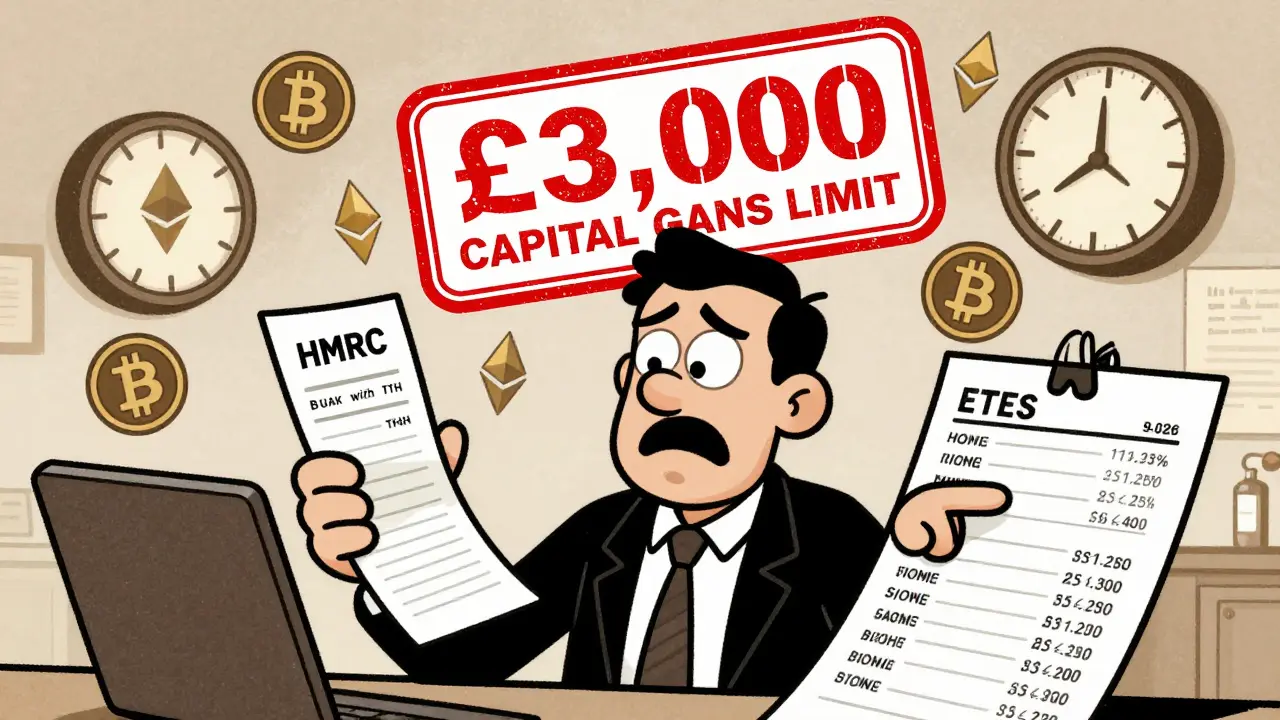
Crypto Taxation in UK: Capital Gains and Income Tax Rules 2026
Caius Merrow Mar, 1 2026 0UK crypto tax rules changed in 2025: capital gains allowance dropped to £3,000, rates rose to 18%-24%, and all trades now trigger tax. Learn how income from staking, mining, and swaps are taxed - and what you must track.
More Detail
TradeOgre Shutdown: Canada Seizes $40 Million in Crypto in Biggest Ever Asset Takedown
Caius Merrow Feb, 26 2026 0Canada seized $40 million in crypto from TradeOgre, shutting down one of the most notorious anonymous exchanges. This landmark case shows regulators can track and dismantle unlicensed crypto platforms - no matter how hidden.
More Detail
Best Crypto Tax Software and Tools for 2026
Caius Merrow Feb, 24 2026 0Crypto tax software automates complex crypto tax reporting, saving hours and reducing audit risk. In 2026, CoinLedger and Koinly lead the market for U.S. and international users, with AI and real-time tracking transforming compliance.
More Detail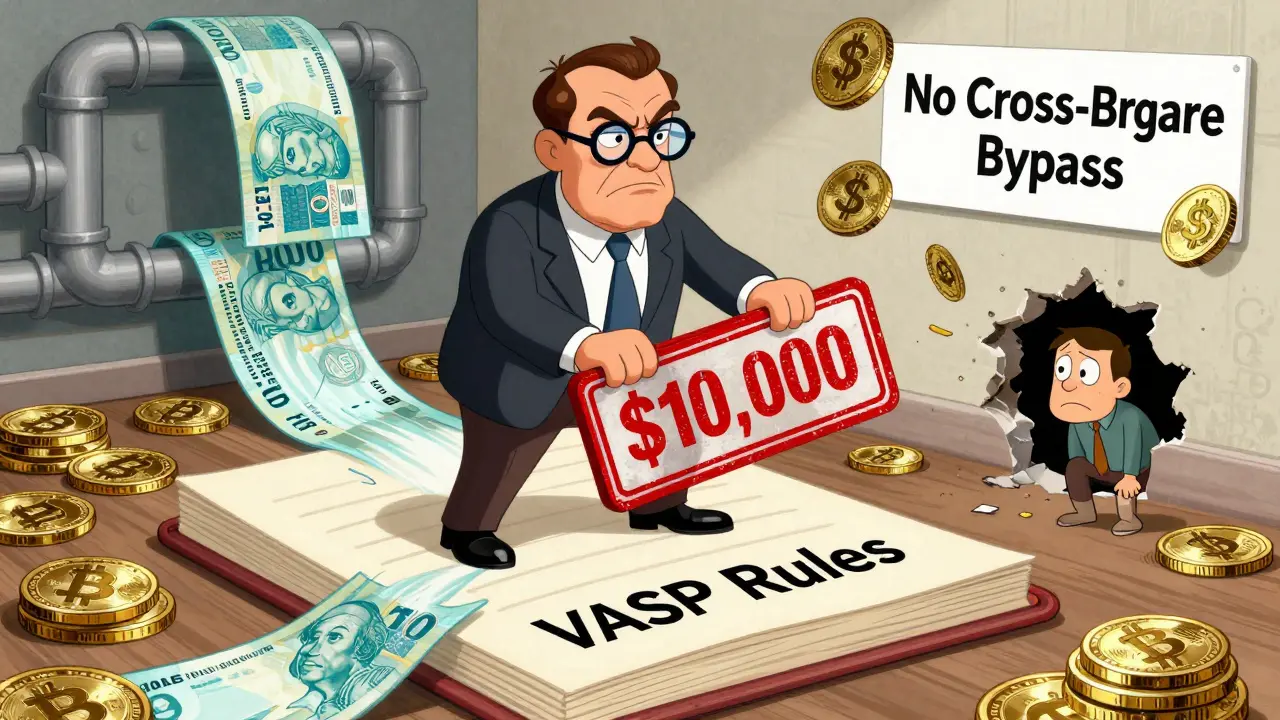
Crypto Exchange Licensing in Brazil by Central Bank: What You Need to Know in 2026
Caius Merrow Feb, 22 2026 0Brazil's Central Bank now requires all crypto exchanges to register, report every transaction, and enforce a $10,000 per-transfer limit. This isn't a ban - it's a full financial integration. Here's what you need to know in 2026.
More Detail